
Roasting a chicken require specific preparation, specific temperature, and specific timing to ensure that the chicken is cooked correctly. If you roast the chicken for too short of a time, the chicken will not be cooked proper and could pose a health risk. However, if the chicken is roasted for too long, the chicken will be dry.
To avoid this situation, follow the steps to roast a chicken correctly. The first step is to allow the chicken reach room temperature by removing it from the refrigerator 30 minutes prior to roasting the chicken. This will ensure that the chicken cook evenly.
How to Roast a Chicken
Additionally, make sure to pat the skin of the chicken until it is dry to ensure that the skin becomes crisp when roasted. Place oil or butter into the skin of the chicken and season the chicken with salt and pepper. Finally, tie the legs of the chicken with twine to ensure even cooking.
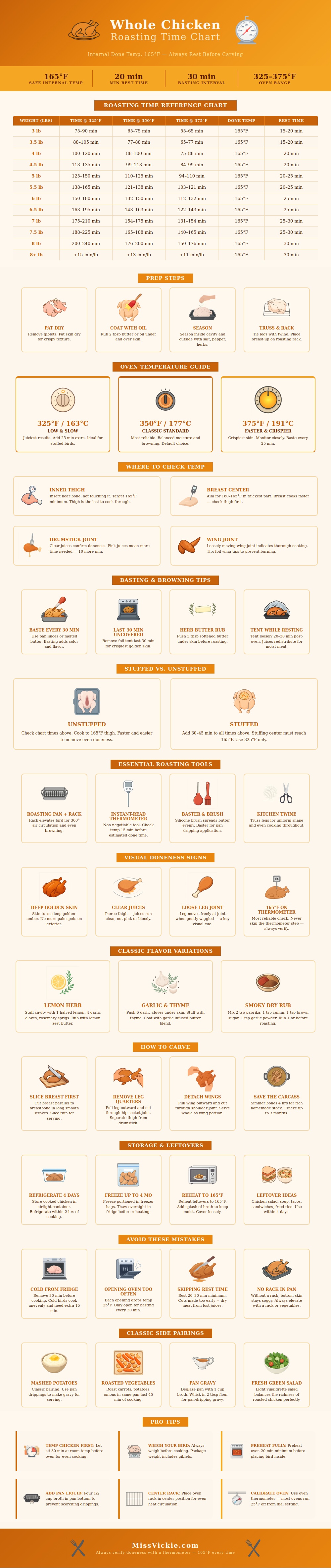
The next step is to decide on the cooking temperature of the chicken. If you set the temperature to 325 degrees Fahrenheit, the chicken will be moist but will take more longer to roast. If you set the temperature to 375 degrees Fahrenheit, the chicken will cook quickly but you should monitor the breast meat to ensure it isnt cooked too much.
Additionally, 350 degrees Fahrenheit is a more middle temperature that is generally used for roasting chicken. The best temperature for roasting a chicken will depend on the weight of the chicken and the desired texture of the roasted chicken. The weight of the chicken will play a role in the cooking time.
A smaller chicken will take less time to roast than a larger chicken. Use a roasting chart that will tell you the cooking time based off the weight of the chicken you are roasting. However, do not use a timer to roast the chicken.
Use an instant read thermometer to check the internal temperature of the chicken. Insert the thermometer into the thickest part of the thigh of the chicken, making sure that the thermometer does not touch the bone of the chicken. The internal temperature should reach 165 degrees Fahrenheit for the chicken to be safe to eat.
At this temperature, the bacteria in the chicken will be destroyed. Another option is to baste the chicken during the roasting process. Baste the chicken by spooning the liquid from the pan into which the chicken was roasted over the skin of the chicken every 30 minute.
This will give the chicken a crispy skin and enhance the flavors of the chicken. If the skin of the chicken begins to brown too quickly, cover the chicken with aluminum foil to prevent burning. Allow the chicken to rest for 20 minutes after removing it from the oven prior to carving the chicken.
During this time, the juices will redistribute throughout the chicken. If you carve the chicken while hot, the juices will escape from the chicken and the chicken will be dry. To roast the chicken correctly, specific tool are required.
A roasting rack is used to lift the chicken above the bottom of the pan in which it will be roasted. This allows the skin of the chickens leg and thighs to become crispy. Additionally, an instant-read thermometer is necessary to ensure that the chicken is cooked to the proper internal temperature.
After roasting the chicken, you can use the carcass to make chicken stock. Simmer the carcass in water to make the stock for soups. Roasted chicken that is left over can be stored in the refrigerator for up to four days or frozen for up to four month.
The same instant-read thermometer can be used to reheat the chicken until the internal temperature reach 165 degrees Fahrenheit. Following these steps will ensure that the chicken you roast is safe to eat, flavorful, and moist.