
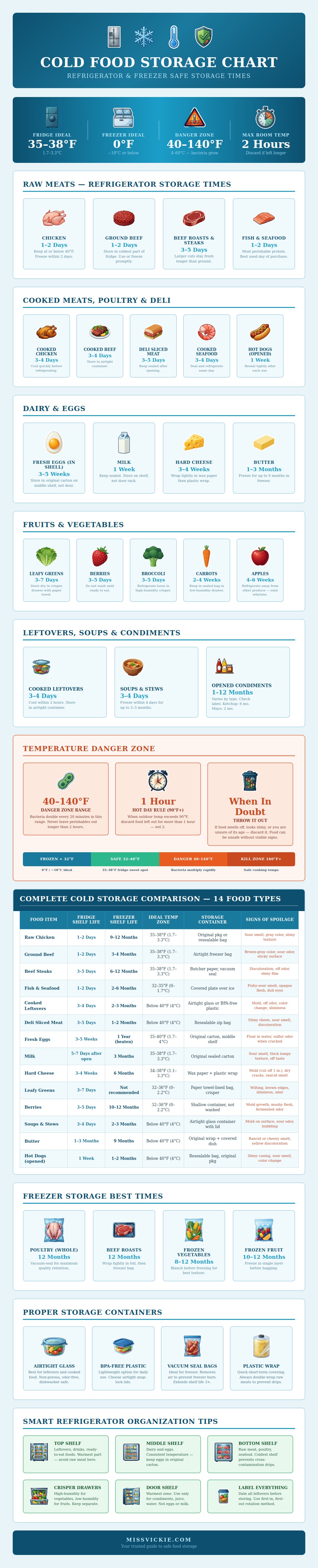
Refrigerators don’t stop time, and they certainly don’t keep things fresh forever: The fridge simply slows down the bacterial clock of multiplying organisms. Because it’s so convenient to pitch leftovers and raw meats into some random spot within its doors we may be tempted to consider the fridge our infinite pantry. But temperature swings within its doors cause noticeable increases in bacterial growth that you might not be able to detect with your nose or even your eyes.
Learning about managing its interior areas make the refrigerator an active device rather than a passive one, one that helps reduce waste while promoting food safety. Ground meat and other raw proteins (like chicken) has extremely brief shelf-lives if refrigerated. Generally you want to cook them, or freeze them, within two days. Why does this matter? Grinding the meat spread surface bacteria across the entire patty. This makes it much more susceptible to bacteria then a whole chunk of flesh, like a steak. A steak can sit safely in the fridge for several days (three to five). The difference is microscopic, yet important for your well-being. Simply because of their physical form, you should treat any ground products with greater immediacy.
How to Keep Your Fridge Safe and Clean
Where things are kept in the fridge also matter. Raw seafood and other meats should always be placed on the bottom shelf because it’s the coolest spot (so you don’t accidentally drip anything onto ready-to-eat food sitting higher up). Eggs and other dairy items does best on the middle shelves, which is consistently cool. The door should only hold condiments since this area is the warmest part of fridge because it opens and closes all day long.
The most common error: people keep eggs and milk in the door, where temperature fluctuations occurs from frequent opening and closing. Bad idea (it will go bad faster)!
The “danger zone” for bacteria growth, when food should not be left at room temperature during preparation or after serving, is between 40 and 140 degrees Fahrenheit. In this temperature range, the number of bacteria double in as little as twenty minutes. At this rate, a harmless meal becomes potentially hazardous before you know it. If it’s over 90 degrees outside, your food’s safety window shrink to just one hour; if you’re dining al fresco in warmer months, it might not make it at all. Play it safe: The cost of ruining a dish pales in comparison to the price of contracting food poisoning.
When it comes to storage timing, leftovers can take the short end of the stick. After cooking something up hot, you need to hurry up and seal it in its container to prevent bacteria growth. But letting it sit out overnight on countertop is a no-go. To keep leftovers fresh (for three to four days), transfer cooked dishes into shallow, airtight containers that will help them chill evenly. Bonus points if your containers are glass. They don’t stain or hold odors over time and you can see exactly what’s inside. This makes it easier to use older food before new food expires.
The freezer doesn’t halt the breakdown process completely, but it does extend life quite a bit. Food stored at zero degrees Fahrenheit lasts forever…but its flavor and texture eventually will deteriorate. To extend shelf life: Vacuum-pack raw meats like beef roasts and poultry safely (to avoid freezer burn), and they’ll retain their quality for as long as a year in the freezer.
Prepare fruits and vegetables right by blanching them first. Seal them with minimal air to keep those icky ice crystals off the surface and keep the cells intact. This way, they typically lasts about a year.
It’s not really about remembering each specific number, but rather creating a habit of being aware and managing that cold storage. Take half a minute to label items with dates; it’ll save you hours of wondering down the road. If there’s anything questionable that looks or smells funny, trust your nose (and eyes) and don’t risk it. Toss if in doubt, it’s best you should of played it safe. A tidy fridge minimizes food waste, ensures that the whole family stays healthy and can help bring some hint of order to an otherwise chaotic world of home cooking.
What goes into your belly shouldn’t be treated any different than what goes onto it. Actualy, you should also watch for any luxuruis or moddern looking items that might have expired too. It is hard to recieve fresh food if the fridge is messy.