
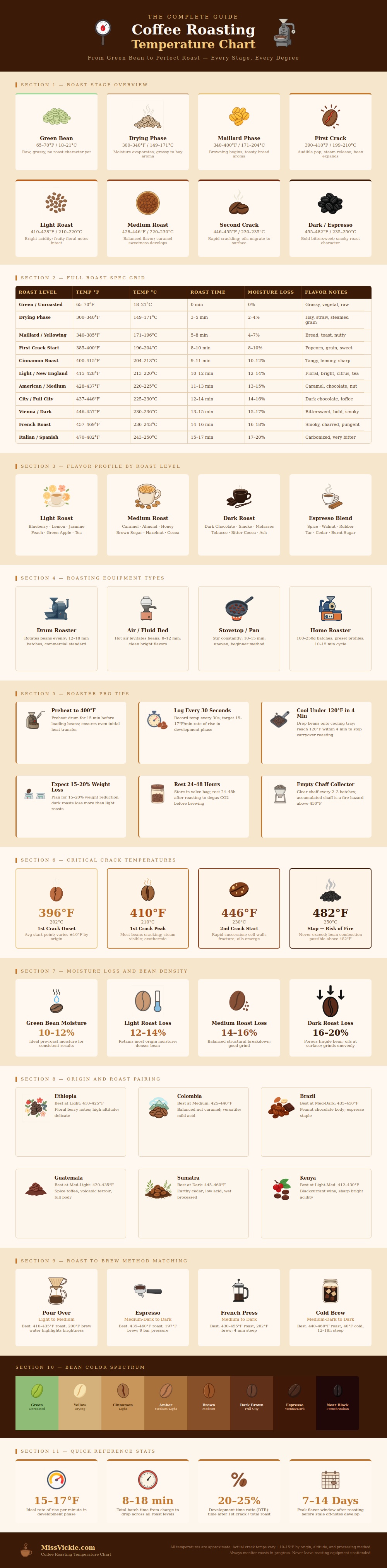
Coffee roasting are the application of heat to green coffee beans to alter there flavor and physical properties. The temperature during the roasting process is crucial in determining the flavor of the coffee bean, as it determines when the acid in the coffee beans will change and when the sugars will caramelize. If the coffee beans is roasted to develop specific flavor, the roaster must manage the temperature of the coffee beans correctly.
However, if the coffee bean roaster manage the roasting temperature incorrectly, the coffee beans will have a bitter flavor. The coffee roasting process begin with a drying phase of the coffee beans. During this phase, heat are applied to the green coffee beans to remove the moisture from the coffee beans.
How Coffee Beans Are Roasted
This phase must occur slowly, as applying heat too quickly will evaporate the moisture from the coffee beans too quick, which will scorch the coffee beans. After this phase, the coffee beans will enter the Maillard phase. During the Maillard phase, the green coffee beans will react to the heat, leading to the coffee beans change color to yellow and acquiring an aroma of toasted coffee bean.
The first crack in coffee beans occur due to the steam that is released from the coffee beans during the roasting process. The first crack is a sign that the light roast phase of coffee beans has end, and the coffee beans have entered the development stage of the brewing process. If the roaster removes the coffee beans from the roaster after the first crack, the roaster will produce a light roast.
If the coffee beans are roasted beyond the first crack, into the medium roast range, the coffee beans will contain flavors of caramel and a balanced taste. If the coffee beans are roasted to the point of the second crack, dark roast coffee beans will be produced. The second crack is recognized by a sharp sound that the coffee beans make and the appearance of oil on the coffee beans surface.
The roast level that is applied to coffee beans will impact the origin flavor of the coffee beans. Coffee beans from Ethiopia will retain their floral and berry flavor if roasted to a light roast level. Coffee beans from Colombia will taste best when roasted to a medium roast level to allow their nutty and caramel flavor to be express.
Finally, coffee beans from Sumatra will taste best when roasted to a dark roast level to allow their earthy flavor to emerge. Therefore, the flavor of the coffee beans’ origin will be lost if a roast level dont match the origin of the coffee beans. Several pieces of equipment can roast coffee beans.
Drum roasters can roast coffee beans for twelve to eighteen minutes and are used for roasting coffee beans because the roasting process is consistent. Air roasters roast the coffee beans with hot air and take eighteen to twelve minutes to roast the coffee beans. Air roasters allow the coffee beans to have bright flavors.
For home roasting, countertop machine and skillets can be used to roast coffee beans. However, constant stirring is require for coffee beans roasted at home to ensure the coffee beans do not burn. In any roasting equipment, preheat the coffee beans to 400 degrees Fahrenheit to properly roast the coffee beans.
The roast level of the coffee beans will change the physical properties of the coffee beans. Coffee beans that are roasted to a dark roast will lose ten to twenty percent of their original weight due to the moisture that leave the coffee beans during the roasting process. Coffee beans that are light roasts will remain dense in their physical form.
The density of the coffee beans allow for coffee beans to be ground evenly during the milling process. Coffee beans that are darkly roasted will become porous and oily in their physical form, allowing them to be ground to a coarse grind. In order to produce high-quality coffee beans, certain procedure must accompany the brewing process.
After roasting the coffee beans, the roaster must quickly cool the coffee beans to below 120 degrees Fahrenheit within four minutes. This rapid cooling of coffee beans will stop the carryover cooking process in the brewing of coffee. Furthermore, after roasting the coffee beans, the coffee beans should rest for twenty-four to forty-eight hours to allow the carbon dioxide to escape the coffee beans.
If the carbon dioxide does not escape the coffee beans, the brewed coffee will foam excessive. Finally, during the brewing process, chaff collector must be emptied regularly since the chaff can ignite if the temperature of the coffee beans reach 450 degrees Fahrenheit.