
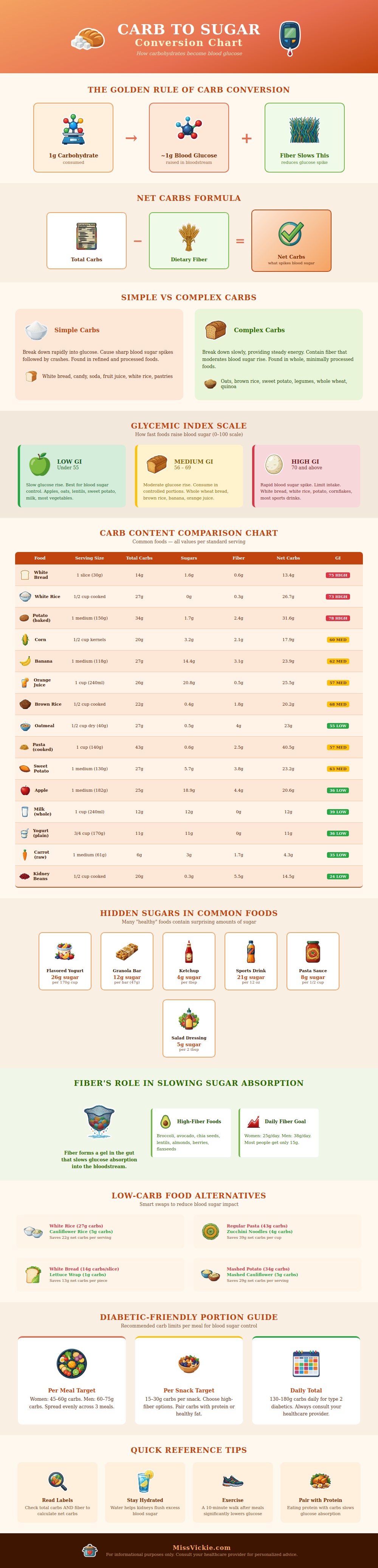
When you consume carbohydrates, your body has to convert those carbohydrates into glucose that will be used as fuel for your bodys functions. Enzymes in the body breaks down the carbohydrates that you consume into simple sugars. These simple sugars enter your bloodstream and raise the glucose level in your blood.
The rate at which your blood glucose levels rise is dependent on two factors: the type of carbohydrate that you consume and the amount of fiber that are contained within the carbohydrate. The level of refinement of the carbohydrate also plays a role in the rate at which carbohydrates is converted into glucose in your blood. The relationship between carbohydrates and glucose levels in the blood is direct.
How Carbs and Fiber Change Your Blood Sugar
For every gram of carbohydrate that you consume, your blood glucose levels will rise by roughly one gram of glucose. For this reason, people who wish to manage their blood glucose levels needs to pay attention to the amount of carbohydrate that they consume. Fiber plays a role in the way that carbohydrates impact blood glucose levels.
The fiber contained in some food slows the absorption of carbohydrates into the bloodstream. For instance, because apples contain fiber, the fiber creates a physical mesh within your digestive system that slows the absorption of the carbohydrates contained in the apple. For this reason, eating an apple will result in a gentler rise in blood glucose levels than if you consumed a glass of fruit juice, even if the carbohydrates in both foods are the same.
The net carbohydrate in a food product can help you understand the impact that the carbohydrates have on your blood glucose levels in the near term. You calculate net carbohydrates by subtracting the fiber content in a food product from the total carbohydrate content of that food. The net carbohydrates indicates the amount of carbohydrate that can be broken down into glucose in your blood.
Foods that contain high amounts of fiber will have a buffering effect on your blood glucose levels. Refined carbohydrates contains little fiber, and thus do not provide such a buffer for blood glucose levels. Carbohydrates can be classified as simple or complex carbohydrates.
Simple carbohydrates tend to break down almost immediate in the body. Consuming beverages like soda, which contain simple carbohydrates, can result in glucose levels rising quickly and then dropping just as quick. Complex carbohydrates are not broken down as quickly as simple carbohydrates.
Complex carbohydrates contains fiber and other compounds that slow the rate at which glucose enters the bloodstream. Because of this, complex carbohydrates lead to steadier blood glucose levels than simple carbohydrates. Instead of consuming simple carbohydrates, choosing complex carbohydrates can help maintain blood glucose levels and leave you feeling satisfied after eating.
The glycemic index is a scale that indicates the effect that various foods have upon the glucose levels in your blood. Foods with a low glycemic index will result in the absorption of carbohydrates and the subsequent changes in blood glucose levels to be slow. Foods with a higher glycemic index will result in the rapid conversion of carbohydrates to glucose.
The rapid conversion of carbohydrates to glucose can be problematic for the body due to the way in which such a rapid influx of glucose can overwhelm the body’s regulatory system. Foods like white bread and a medium banana have similar amounts of carbohydrate, but the glycemic index for these foods will differ due to the fact that the carbohydrate in white bread converts to glucose more quickly than the carbohydrate in a medium banana. Many foods contain hidden sugar.
Foods that may be healthier than others may contain significantly more added sugars, which contribute to the carbohydrate content of the diet. Such added sugars may be present in foods like flavored yogurt and pasta sauce. To determine if a food product contains added sugars, you must read the nutrition label for that food.
Reading the nutrition label is the only way to know for certain the carbohydrate content of a food product. Fiber is a nutrient that can provide many benefits to the body. Most individuals dont consume enough fiber in their diets, but there are many foods that can be incorporated into the diet that will increase the amount of fiber that is consume.
Increasing the fiber content of the diet can benefit the blood glucose response of the body, as well as the digestive and satiety health of the individual. There are various changes that can be made to the diets of individuals to reduce the amount of carbohydrates that are consumed. For instance, you can replace white rice with cauliflower rice, and you can replace regular pasta with spiralized vegetable.
In addition to the changes to the type of food that is consumed, the way in which those foods are consumed can also impact the bodys processes of carbohydrates. For instance, you can manage carbohydrate intake by taking meals at regular intervals throughout the day instead of consuming all of the carbohydrates at once. Additionally, consuming carbohydrates with protein or fat will slow the absorption of the carbohydrates.
For instance, eating a piece of fruit with a handful of nuts will result in a different blood glucose response than if the individual consume only the fruit containing the carbohydrate. Finally, other changes that can be made to the bodys response to carbohydrates include increasing the hydration of the body, as well as increasing the amount of movement of the body after meals.