
A rice cooker is typicaly considered a one-trick pony, until now. Instead of just boiling your grains, what about steaming some veggie?
Boiled veggies tend to get overcooked and turn to mush; broccoli are a great vegetable to test the steam-cooking method, since it’s quick-cooking and holds together well when cook by steam.
The Steaming Process Details
First things first: Cut up your broccoli. You want small, bite-size pieces of broccoli. If they is too large, they won’t cook evenly in such a short amount of time.
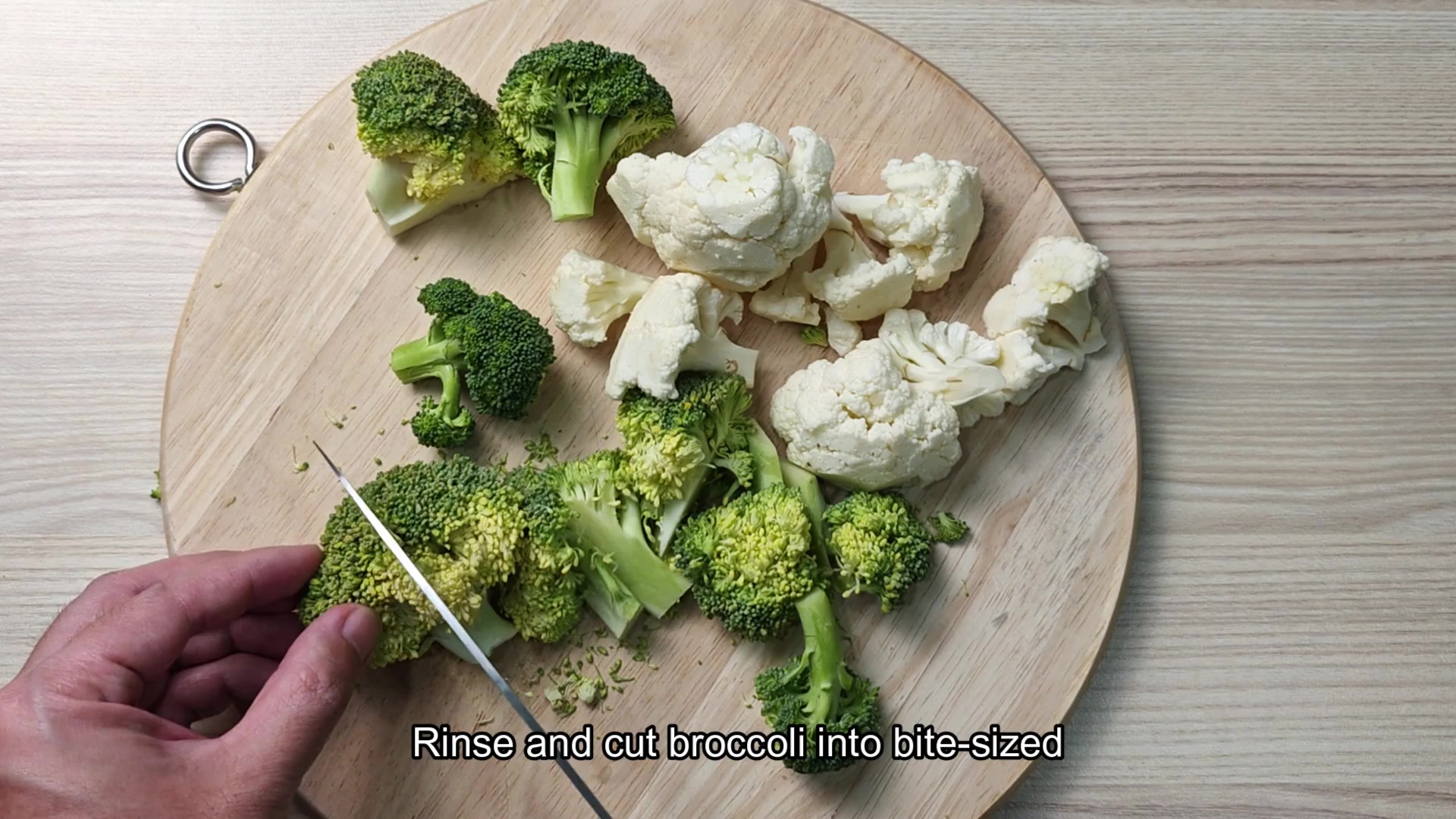
If they’re too big, you won’t get even cooking and you might end up overcooking the stem. A few minutes of cutting things up right on your wooden board and you are good to go. The chopped veggies was rinsed (which is always a good practice as you’re about to cook with them) and then shaken dry before placing them in the steaming tray. This fits inside main pot and sits on top of some perforations that keep the food raised up out of the boiling water.
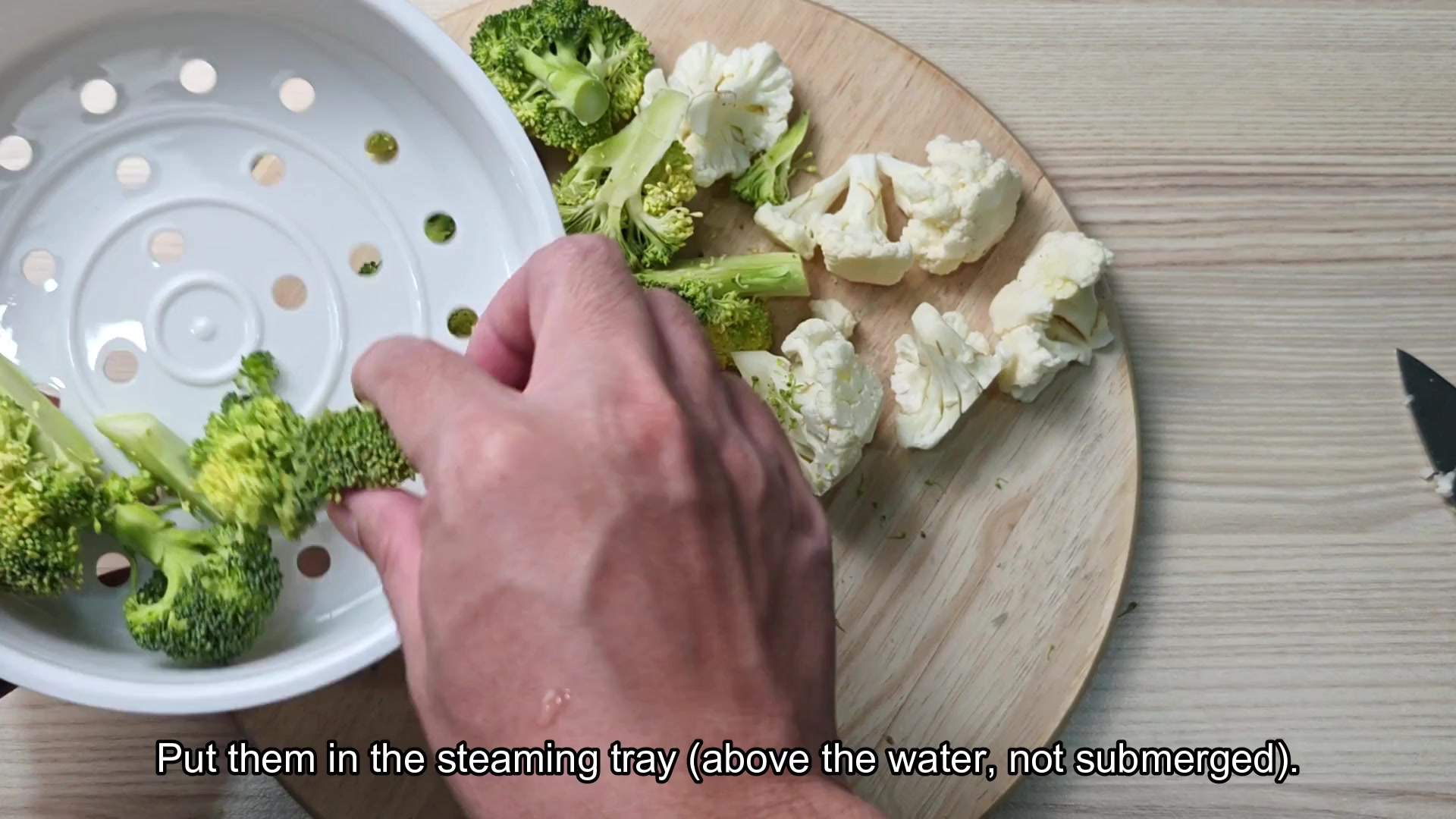
“Where things are placed makes a difference. You want your broccoli separated in the tray with space between the pieces. If one piece touches another that is touching the water, it will boil instead of steam.
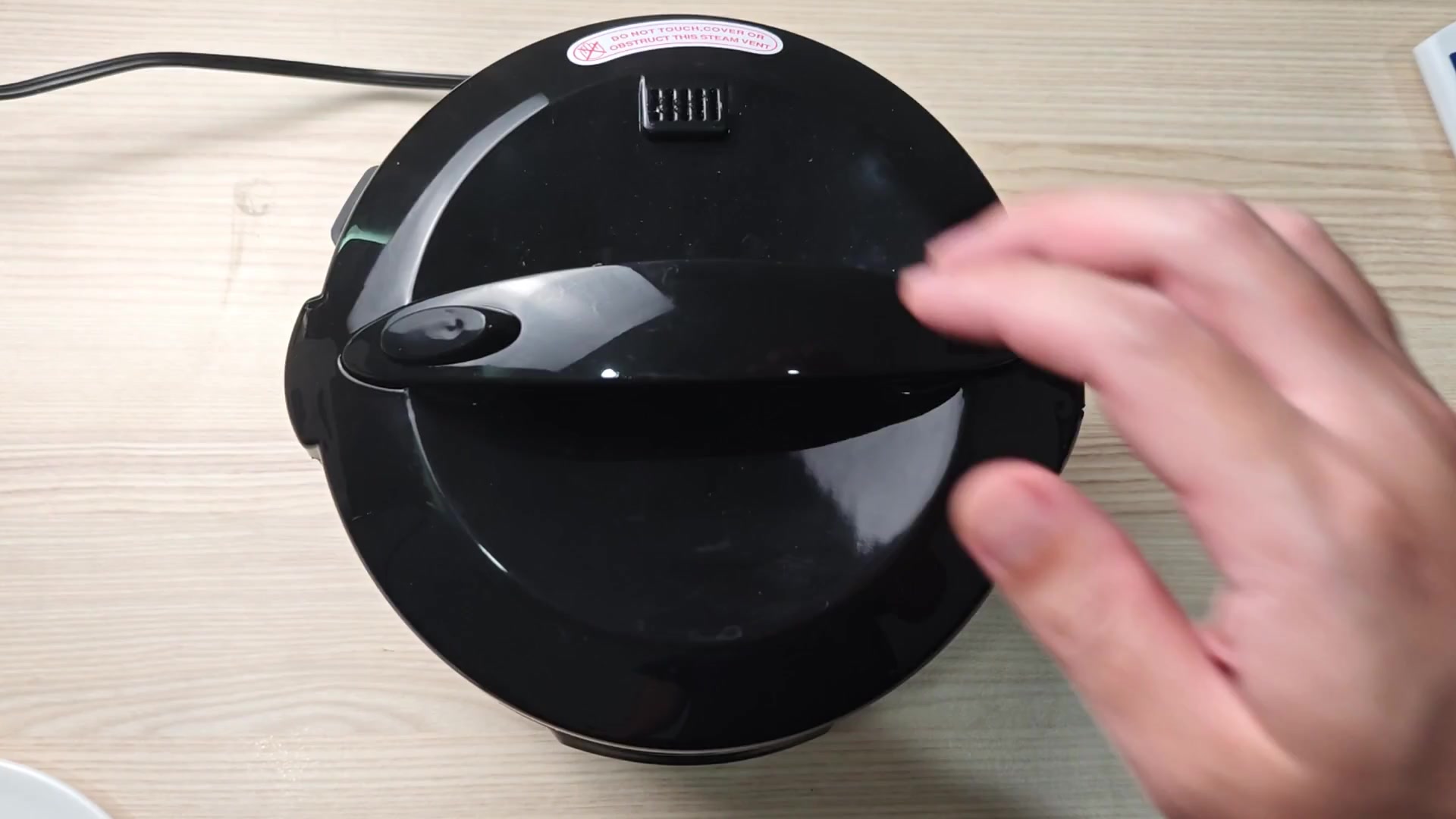
You can see how condensation forms on the underside of the lid as they cooks.
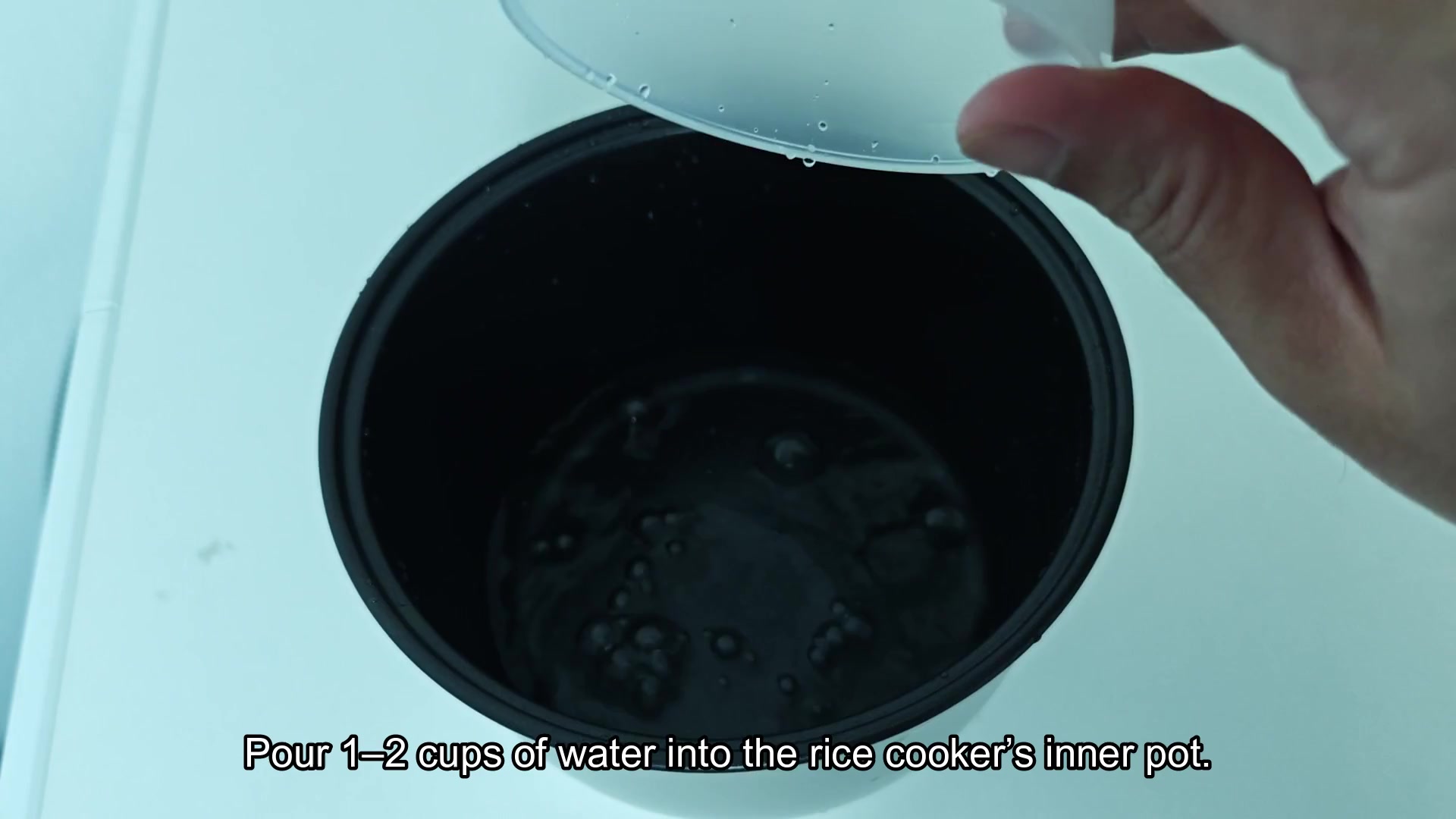
The key here, about water, was water level. If there isn’t enough in there, the pot will dry out during cooking and the timer won’t expire; if you put in too much water it’ll splash over into your veggies.
I used approximately one to two cups of water in the inner pot. That generate enough steam throughout the cooking time. This is a Steam function.
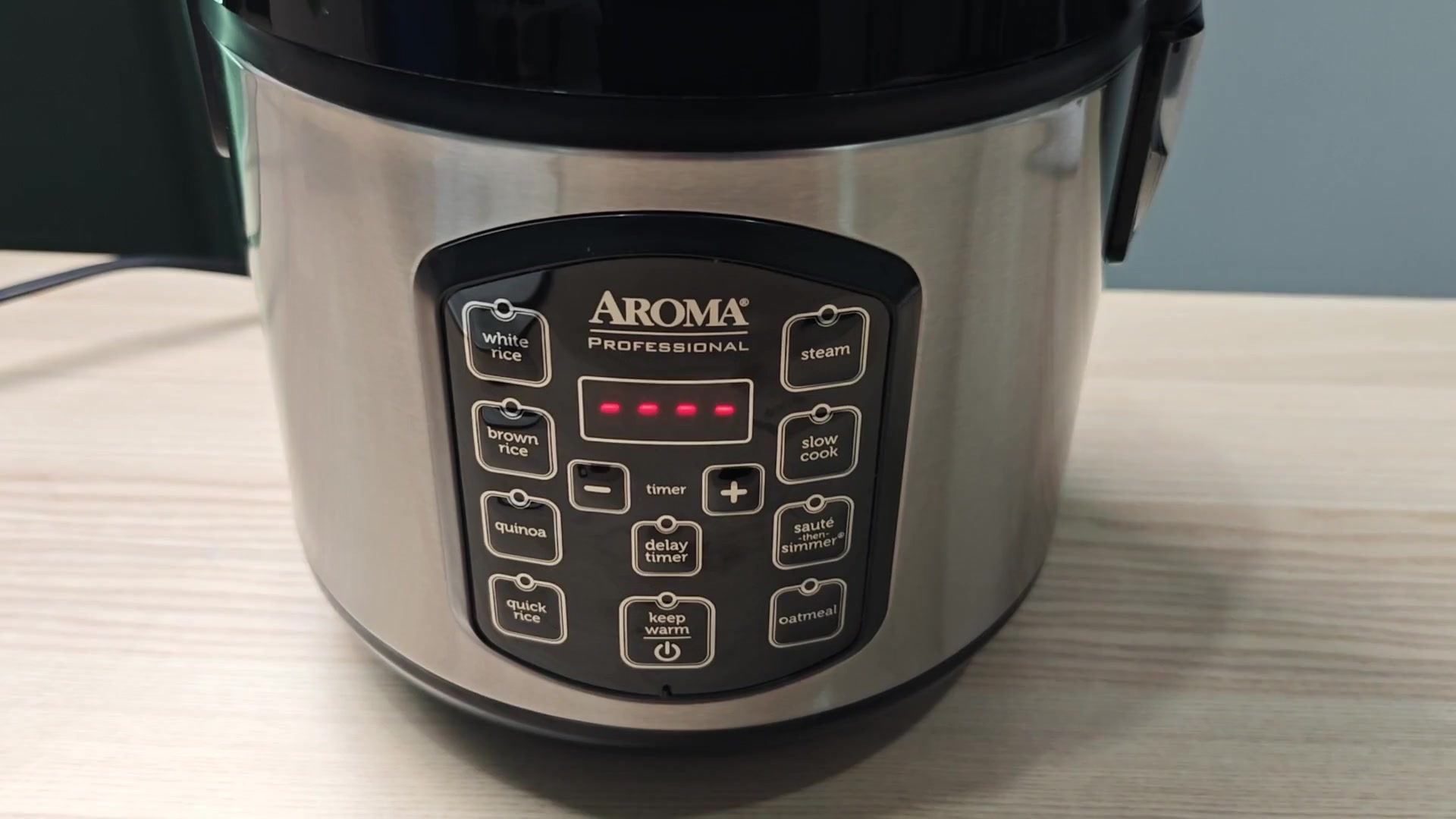
Only the Aroma Professional rice cooker had this feature. When you chose the steamer function, the control panel button lit up red. After pressing start, the timer would set itself in a familiar way.
How long? Ten minutes felt too little time for all those starchy but sturdy stalks. Too bad; five it is. After setting the timer for however long you wanted, you hit the button to begin the cycle. From that moment, the timer started counting down, and then…that’s about it.
You have zero work to do at this point and can go about your business as the machine does all of the heavy lifting. It’s also quite quiet; much more quiet than heating water on the stove. It’s passive cooking: steam wafts upward, surrounds the vegetables in the tray, and you know that it’s gently bubbling underneath thanks to the sound of the water. Close the lid to keep the heat in. Time whizzes by; ten minutes fly as you do other things around the kitchen, like preparing side dishes.
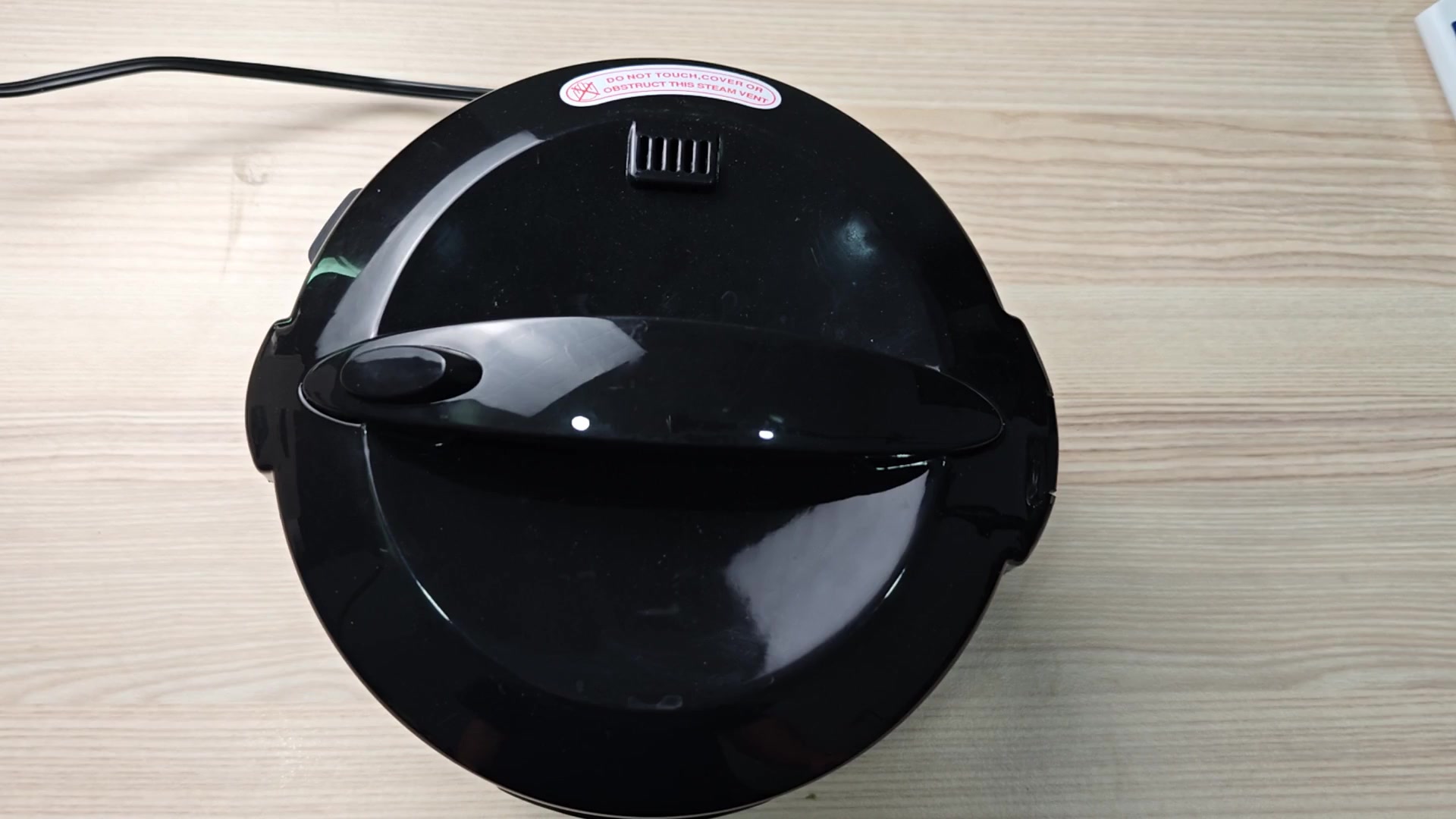
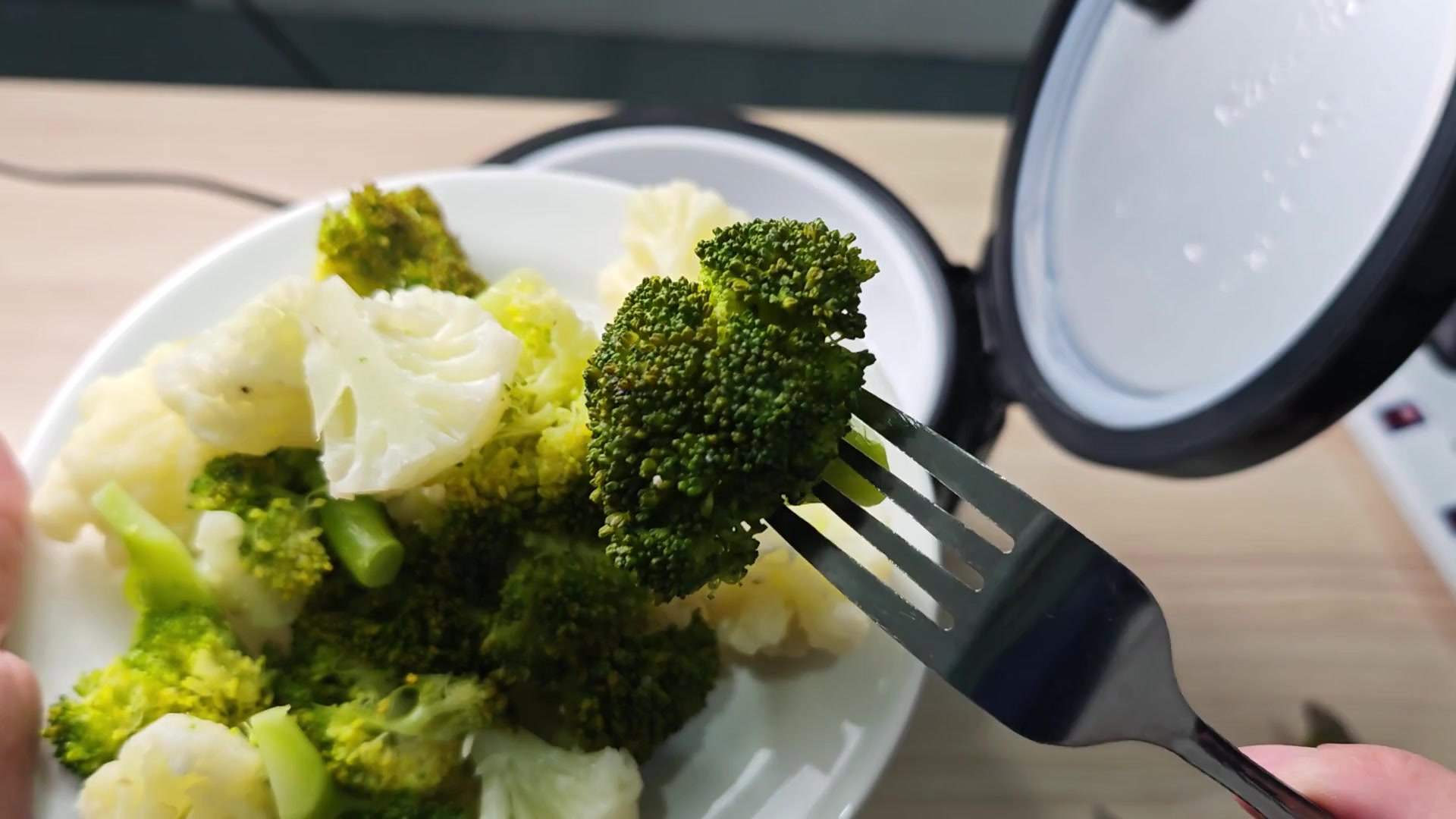
And then when time was up, you opened the lid. Instantly there was condensation dripping down from underneath.
And the broccoli was a vibrant, bright green, so much more colorful and crunchy than any vegetable that’s been boiled. It had the right combination of being tender but still firm all the way through. It paid off in flavor. No waterlogged taste. No soggy texture. Just pure, natural sweetness and a clean flavor.
Steamed to perfection, it tasted like a fresh snack, not a cooked side dish. Plus, you didn’t have to dirty another pot by steaming it in the rice cooker. There’s no worry of anything drying out or burning either, since an automatic shut-off feature means you don’t have to keep checking on it all the time. That leaves more room in your brain to focus on other things going on in the kitchen.
The end product was always good every time you used it because it makes cooking healthy sides easy without much work at all.
It simplifies meal preparation in general. It makes meal prep easier overall. You can save time by steaming multiple vegetables at once, and cauliflower works just as well in the same setup. You can save time by steaming multiple veggies at a time, and the cauliflower actualy fits right into that mix.
Who knew your trusty rice cooker could do so much? It handles more than just grains; this thing does a lot.
I say that because it works time and time again. It’s a no-fuss recipe, and you’re not going to stop making it after trying this meal. Plus there’s hardly any dishes to wash up. It’s just one pot. That little alteration makes such a huge difference in your meal prep process and is totally worth it.