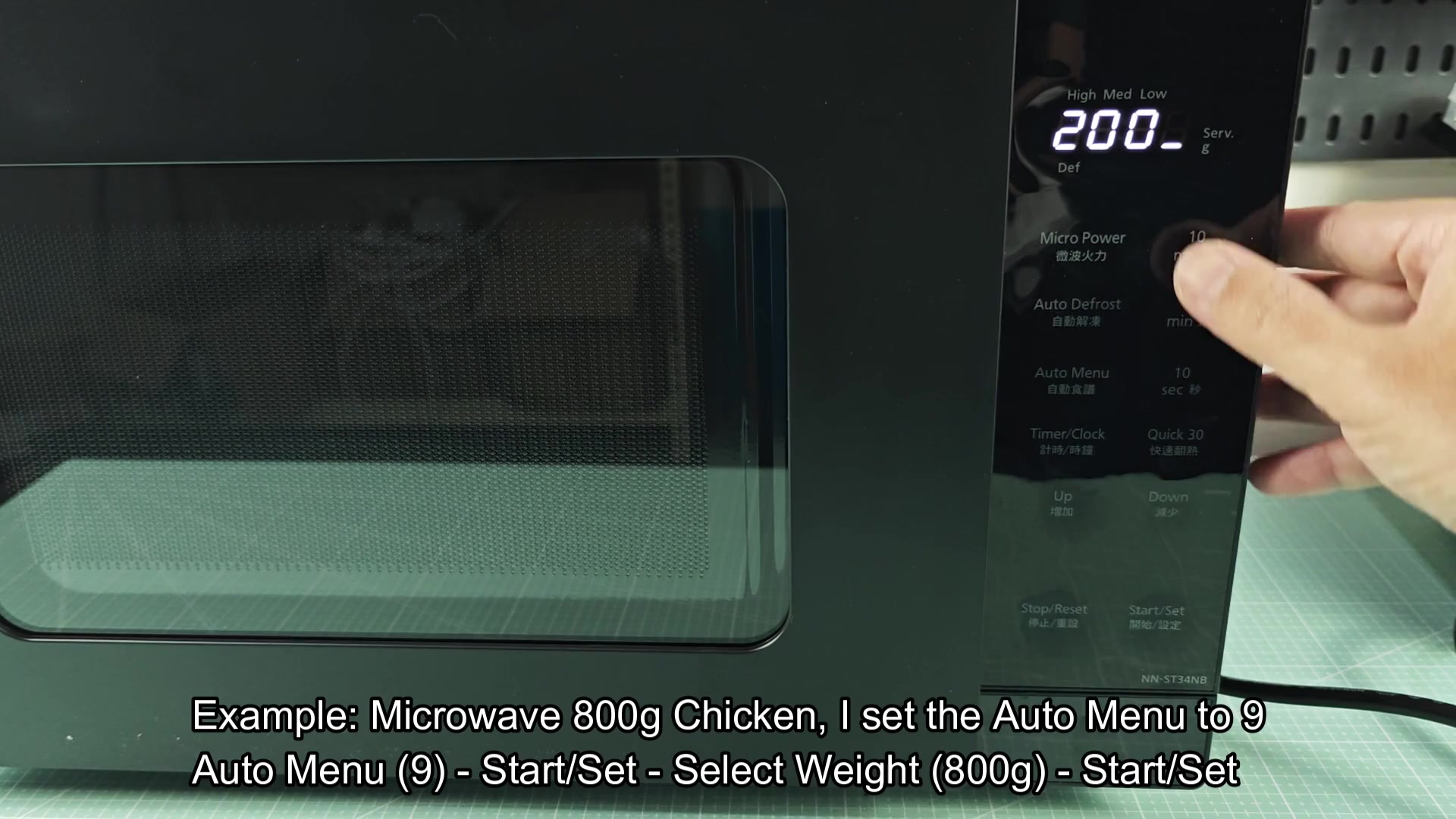
There’s no such thing as random codes on the Panasonic microwave numbers. They all stands for preset cook programs that serve as designated shortcuts.
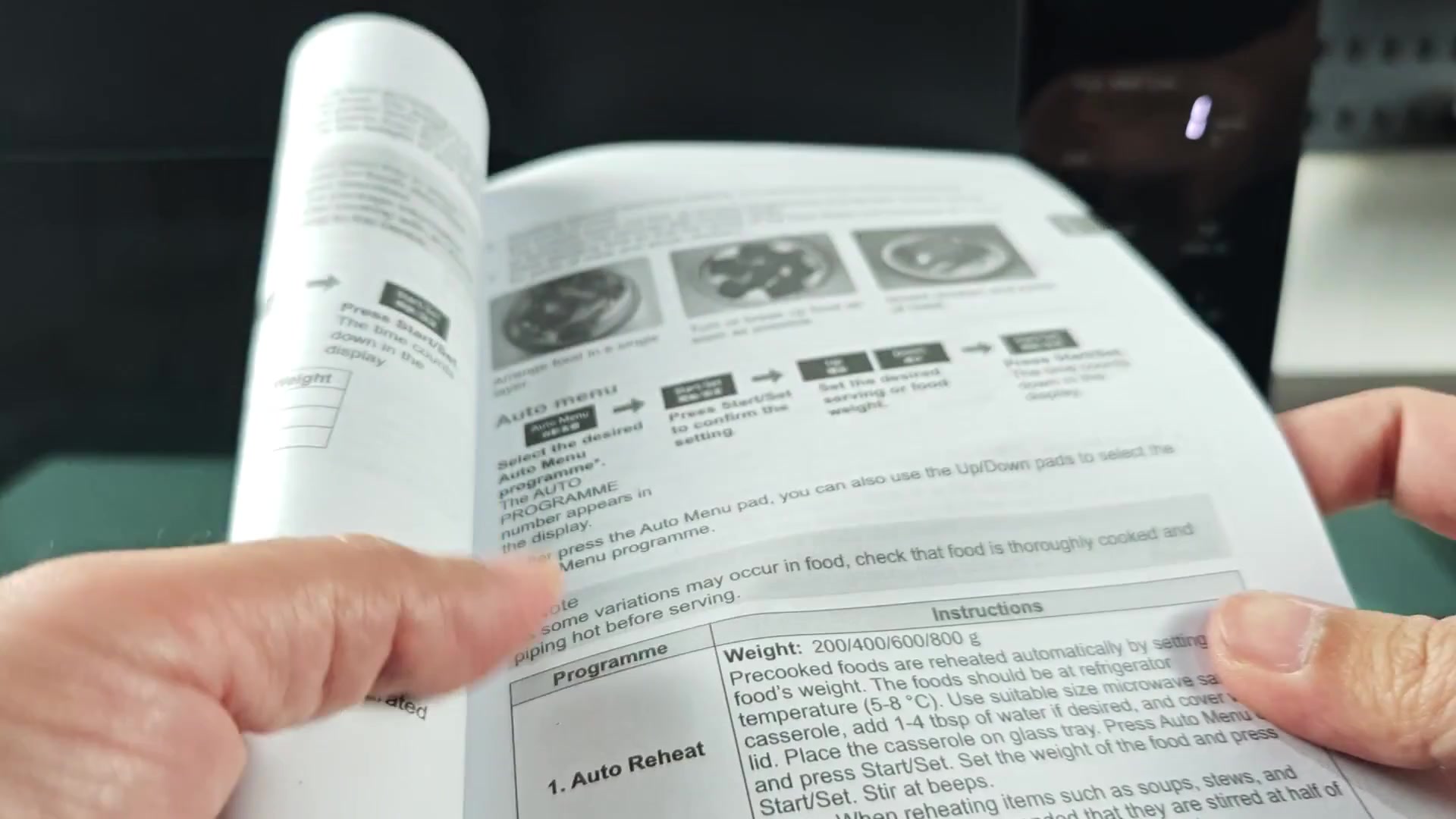
They’re built in short cuts for common things that will help you get better results even if you don’t understand the behind the scenes logic yet. Now that you know exactly what each one does, navigating your kitchen becomes smoother, your kitchen will be running more smoothly already. Auto Reheat is probably what gets used most around the home; it’s certainly the first choice on this list. Hit it and enter weight of your leftovers, that’s all there is to it. The microwave will take care of the rest.
Understanding Weight and Time Calculations
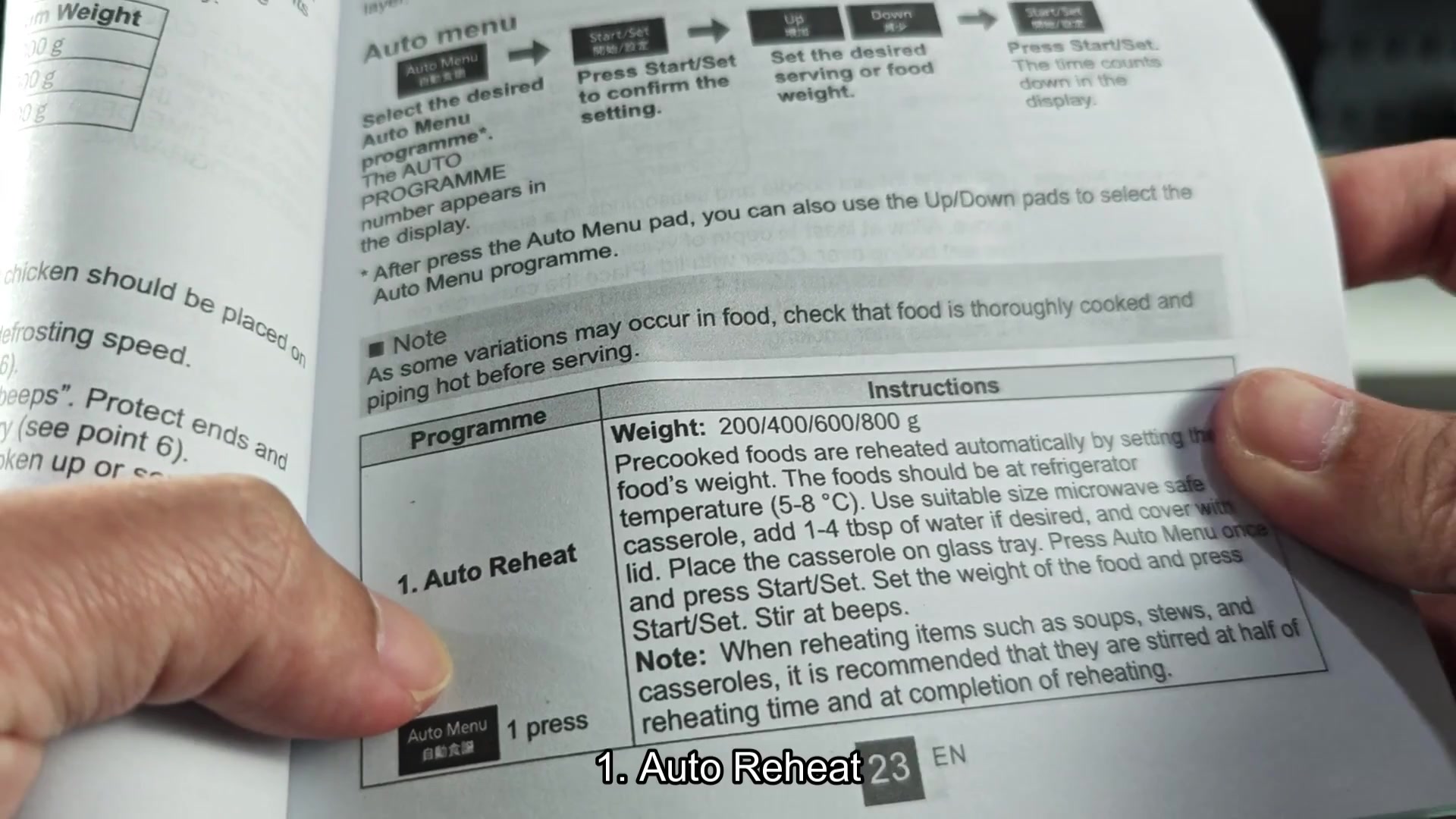
Because it is perfect for both bowls and regular plate, you won’t have to worry about drying out your lunchtime meal again. Use this to reheat fried rice if it is heavy and greasy and does not work well on regular heat settings.
Porridge is ranked third according to the manual. Because it take into account how liquid-heavy meals like thin stews and soups are, you’ll never accidentally burn your congee again. The machine will adjust based off moisture levels for a better texture. Number four takes care of all those instant noodle package, they’re given their own section.
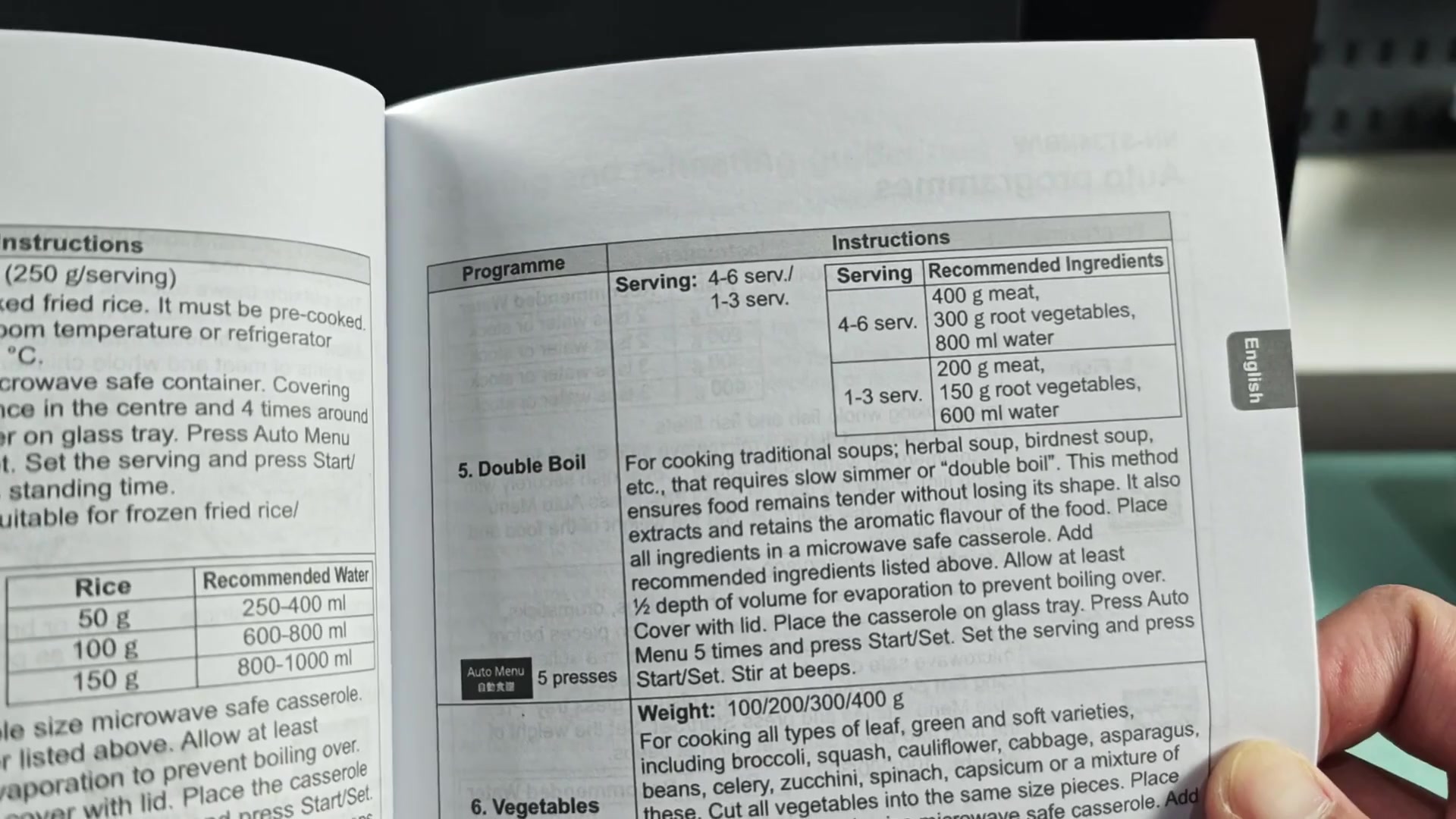
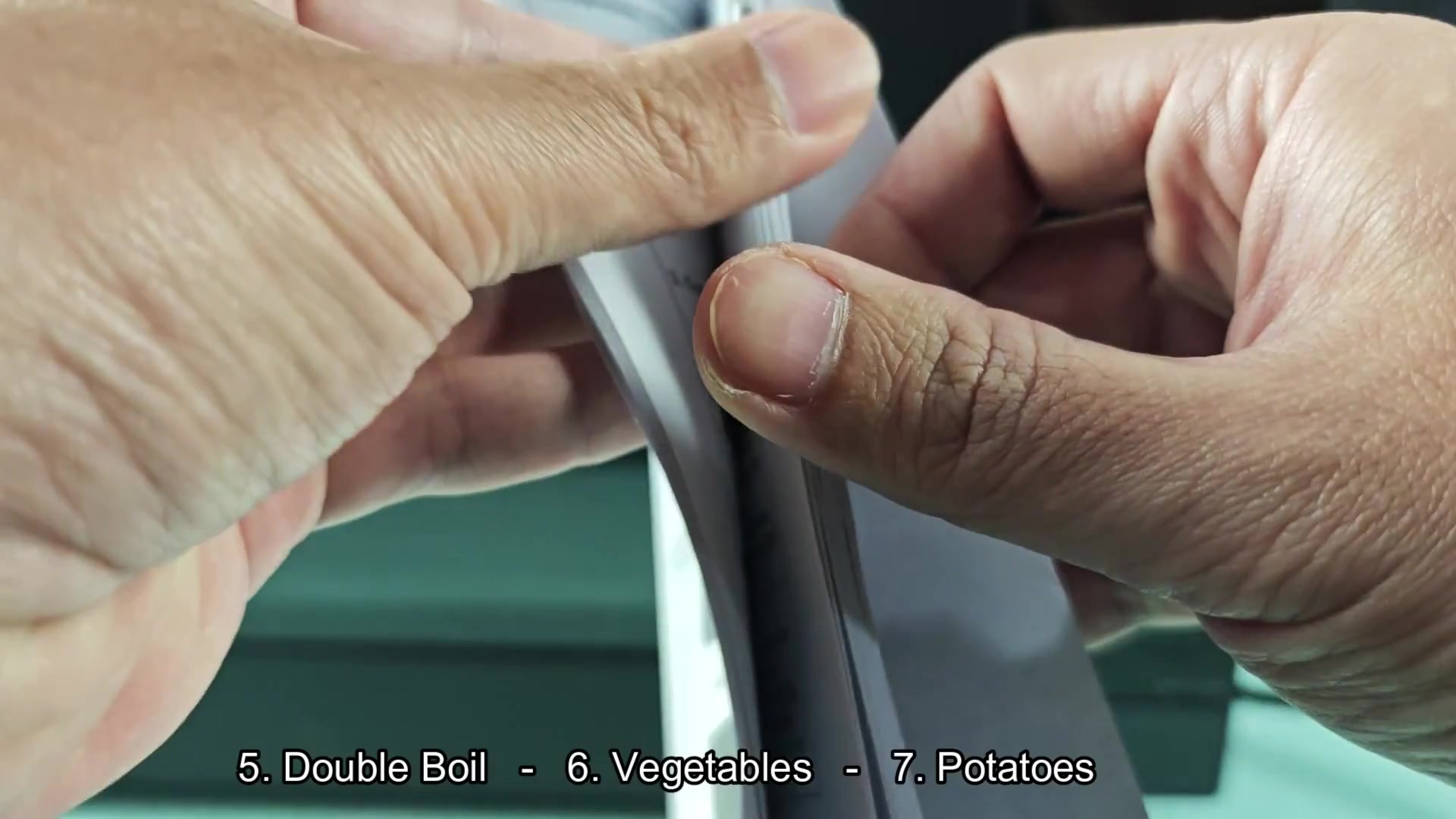
The next method is Double Boil. This is a more gentle form of cooking; it’s ideal if your elders enjoys soft food and don’t want something aggressively nuked, yet still need it cooked enough to retain its moistness. Vegetables and potatoes are nearby. These programs adjust for the fact that they contains a lot of water and have firmer skins. Root vegetables require different timing then leafy greens; the microwave figures out what’s up. Guesswork about how long to cook broccoli is over. Just weigh it and go. Number eight is for seafood. Fish needs a gentle hand because it can absorbs rubbery if overcooked.
The timer counts up from the fillet’s weight but you’ll often want to include some stock or water which will create steam and cook fish thoroughly from all angles. Switching to this setting ensures moist salmon each and every time.
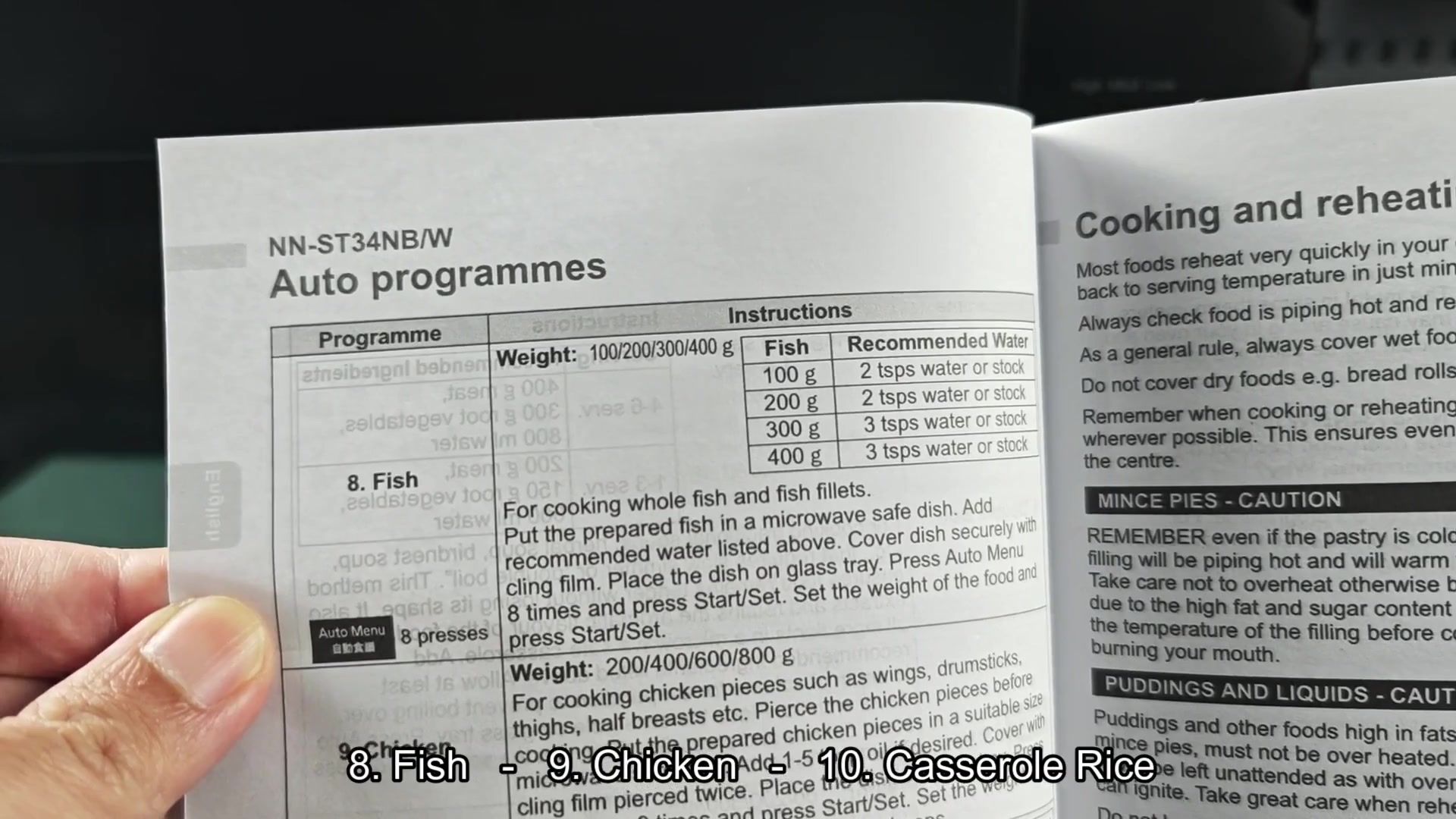
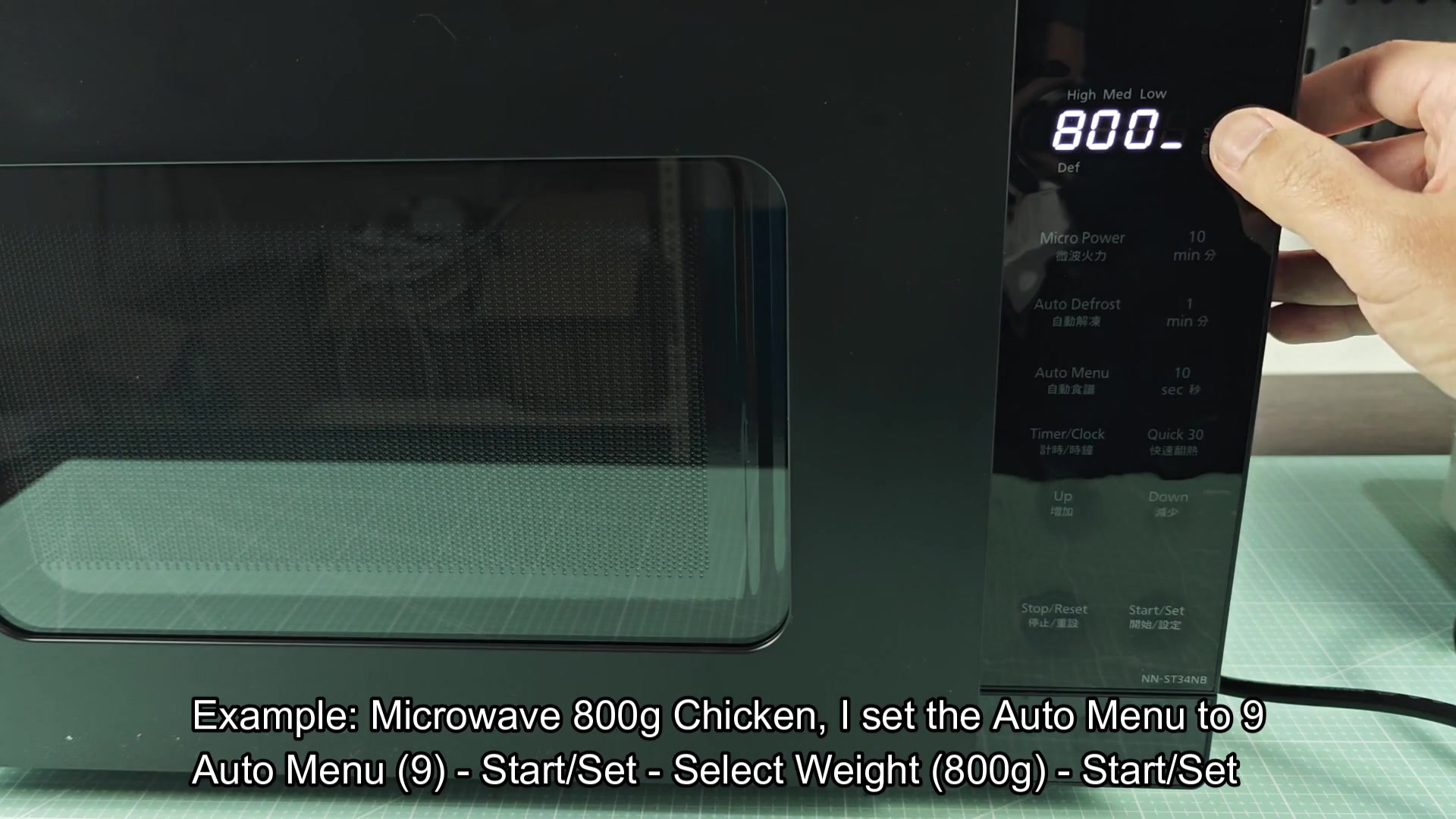
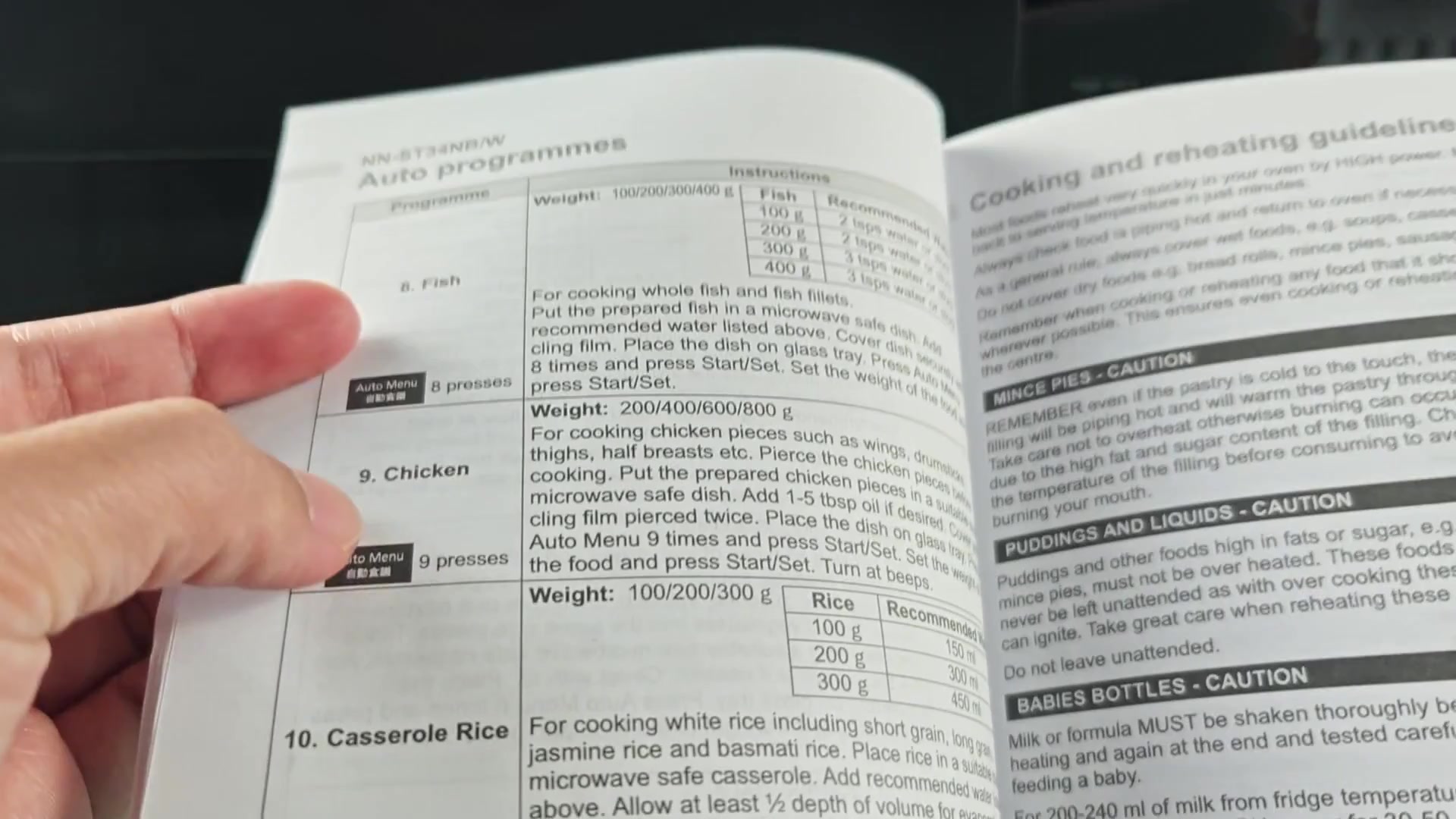
Number nine on our list is chicken, which, let’s face it, is likely how you will be using this most often. Poultry isn’t all the same (breasts vs. Drumsticks), but it compensate based on thickness.
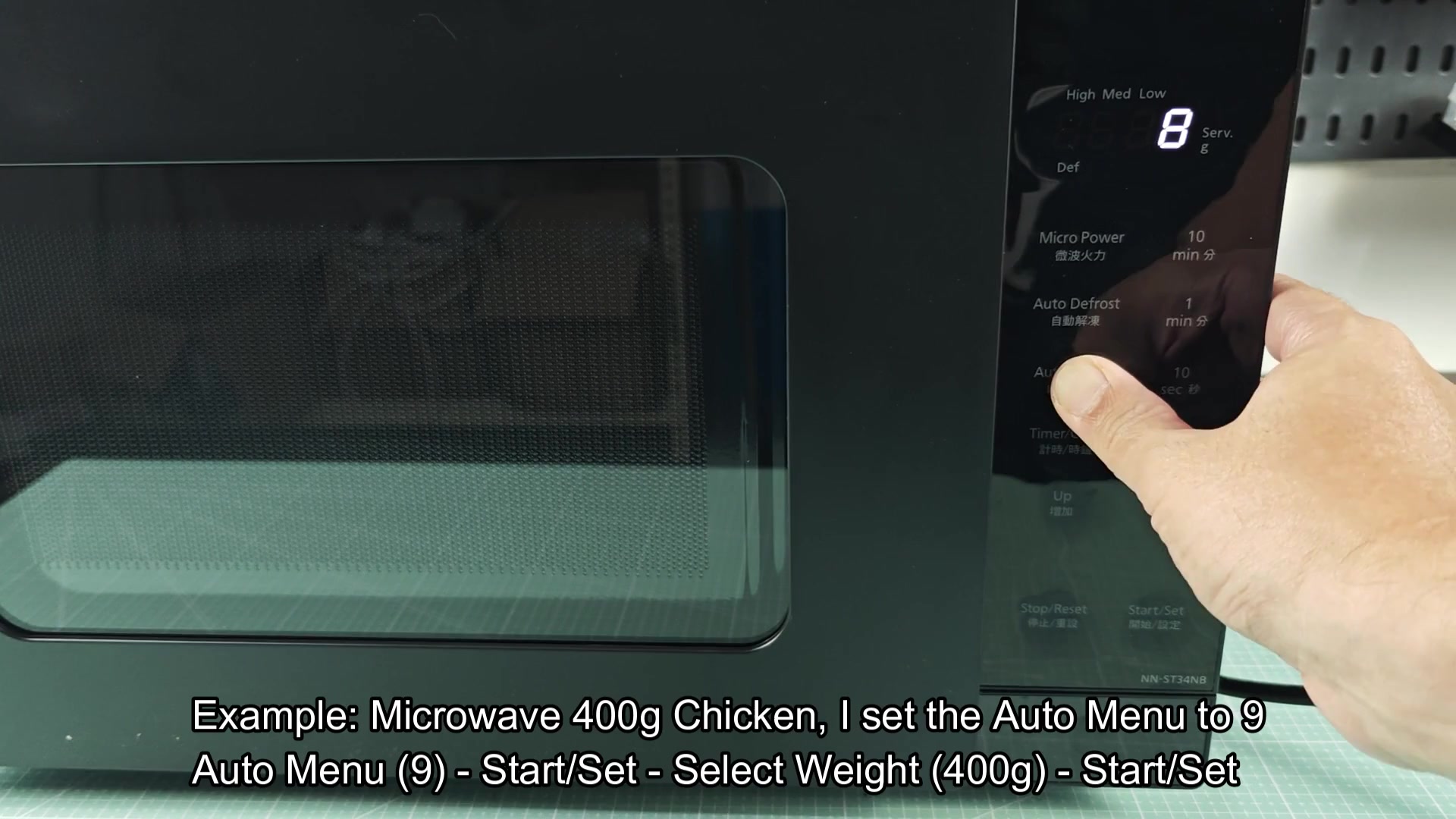
Try it yourself with a thick cut of chicken; you’ll see what I mean versus just eyeballing it. Follow the pre-sets so it does not dry out. So let’s start with number nine for chicken and then you press Start Set and next you enter the weight because the machine also requires that data. You could put in four hundred grams and in our test case that’s what it would of been and then the machine inputs that information into its internal algorithm. Sure enough, the screen displays a clear “9”, meaning your program choice is locked. Next, you’re prompted to enter the weight.
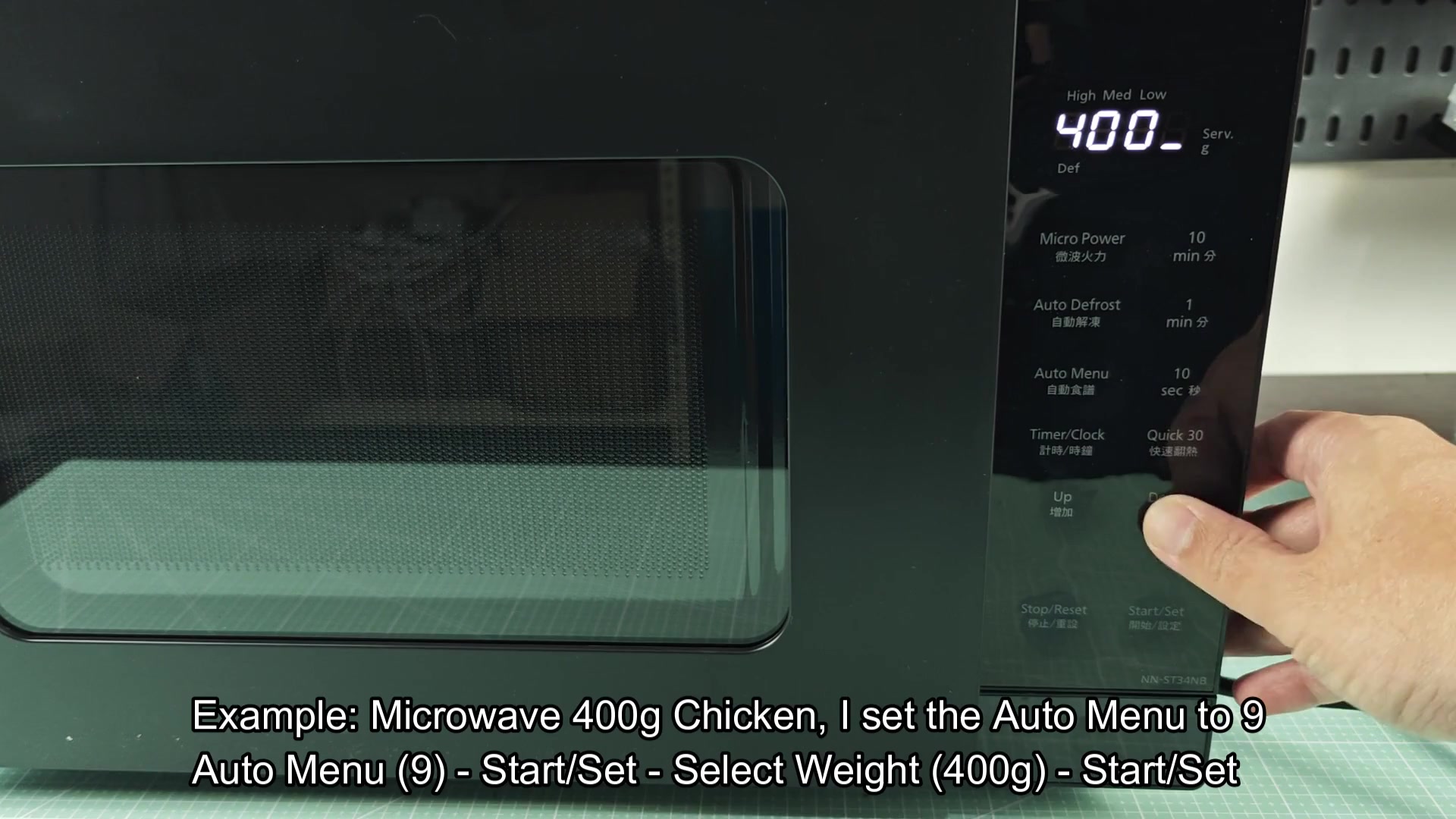
Getting your timing right is critical. Failing to do so will result in defaults that will cause your results to be incorrect. Make sure you get this one right. Enter four hundred grams into keypad and it knows right away. The computer doesn’t take much time to calculate, the math is straightforward, yet it works.
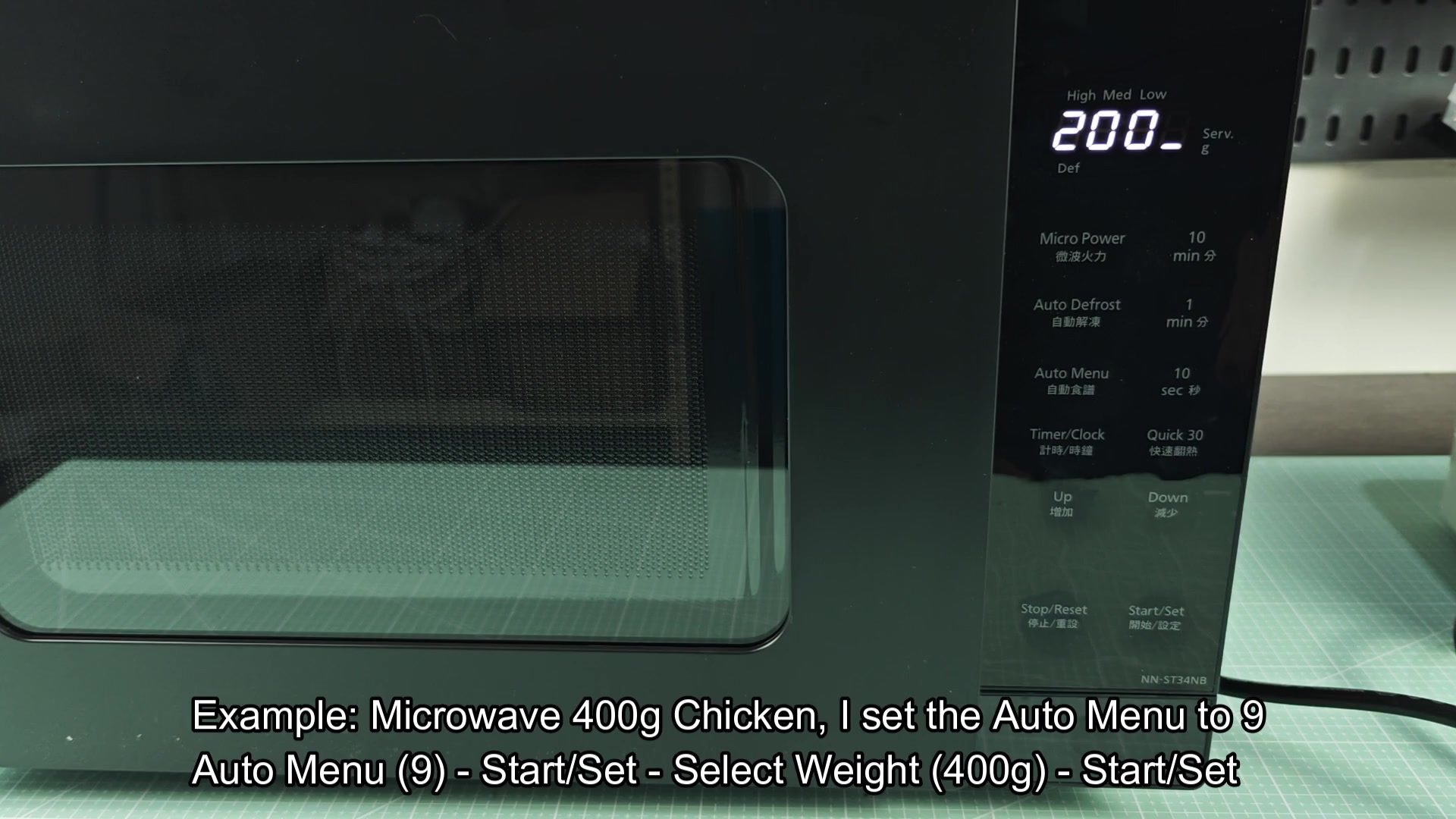
If you put in heavier food, it consumes more energy; if it’s lighter food, it takes less and it adjusts for that. Then the screen flashes, and you get a readout: Five minutes and four seconds. The timer’s already figured out how long to do this thing based on the weight you entered, and it looked like too little time. But off you go anyway, the clock will count down accurately and you’ve already pressed start so just hit it. Now what about weight? You know that four hundred grams took some time, so you want to see what happens with twice as much. You put in eight hundred grams.
The machine crunches the numbers right away and out pops new time. You might expect double the weight to take twice as long, right? It doesn’t let you down; the numbers goes up. This time it’s nine minutes. The first run was much less. The main reason is that more food need more time in the microwave. It is basic physics when it comes to cooking, so you don’t need to worry about under-cooking your big portions.
Now it all makes sense; those numbers add up and the conveniance is a big factor.