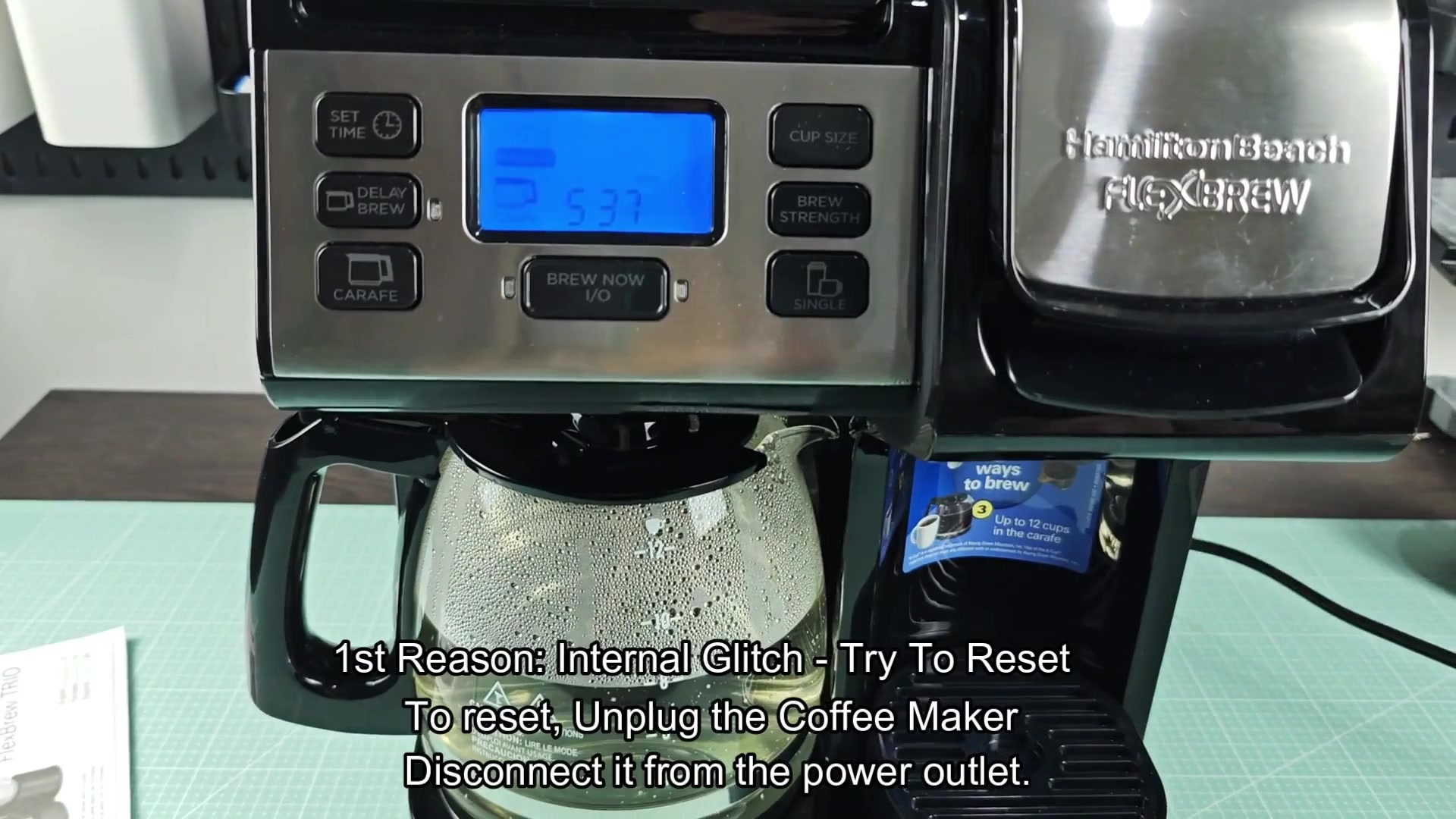
One morning, I woke up and the Hamilton Beach FlexBrew would no longer power-on. Pushing buttons had zero effect; they and the display was totally dead.
Based off most appliances, you’d think it’s just a case of a blown fuse. Nope. On this model, it doesn’t even come with a fuse inside the device that protect the circuit. This leads folks to spend time searching for something that isn’t present.
When software reset fails
First, if there’s a possibility of a software glitch you can address that. Sometimes electronics just get locked up or fall into a loop for a second or two, they have digital glitches that is easily fixed by simply resetting them.
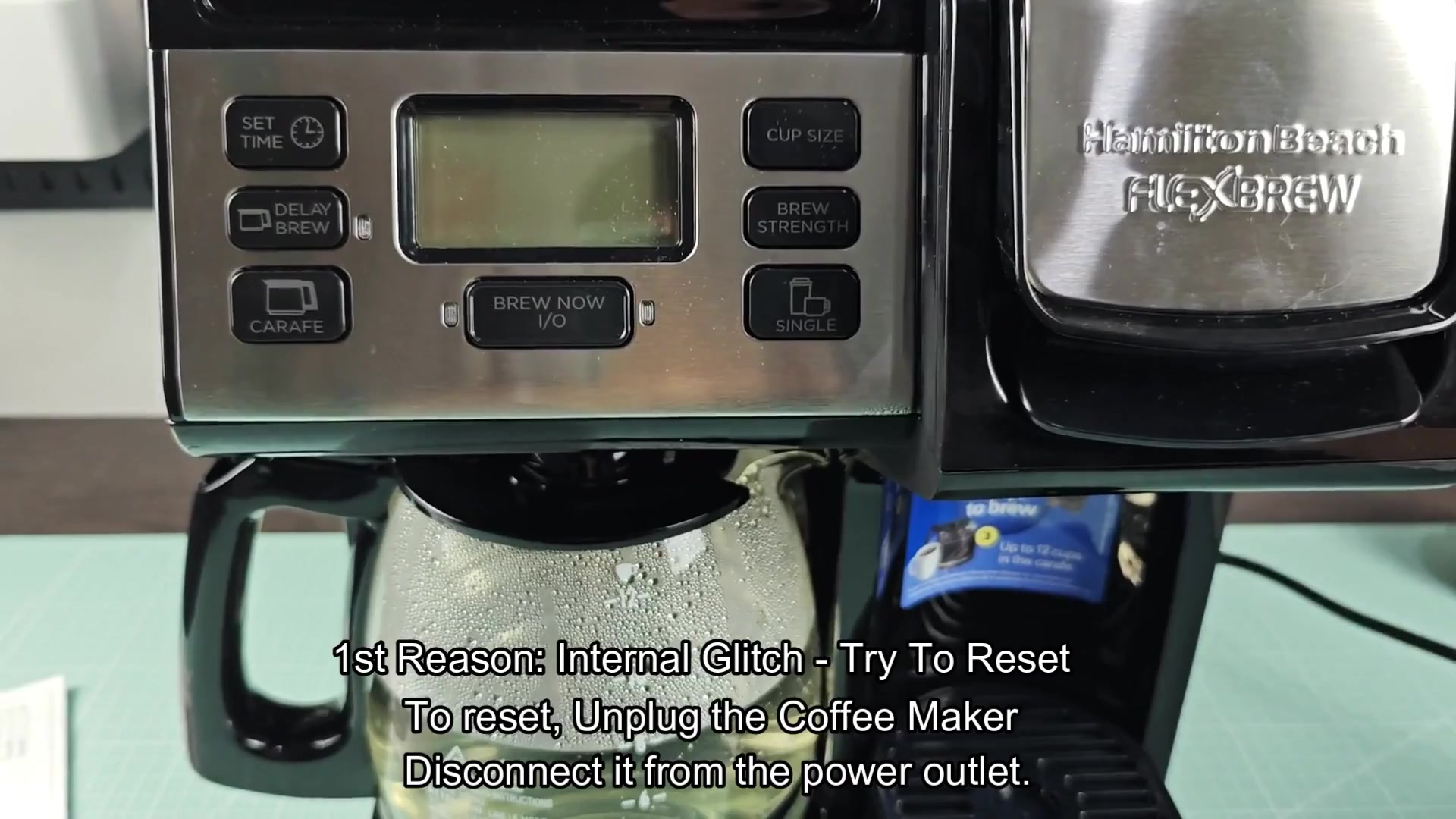
Oh, you took the power cord out? Yeah, well you got it plugged directly into an outlet and then you yanked it right back out again. That kills the power to everything in there. Everything in there has to start over with nothing in its memory because the data got stuck somewhere. Just a basic troubleshooting step but it’ll work on nearly every device made today.
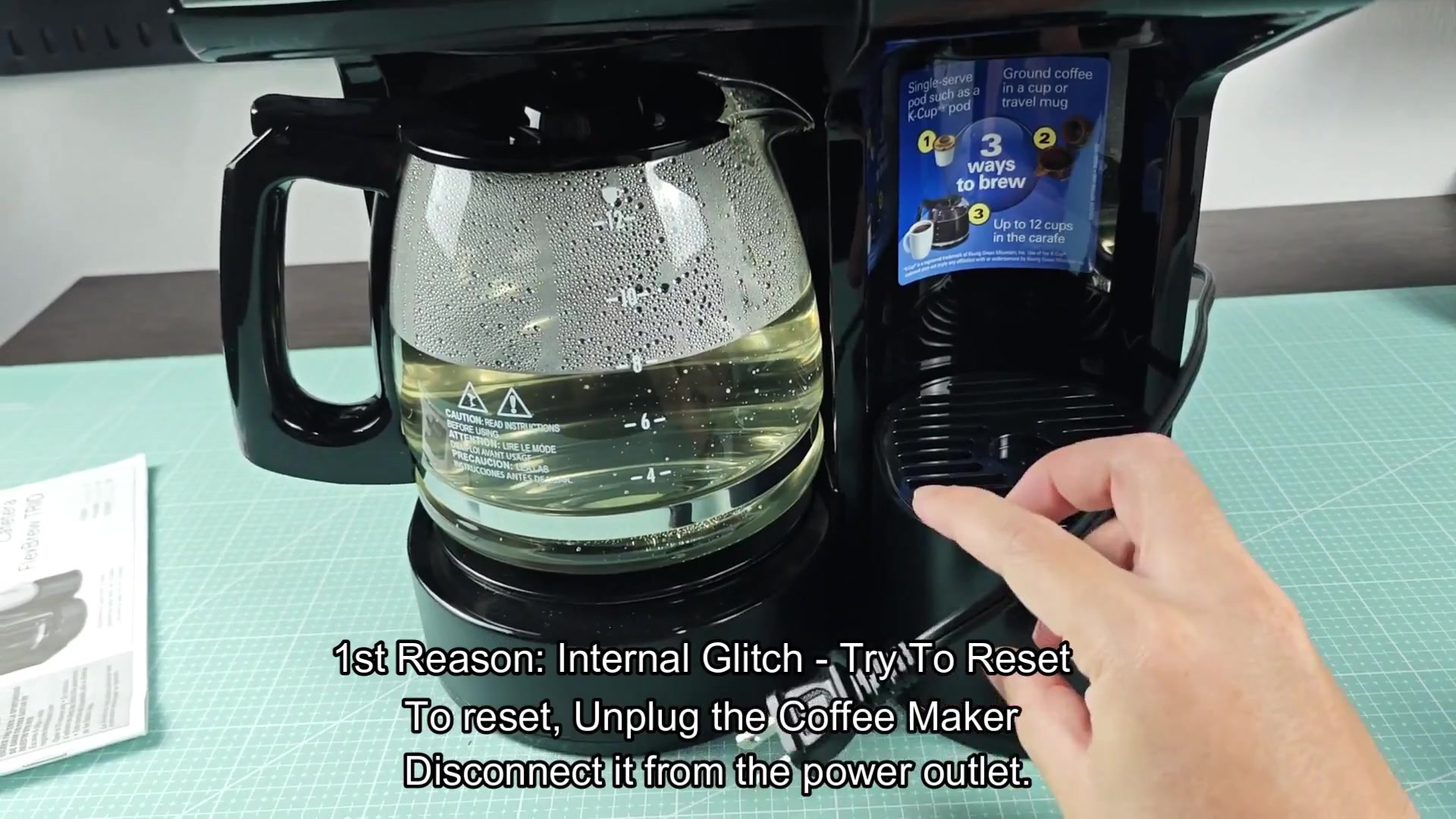
So you let it sit for like 10 minutes. That’s enough time for the capacitors to let out their remaining charge. A total black-out of the system are required for it to restart the logic board. It might take a while so be patient.
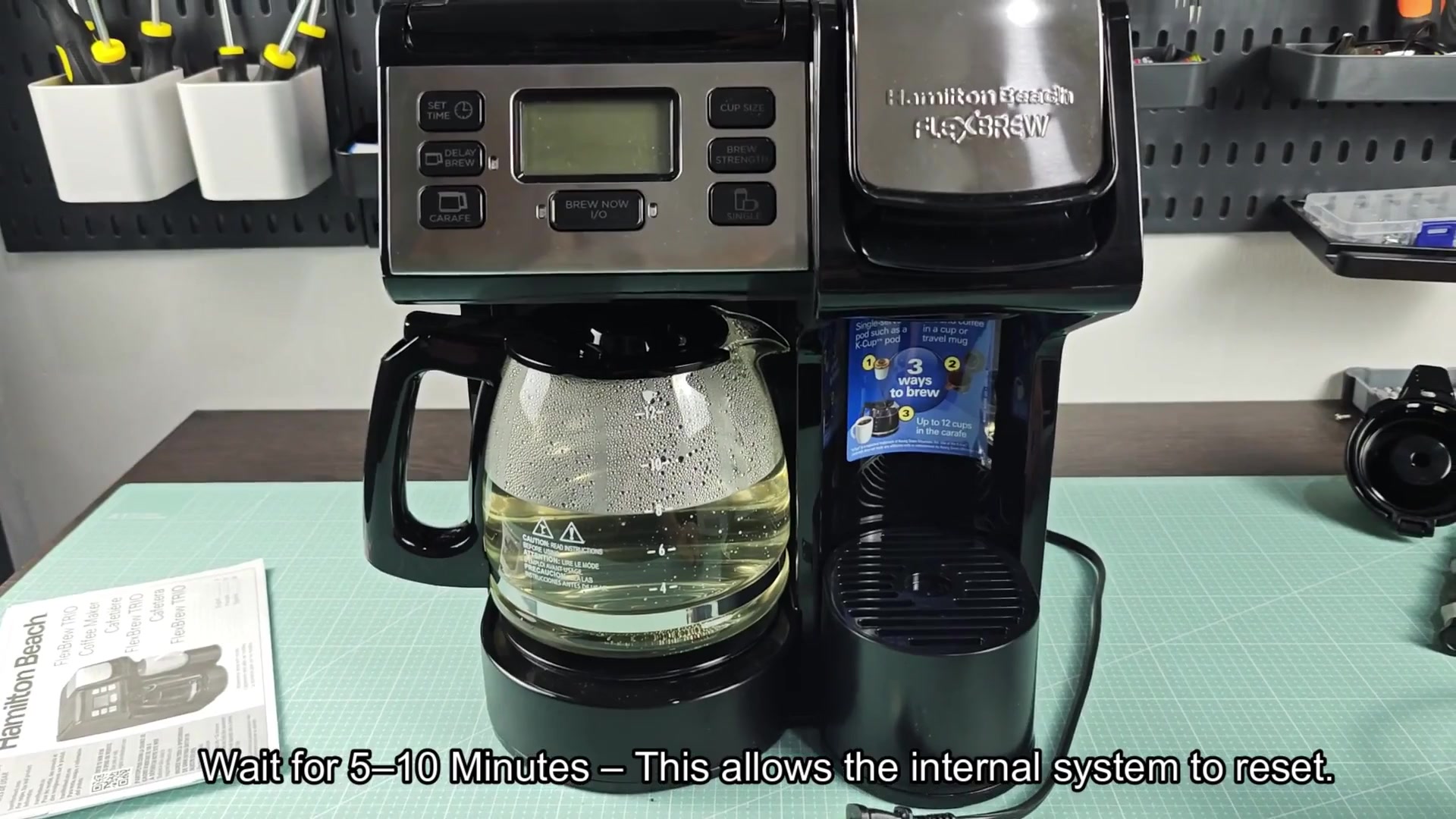
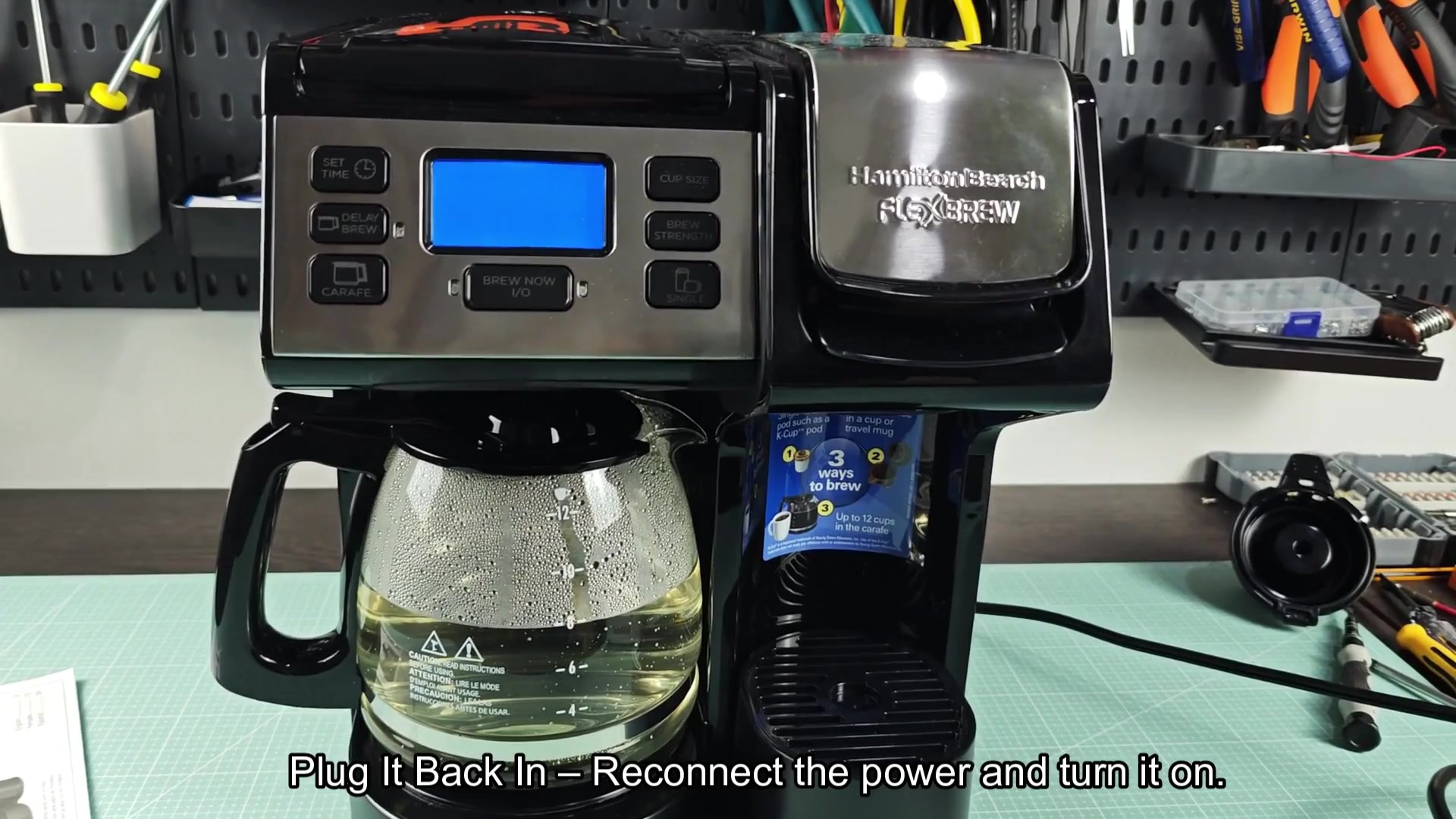
Once the time elapsed, you reinserted the plug into your power outlet. Then you pressed the power button again. Immediately, the blue light of LCD screen turned on and the clock was visible. Within seconds, the computer was up-and-running again after the reset.
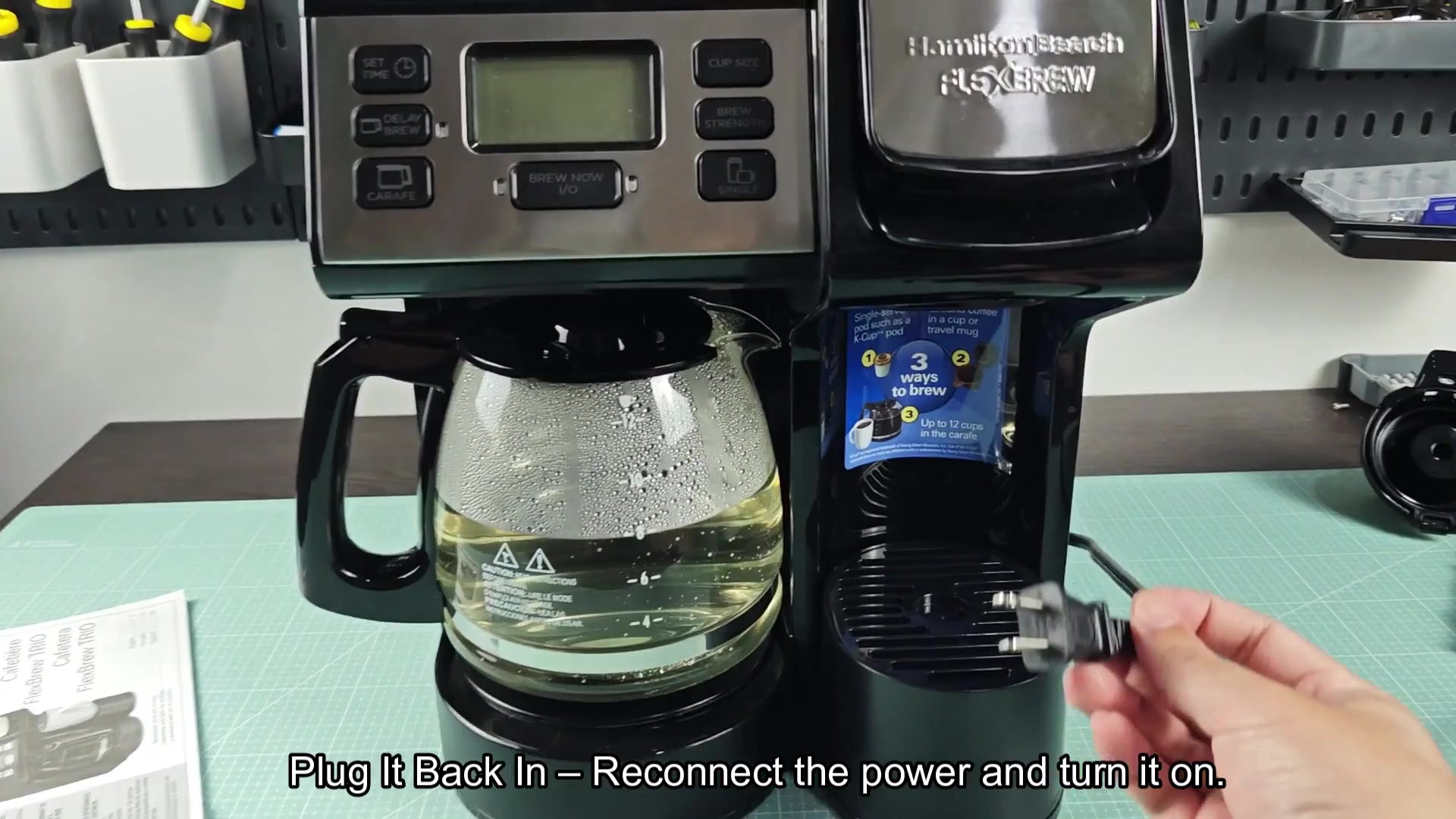
But on occasion, that’s all it takes. Technology just gets goofy sometimes.
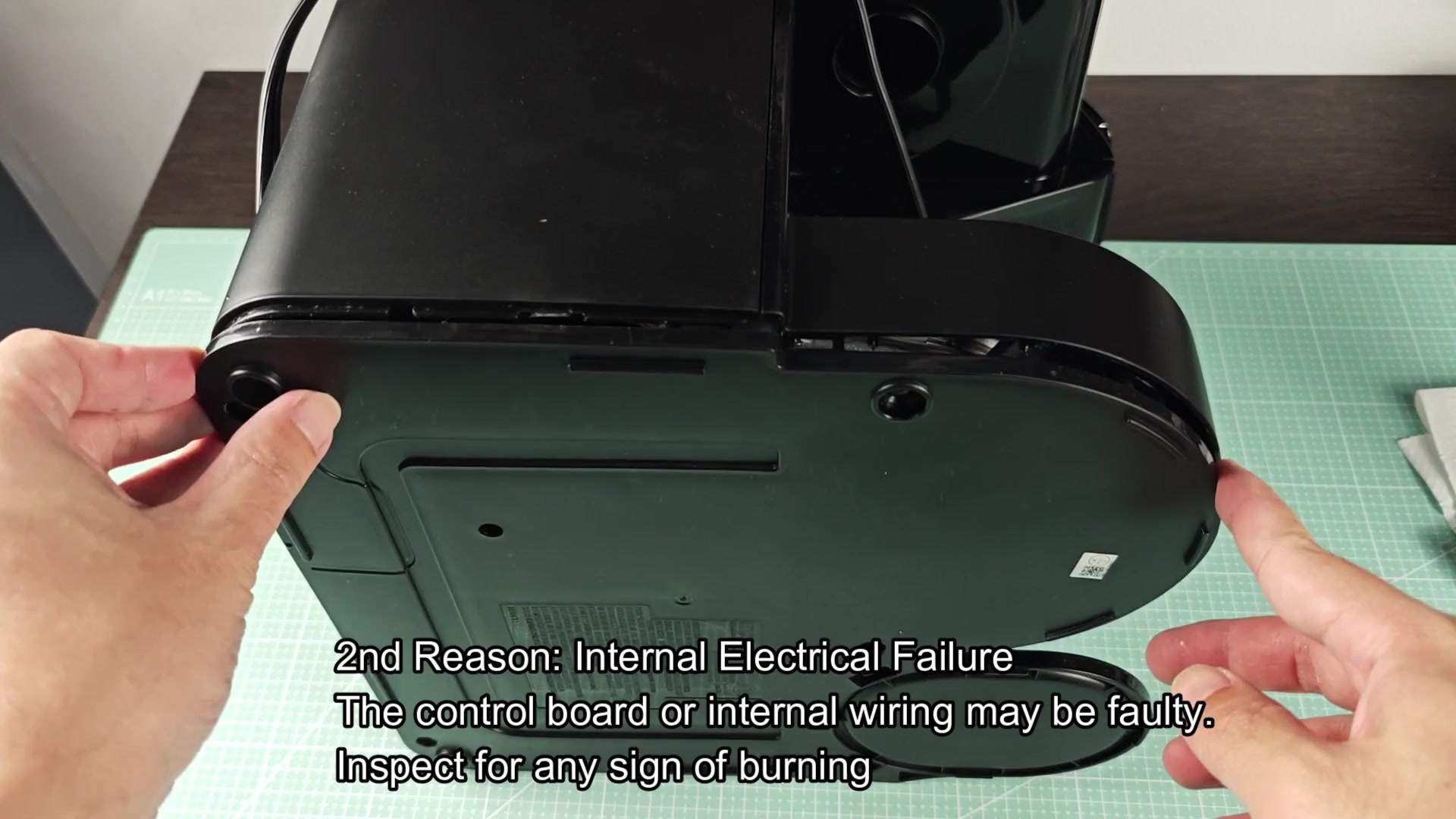
But if you try one power cycle and your unit still won’t respond then it goes beyond a mere glitch. This means there is a physical problem that can only be seen inside casing. There is also the possibility of internal electrical failure. Voltage spikes or simply the passing of time can causes components such as control board to burn out.
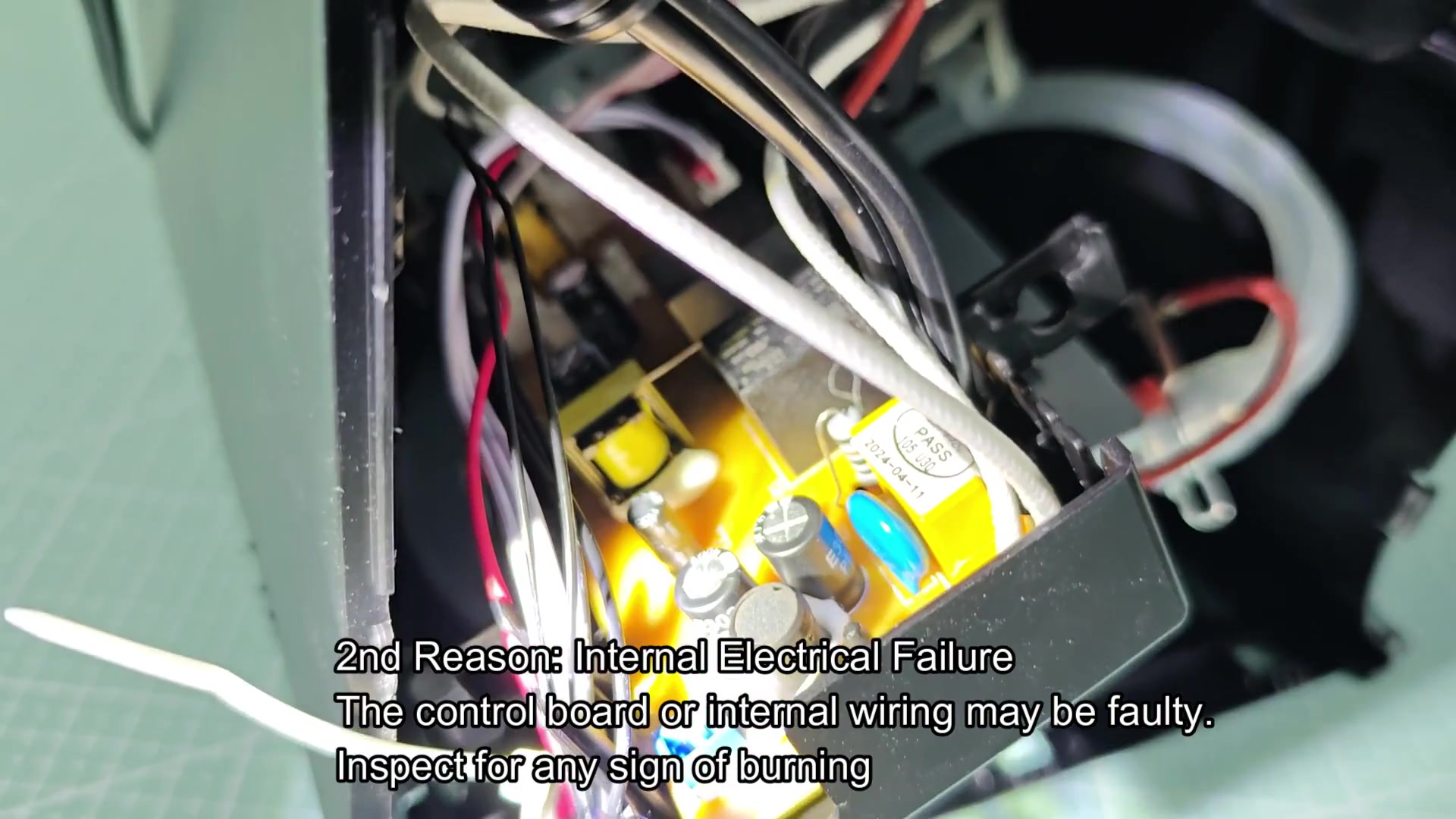
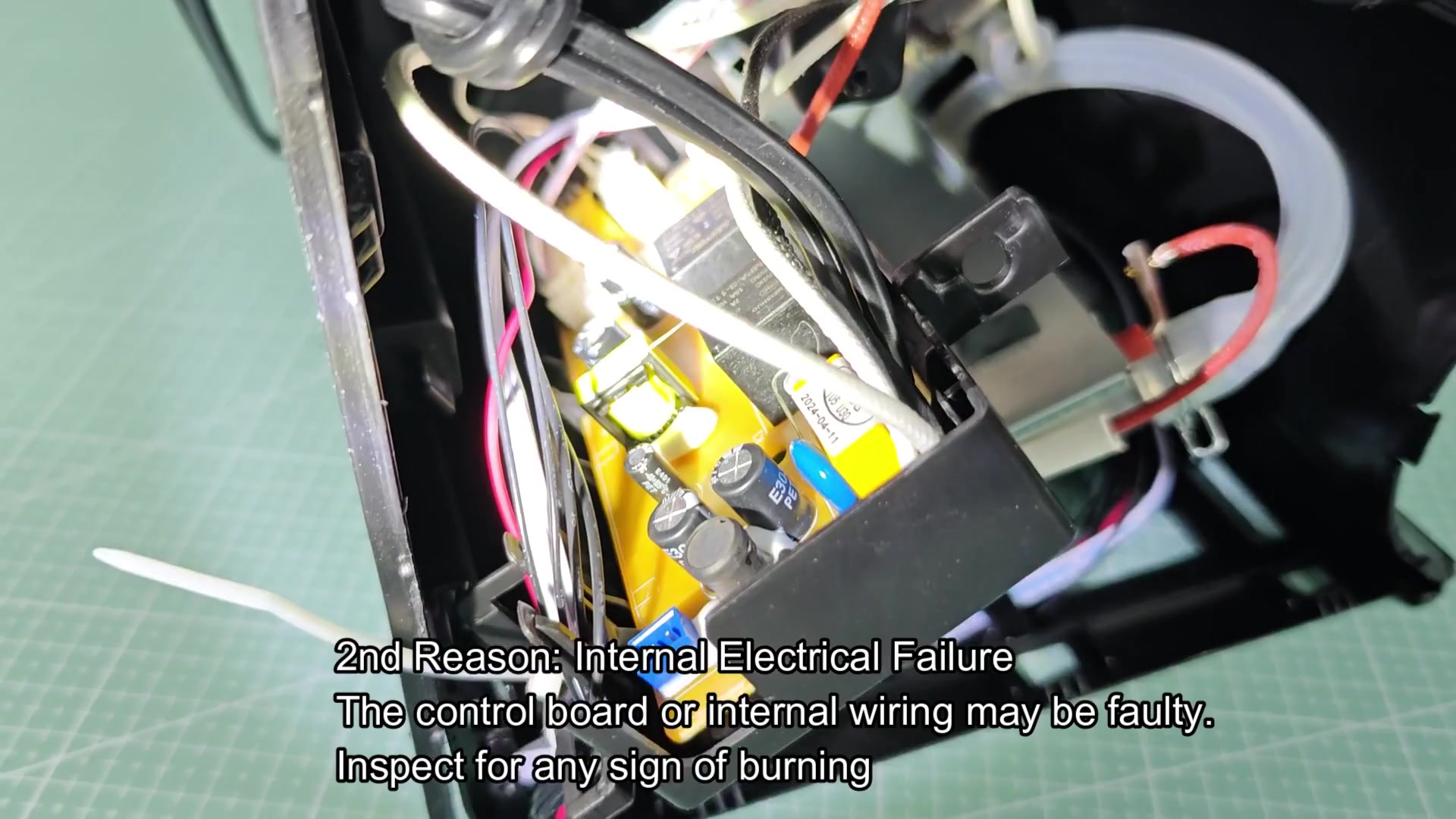
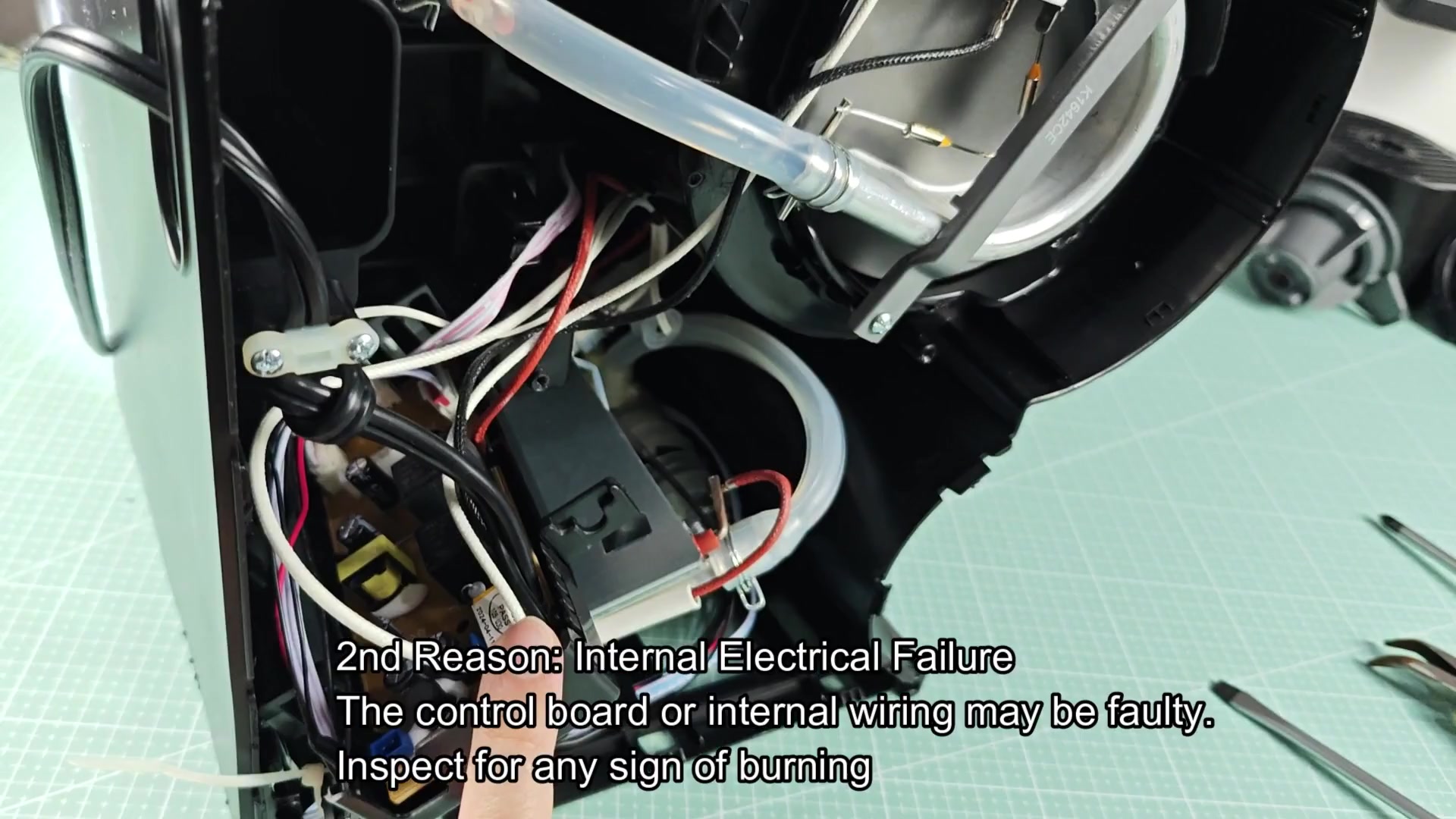
You’ve taken the side panel off to see what’s going on in there and are looking at the main boards and interior wiring. Burn marks is usually clear indications of trouble and visual inspection is key.
Then you examined the internal yellow printed circuit board. That’s what routes all of the signals from your buttons to your brewing mechanism. When it gets damaged, it won’t send the signal to the machine to turn itself on.
Look for any melted plastic or scorch marks around connectors. Any burned spots mean the circuit board overloaded one (or more) components and they got too much electricity. Without special equipment, you can’t really fix a burnt out circuit board yourself. In most cases, you’ll need to replace the whole thing. It is more of an involved repair then simply resetting the power.
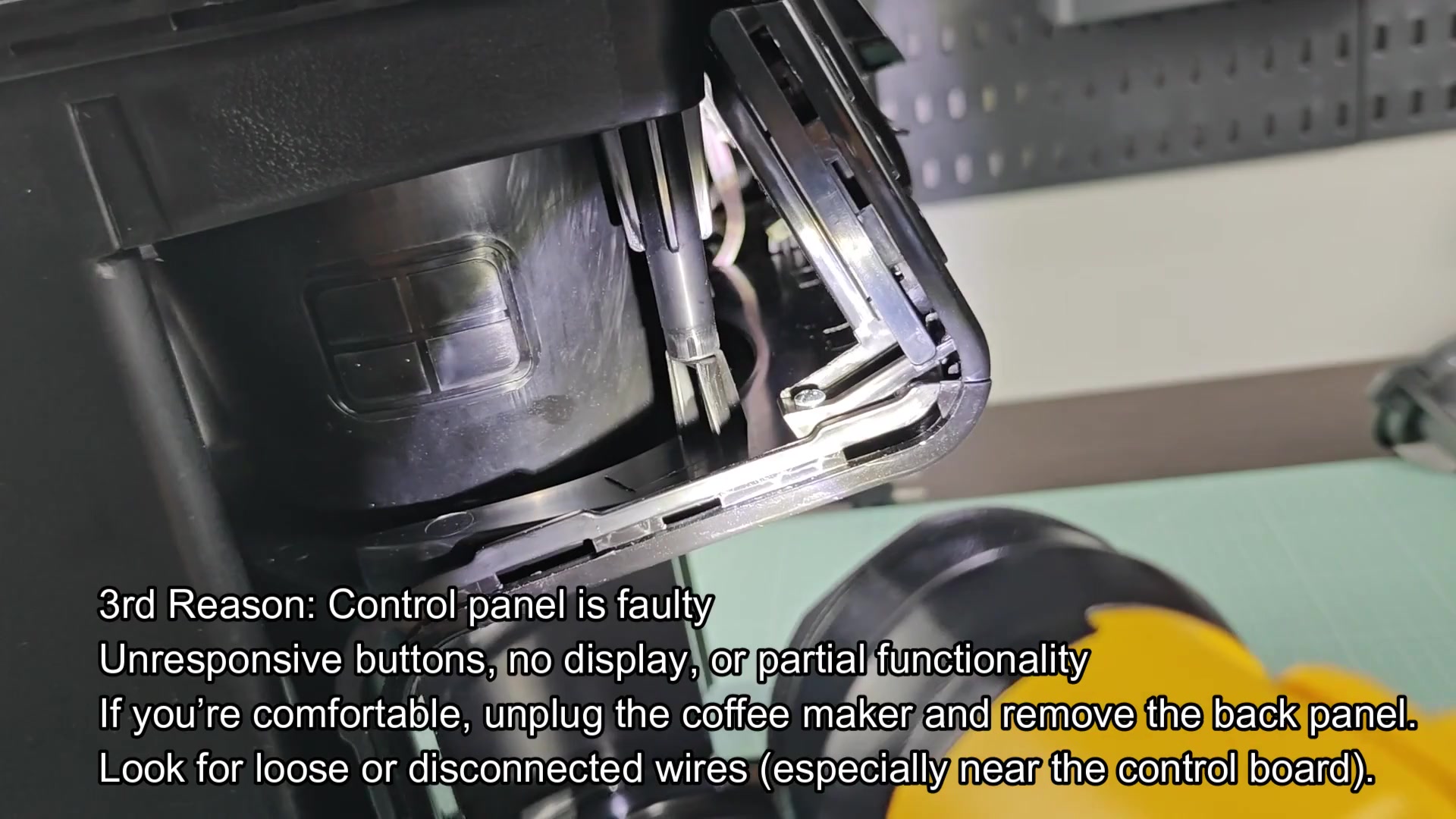
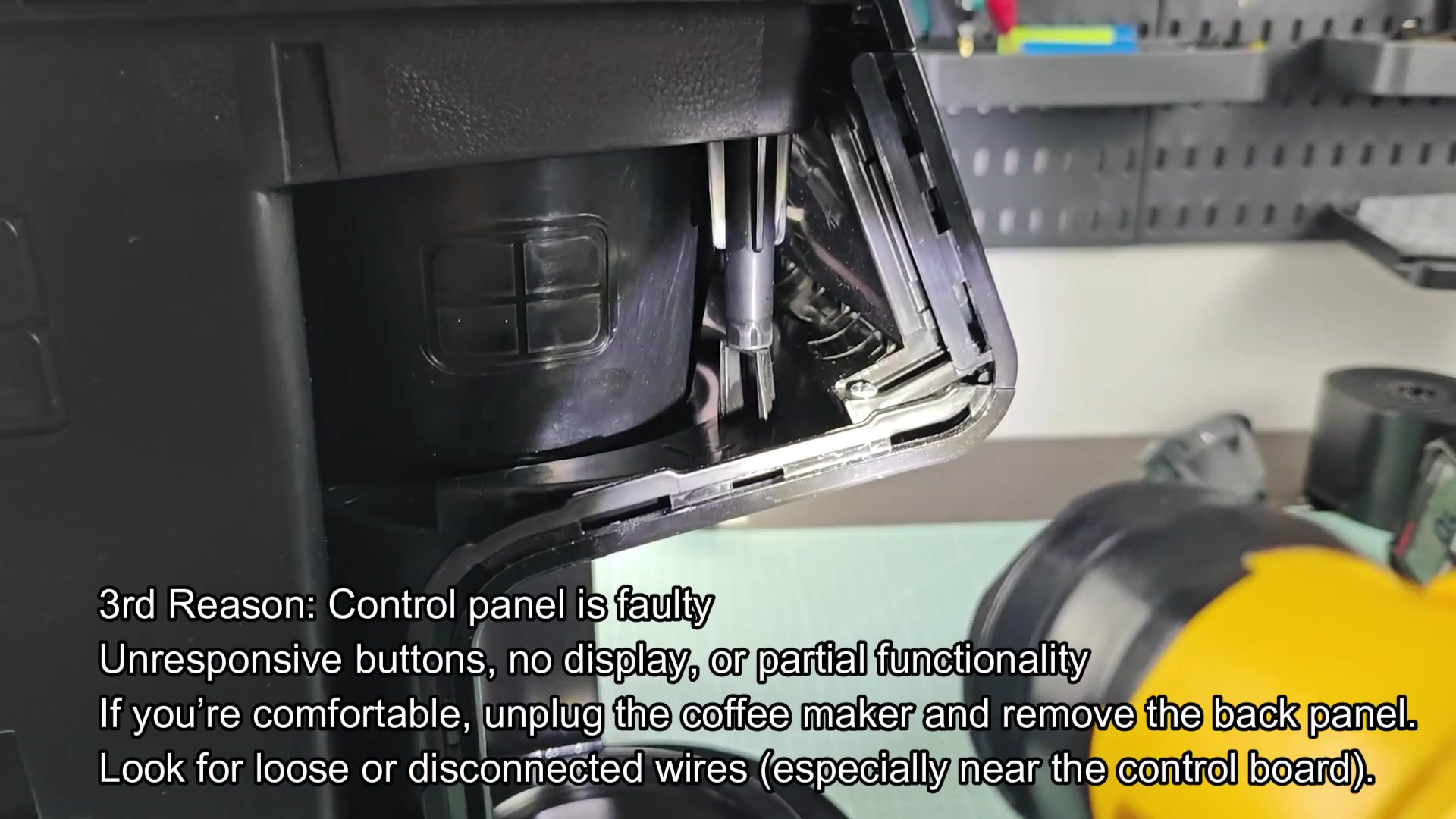
Faulty control panel connections are the third cause of dead unit. A loose connection between your control panel and the rest of the machine could mean your control board receive no signal, even if components themselves are working fine.
Look around where your control panel is located; did you notice any cables that came unplugged? Consistent operation depends on secure connections. Use a flashlight and look in the back cavity of the machine. In dim light, it’s difficult to identify little wire ends that may have became separated from their socket.
An open circuit results when there are loose wires, which means all power or data stop flowing. This is a common failure point because of repeated use and vibration.
Found a connector by the control board that was kinda loose. Pushed it back on lightly and when it seated, everything worked again. Sometimes things is simple fixes, like checking to make sure all your wires were tight and working again. Seems complicated but should of been solved easily by doing a quick check.