Perhaps your DeLonghi coffee maker turns on just fine, the pump sounds happy, yet you no longer have any steam from milk frother? While the wand remains cool, the display turns on but gives only a puff of lukewarm air, no good for an authentic cappuccino.
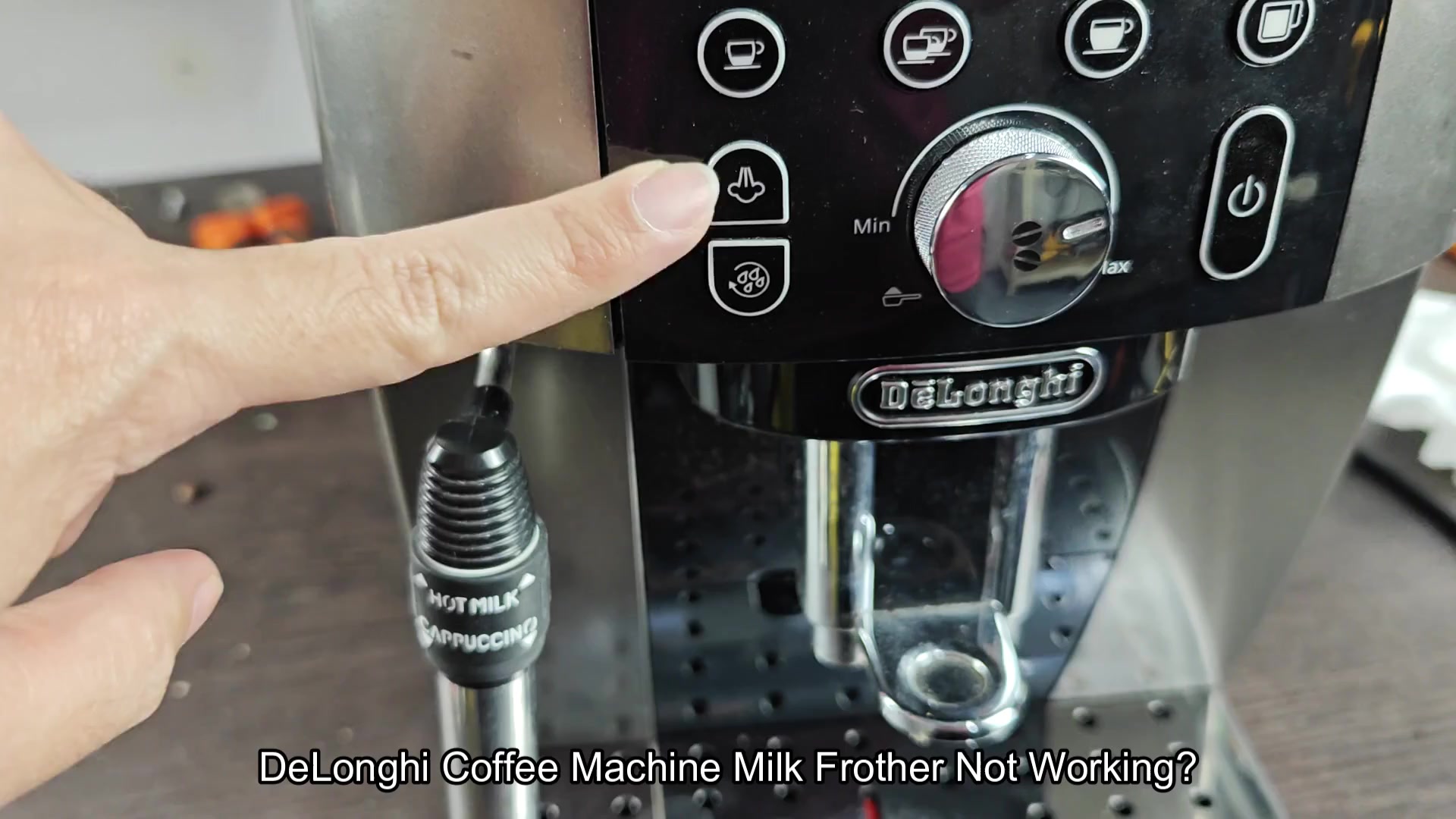
It’s not an electronic problem; this one typically arises as some sort of mechanical or seal-based blockage in the system. Luckily there are three different places where such a failure might be located inside housing.
Checking The Steam Valve Mechanism
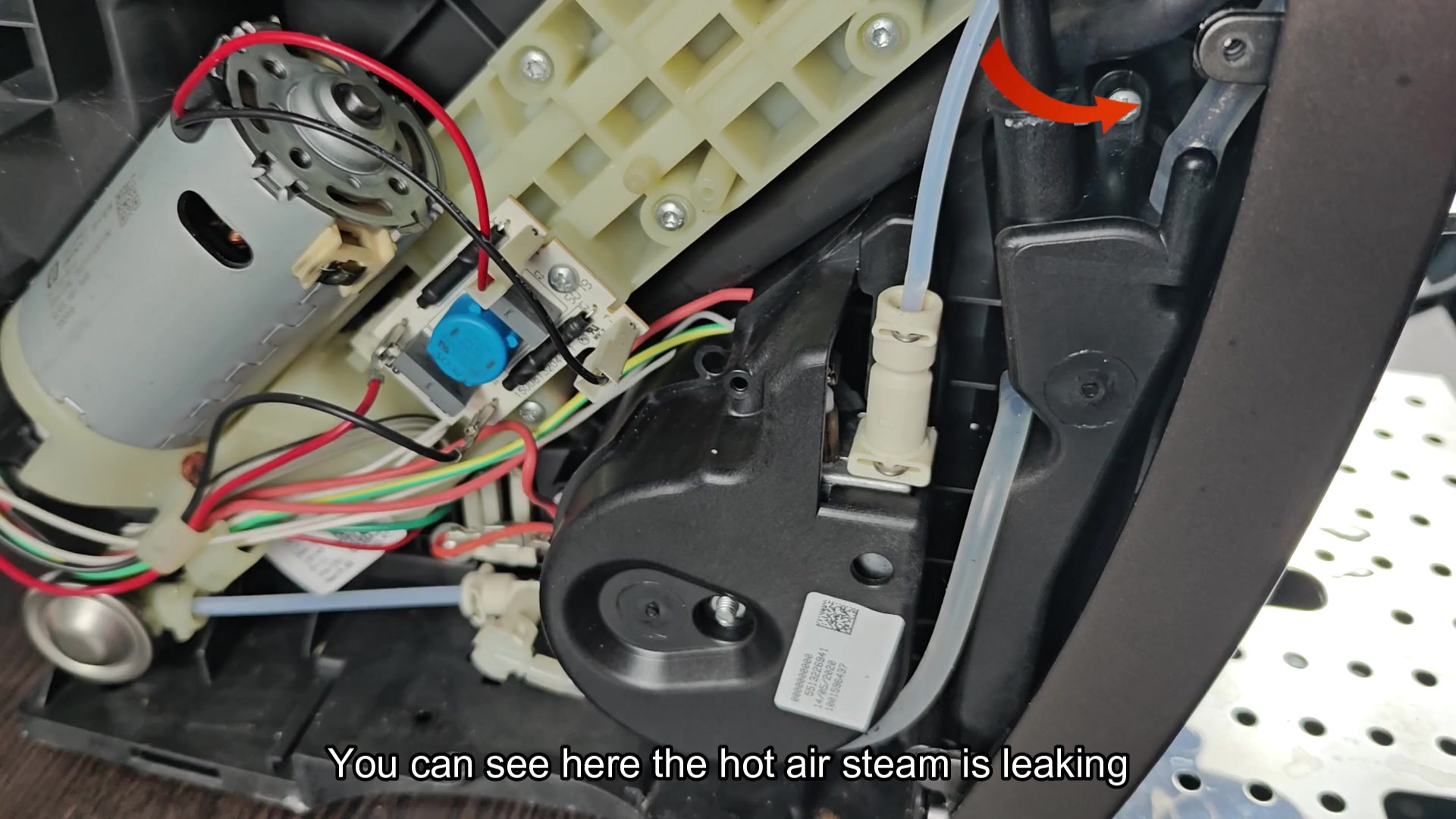
The first thing to check is air leaks within your system. A loose joint allows hot air to leak out of the system and prevents proper buildup of pressure. In order for the frother to produce thick foam, the machine must heat the water. However, it is losing its energy to the air rather than heating the water. There simply isn’t enough pressure to blow strong air. Examine the connections of the tubing carefuly inside the machine for a tight seal. For maximum performance, you want a tight seal.
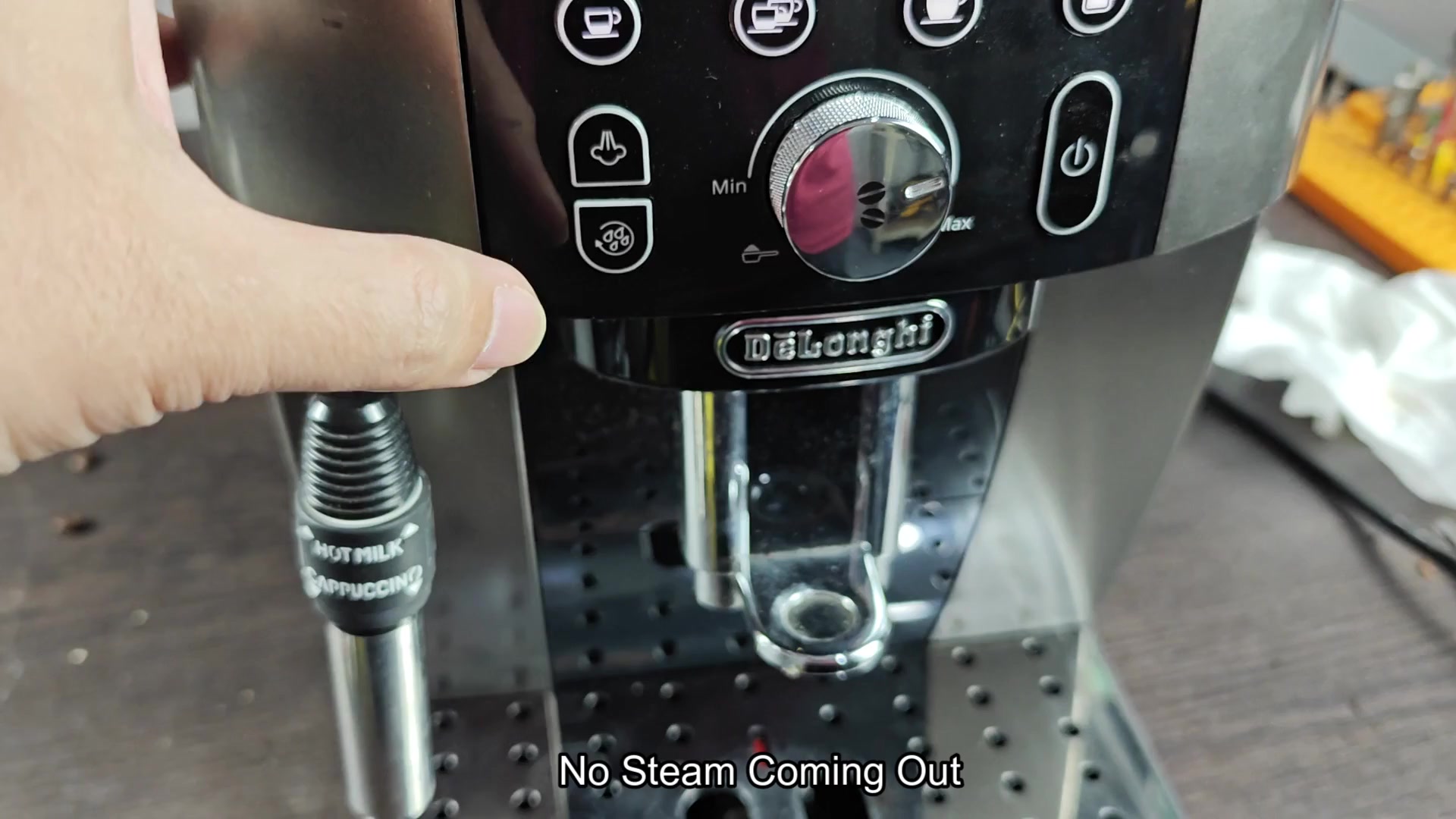
Steam are leaking from a little gap around the heating element housing. It escapes before it hits the wand. No pressure to force the stream properly textured. The heater’s doing its best, but the effort gets wasted inside.
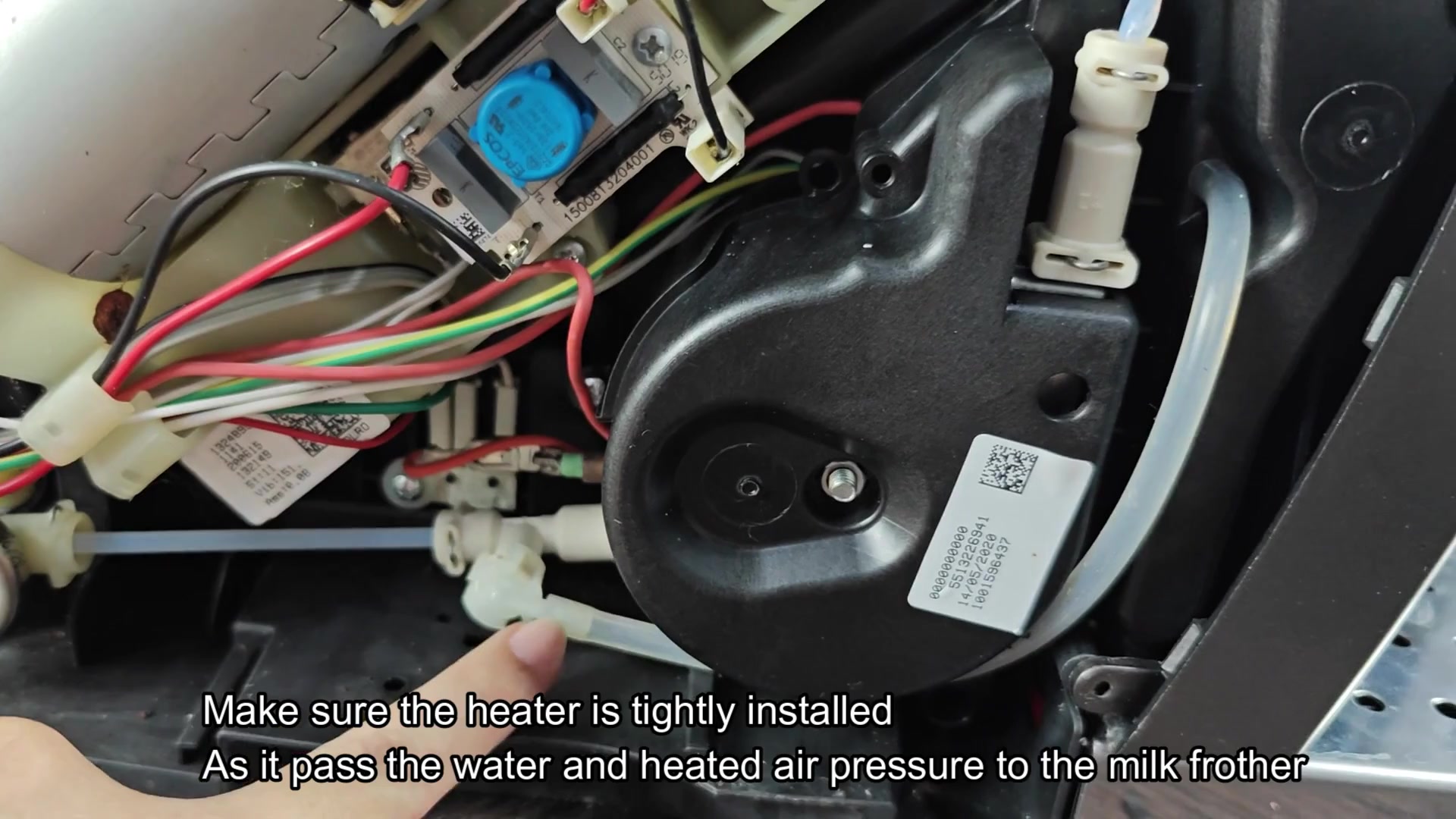
Problem #1, check for air leaks inside the system. Tighten them now! Make sure it transfer water and hot air pressure straight to the frother so nothing is wasted on a loose connection.
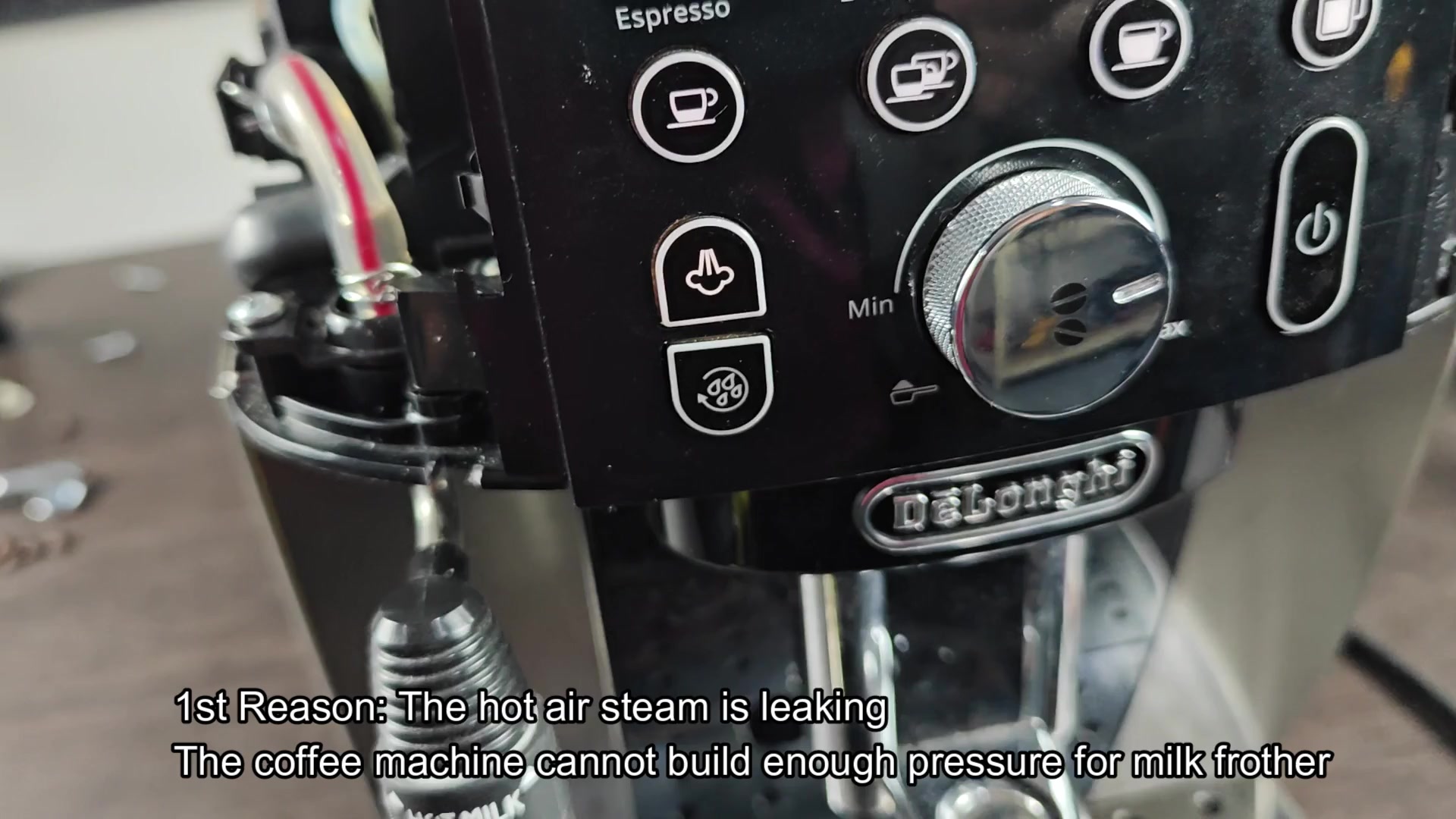
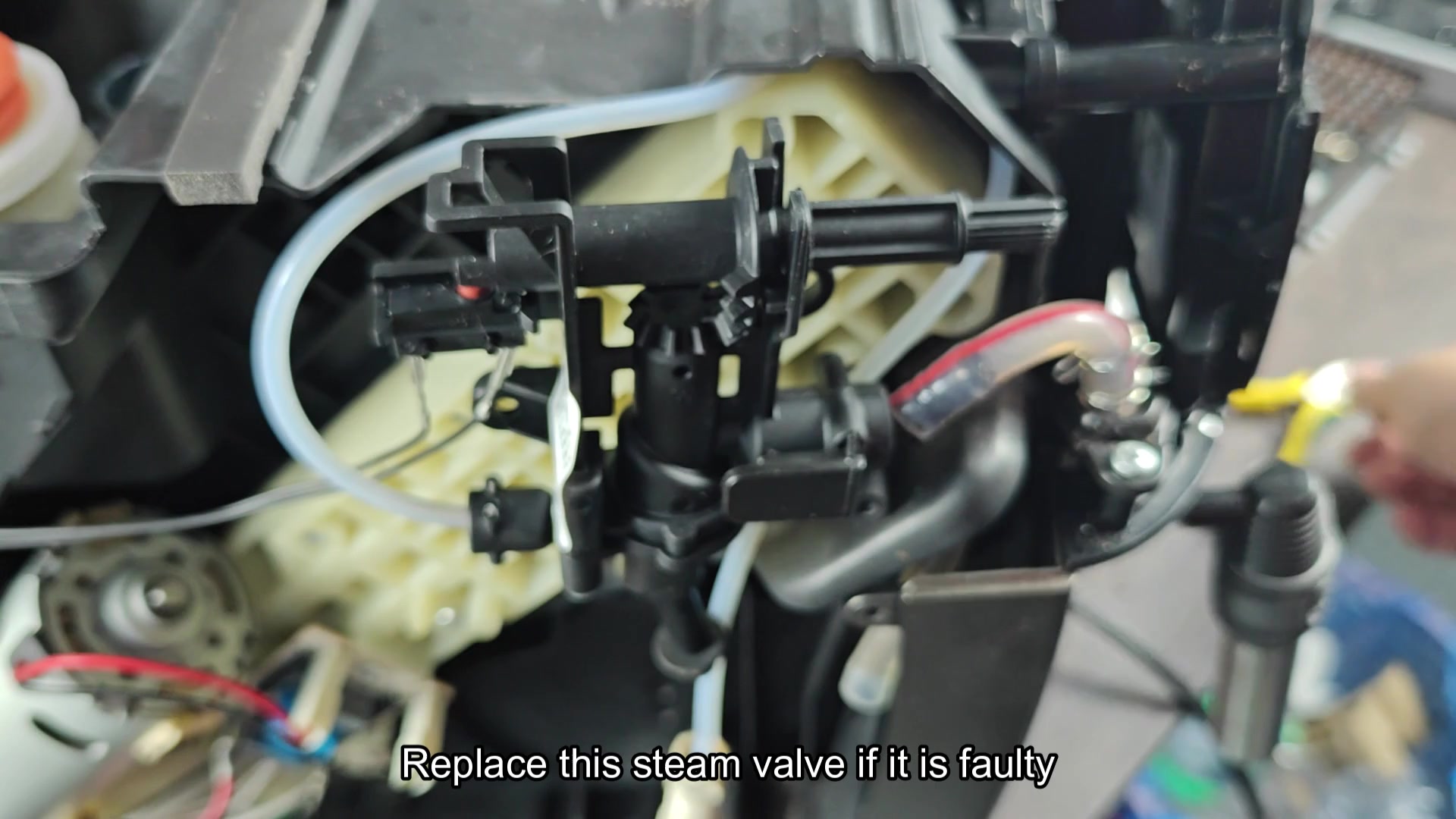
Next up is the steam valve. Essentially, the steam valve diverts a stream of hot water and/or steam to the outlet of your milk frother. When this valve becomes worn or damaged, it will fail to operate properly. Think of it like a gatekeeper for heat. No steam? The valve is broken.
This part control where the heated fluid goes in the system. If you can see any physical damage on the internal workings of the valve then it’s time for a replacement. If the valve isn’t working correctly, it will produce either the wrong output or no output at all. Over time, the internal mechanism of the valve will wear out and need replacing.
This issue is more subtle but equally problematic than the other three. The steam valve assembly’s hot water button can become stuck in the “triggered” position. The internal switch fails to fully reset once engaged. When this occurs, if the button remains engaged, the machine believe that all you desire is hot water. It ignores the steam altogether.
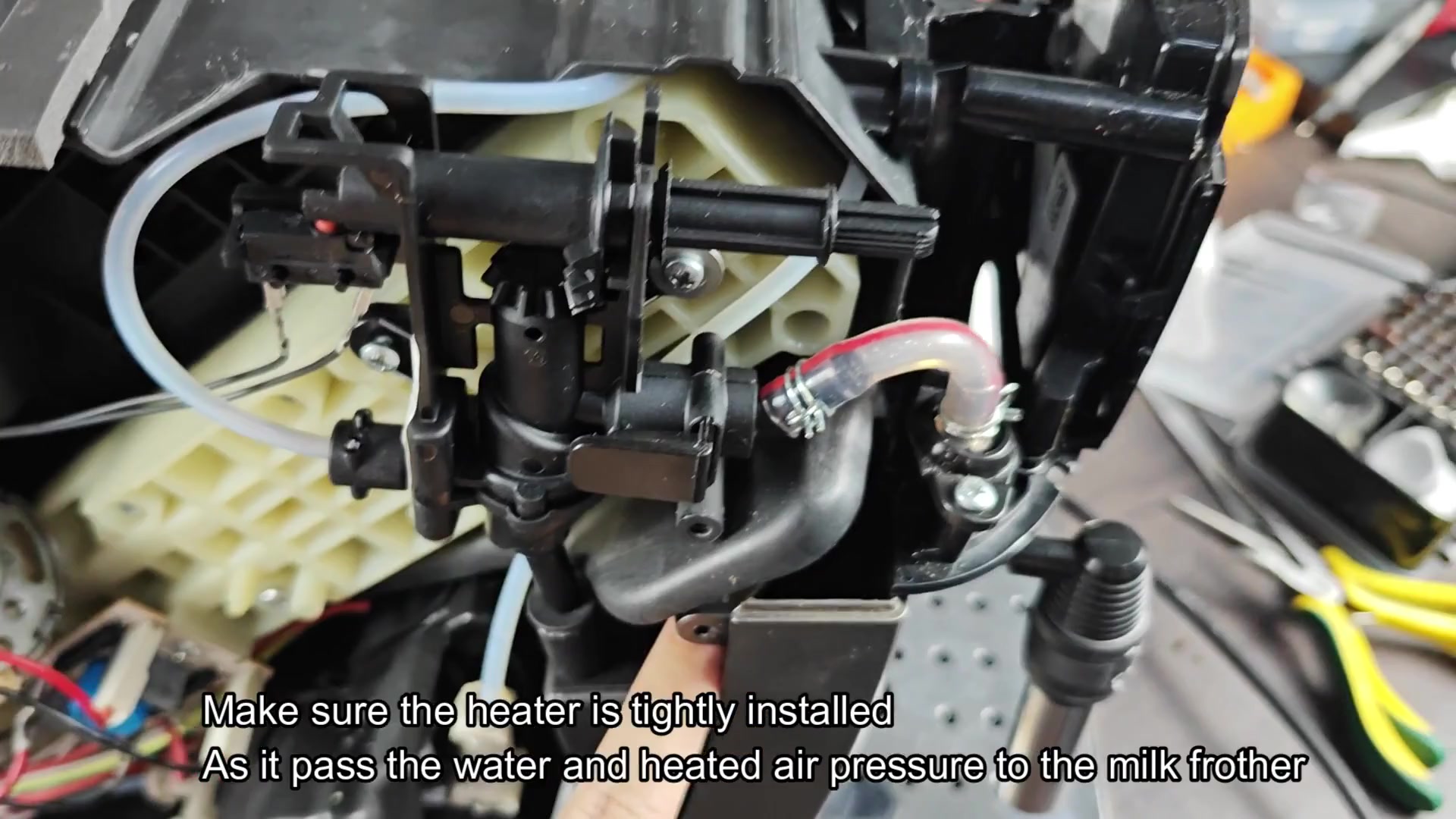
The microswitch makes sense as an option but causes confusion. If the switch is stuck, the machine use hot water instead of high pressure steam to heat the water instantly. The wand might dispense liquid. Instead you get liquid. It’s like your heater isn’t working but actualy it’s a control issue. To check the output simply look at what comes into the cup.
It’s too cold for froth milk, just right for a few sips. But no white stuff; no white foam. Why? Because the pressure was never engaged. This stuck switch caused the machine to work only in the hot water mode.
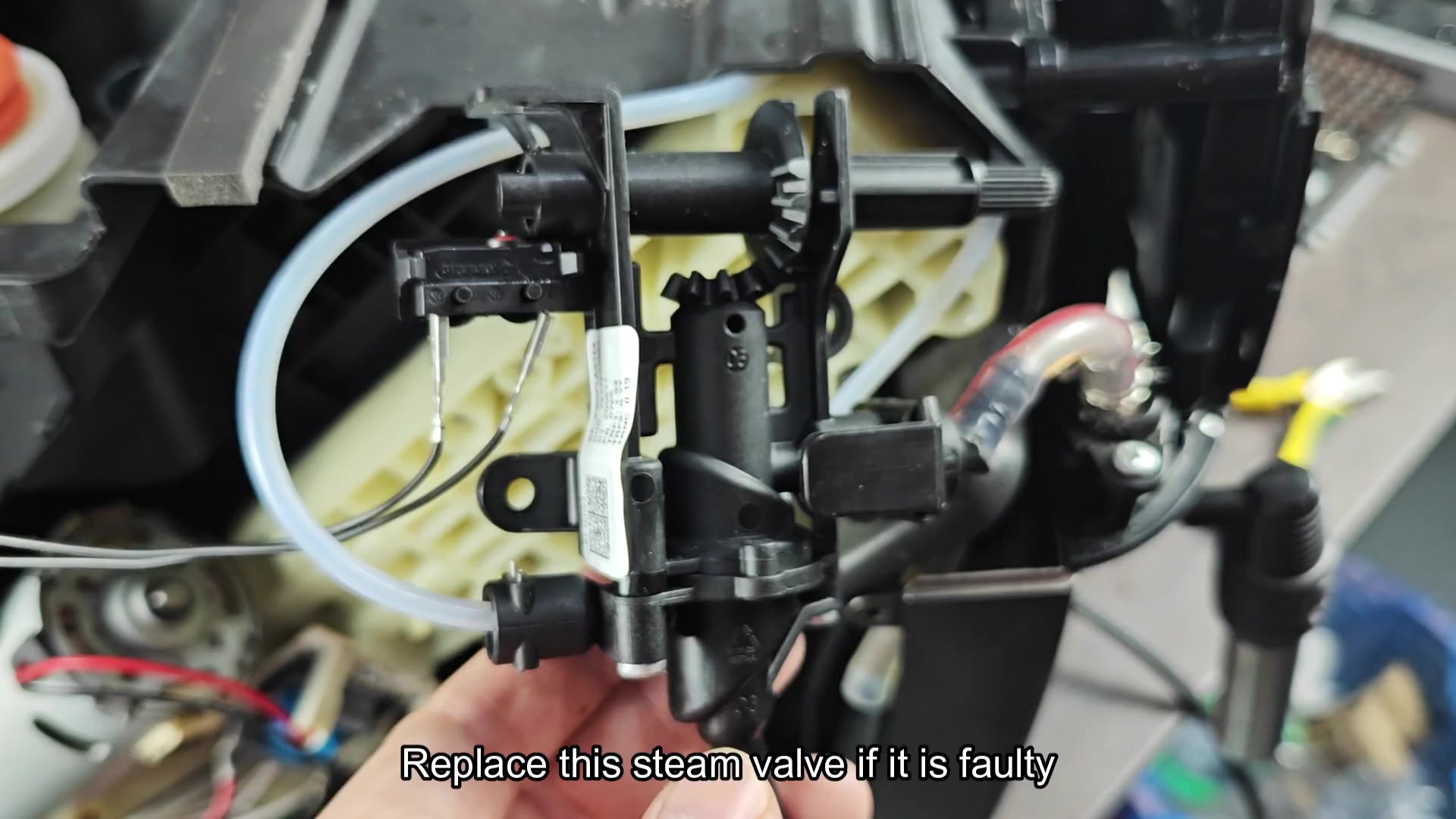
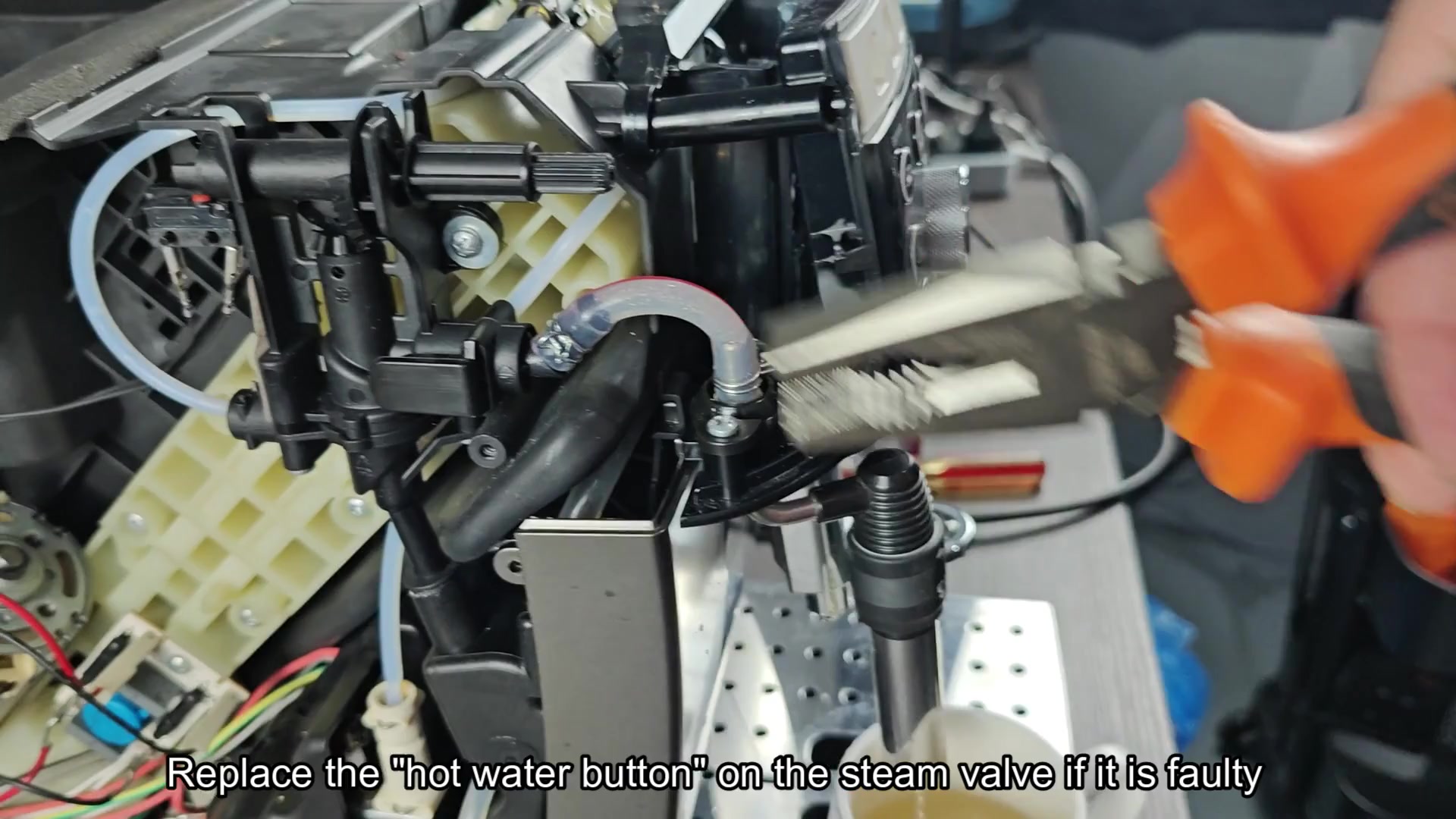
When I check the linkage on the steam valve, I see what’s in the way: something is physically obstructing it. With my pliers, I wiggle the rod back and forth and notice that when it should of move freely, it doesn’t.
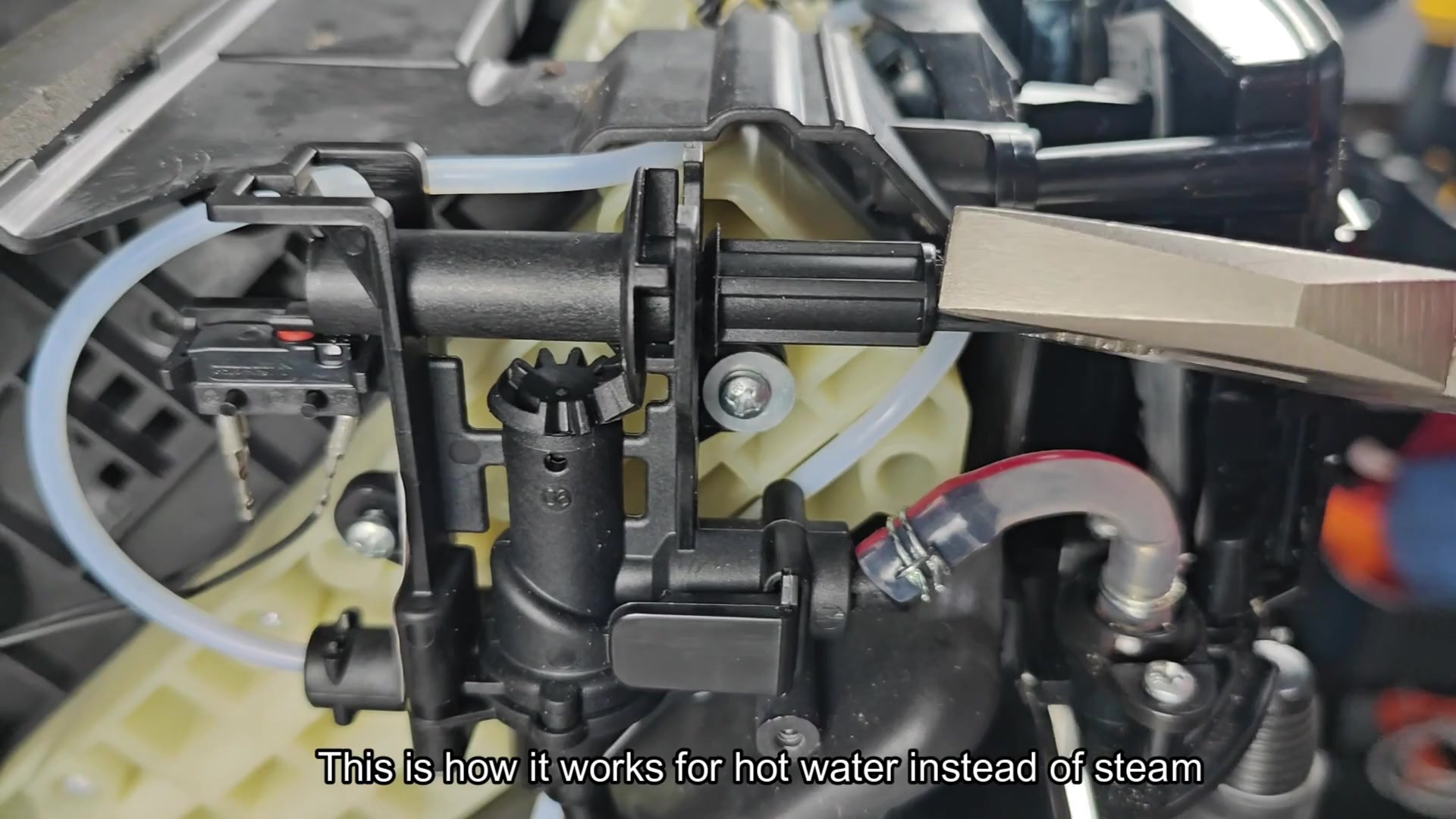
Next we need to free up the little microswitch in there that got jammed shut. A quick tweak of a mechanical setting and it switch back to a totally different way of working. Swap out the broken button mechanism and everything is normal once more.
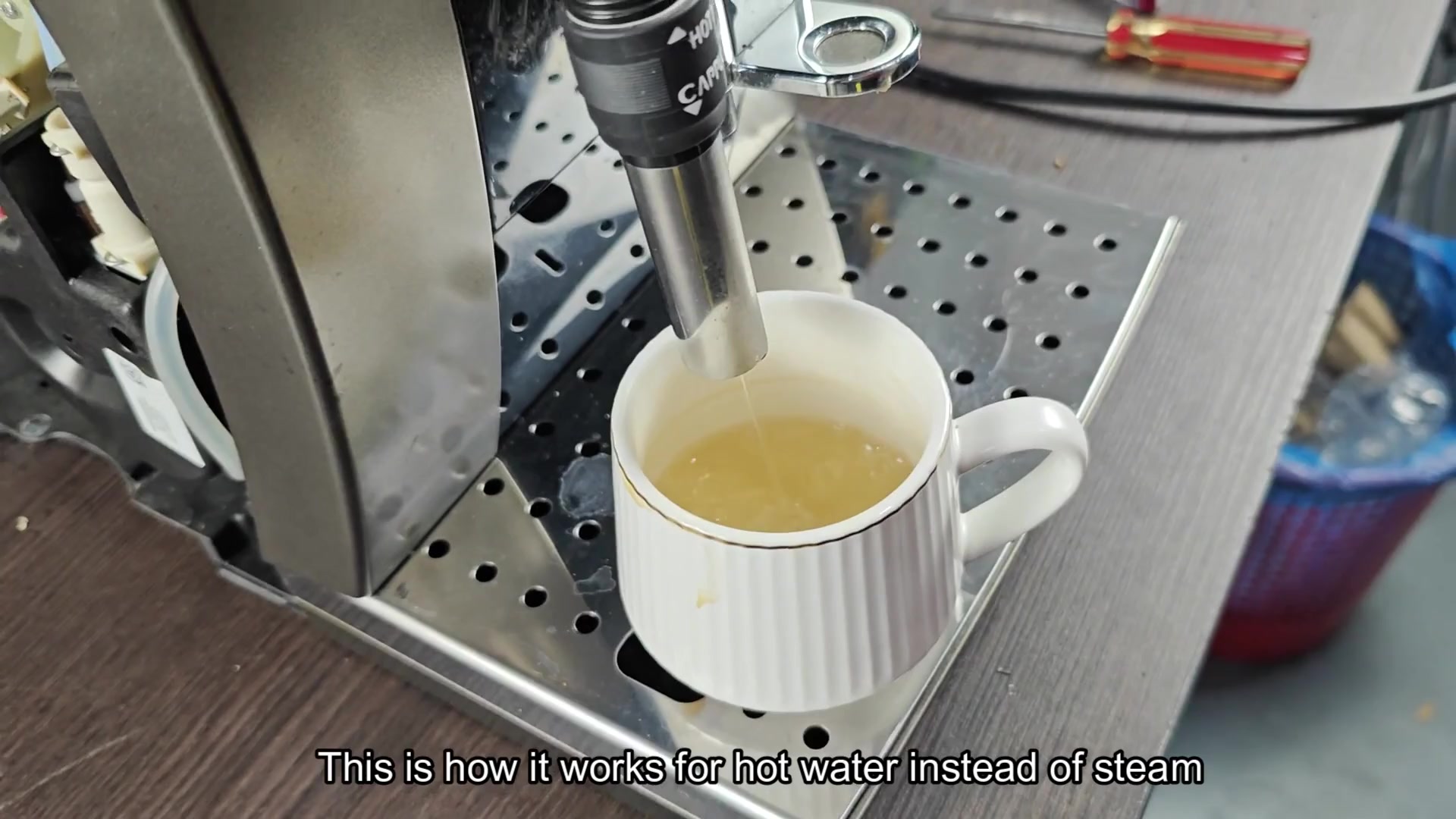
Steam came back right away as soon as the button could flip back and forth freely. You can feel the difference between steam and hot water coming out now. That’s about all you really need to check for with frothers around house.
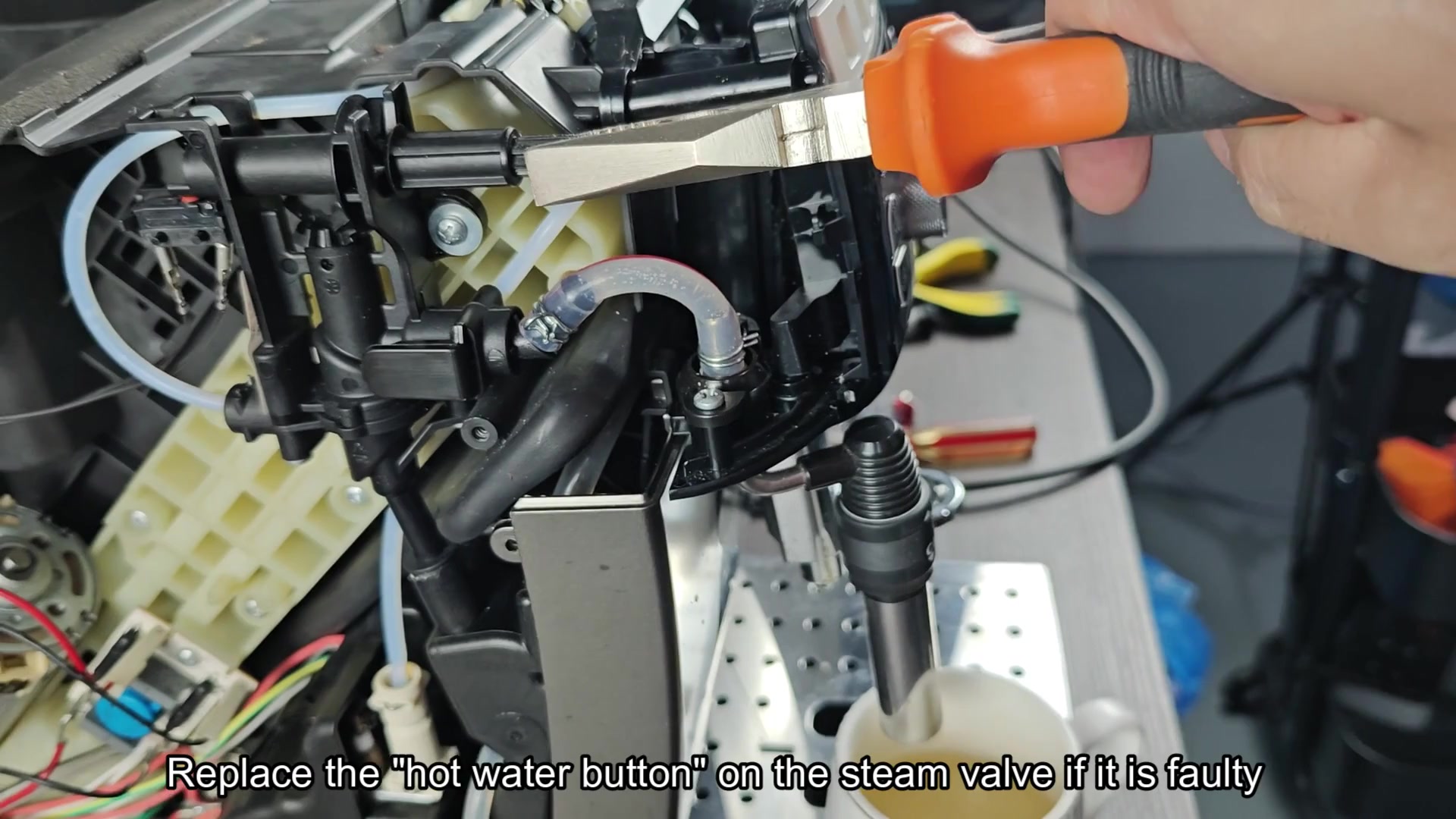
Valve problems completely cut off flow. Air leaks depressurize it. Stuck buttons mess with the machine’s brains to put it in the wrong mode. Knowing what to look at saves repair costs and time.