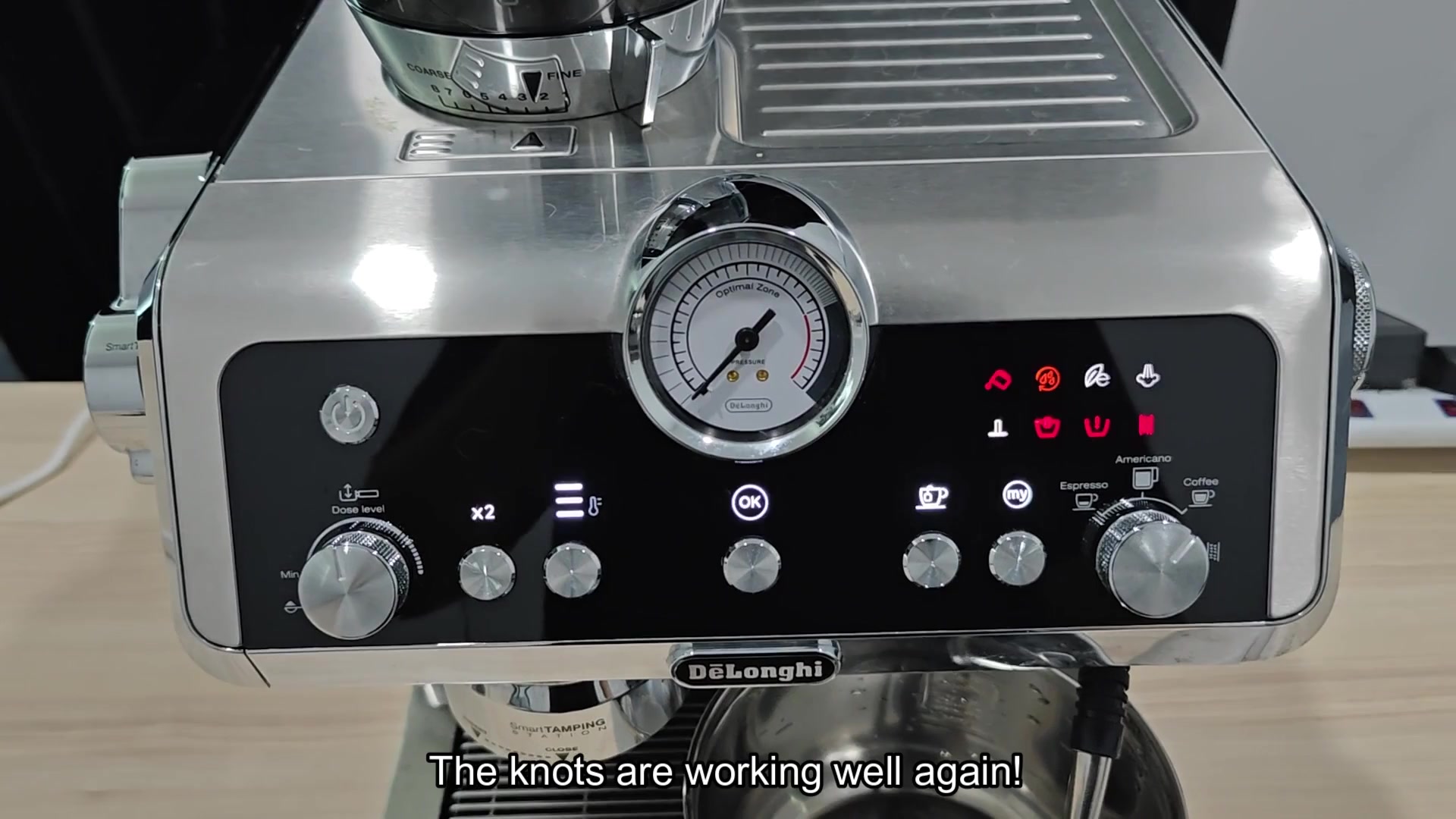
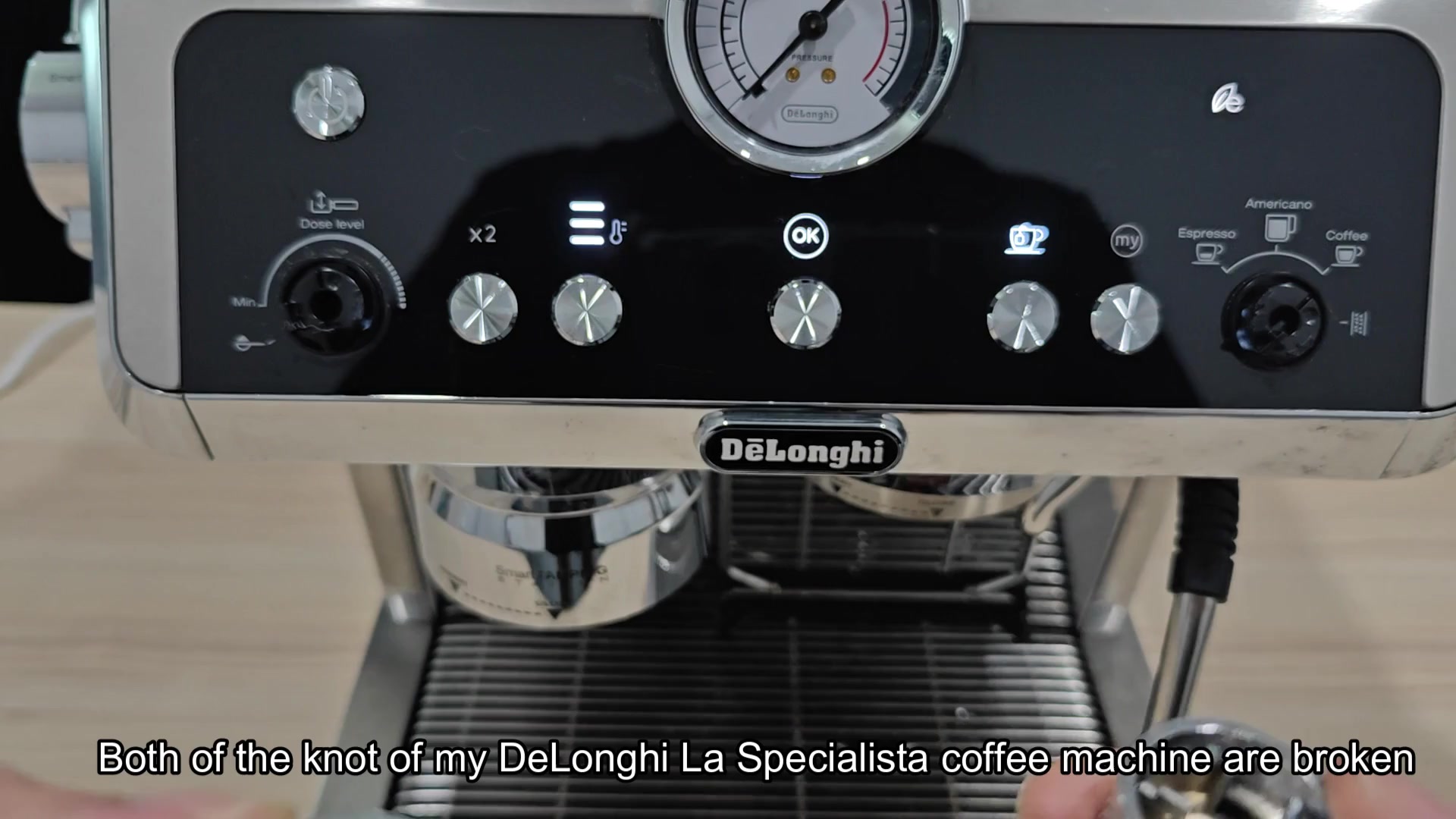
Surprisingly, however, your DeLonghi La Specialista has some rather delicate knobs that can easily get knocked off of their shafts with a simple bump. You might think everything looks good, but without those caps the controls is useless.
Looking at the scraps I found out what’s inside isn’t solid metal; it’s actualy made from plastic. This explains why people has complained about their controls being loose all over. The plastic snap when hit or put under pressure. This means it isn’t a fault of the metal plating, the weak spot was the inside plastic.
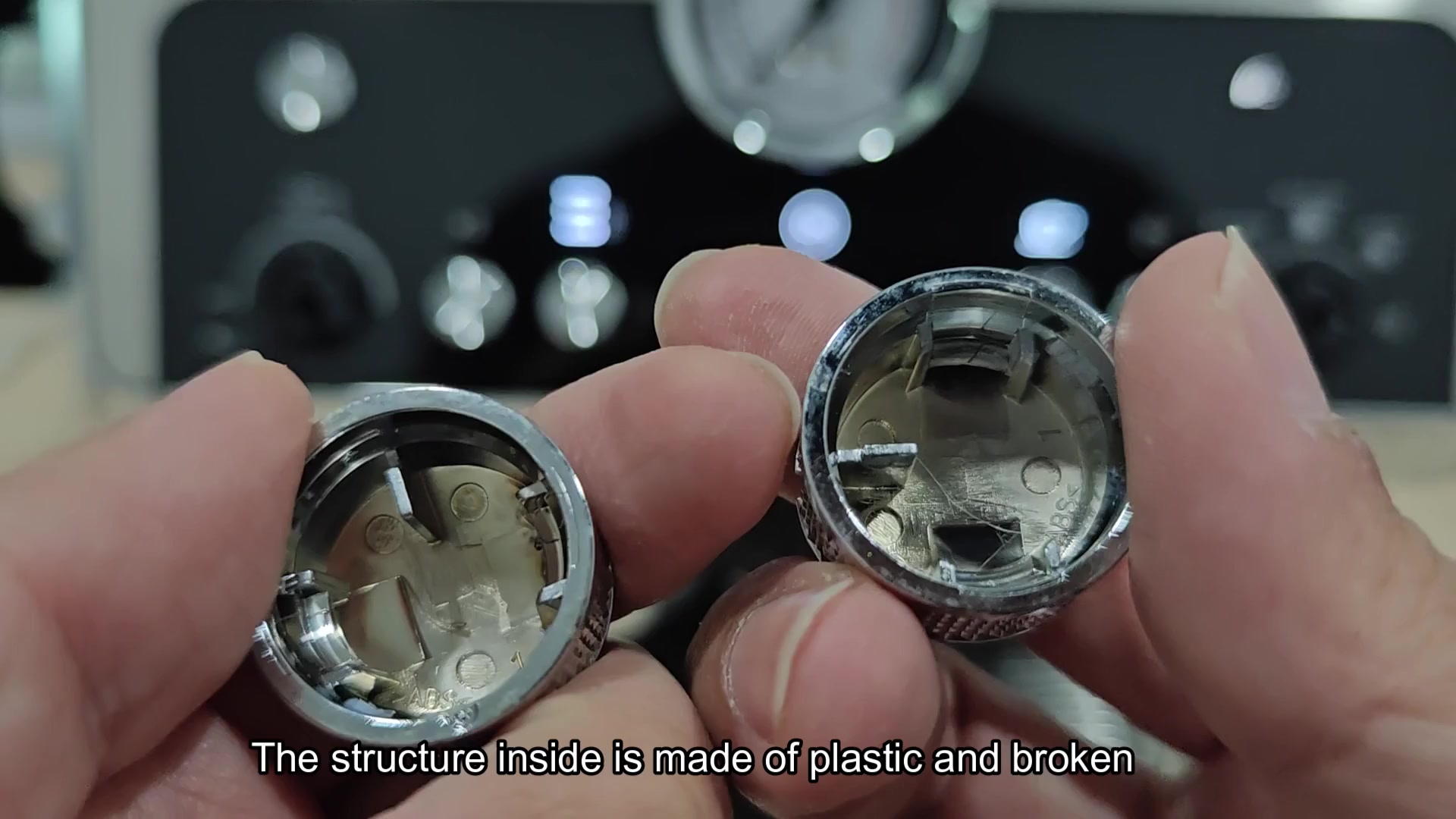
So this will help you know how to expect repairs to be done because you wouldn’t want any kind of metal glue in there. You need something more flexible like a sort of plastic glue.
Applying the Adhesive Fix
Since buying replacement parts can be expensive and takes time, it’s not necessary to throw out whole unit. The solution may just be an adhesive fix which saves you money and gets it working again different than changing the look of your machine. You don’t want messy globs of glue or obvious cracks in it, just smooth caps back onto the shafts. That means patience and some precision when applying it. Running it to fast results in a weak bond that fails soon.

This is a tube of plastic glue that bonds plastics to other plastics. There is not much glue here, but you want one that will stick. Squeeze a very small drop onto your finger and dab it where it needs to go. Glue will start running if too much squeezes out and runs onto the panel. It doesn’t drip right away like many glues do, and because it’s more of a gel, it stays put better on upright surfaces making clean up simpler.
Make sure the surface is clean, then apply adhesive directly to the broken internal tabs of one knob. The trick here is to get the cap positioned correctly when you put it back on as this makes it turn smooth later. Don’t have it cocked even a little bit because it’ll be hard to turn or not smooth at all. Get it positioned and keep it there while the initial tack holds. Repeat this process with second knob, being just as careful with both broken knobs.
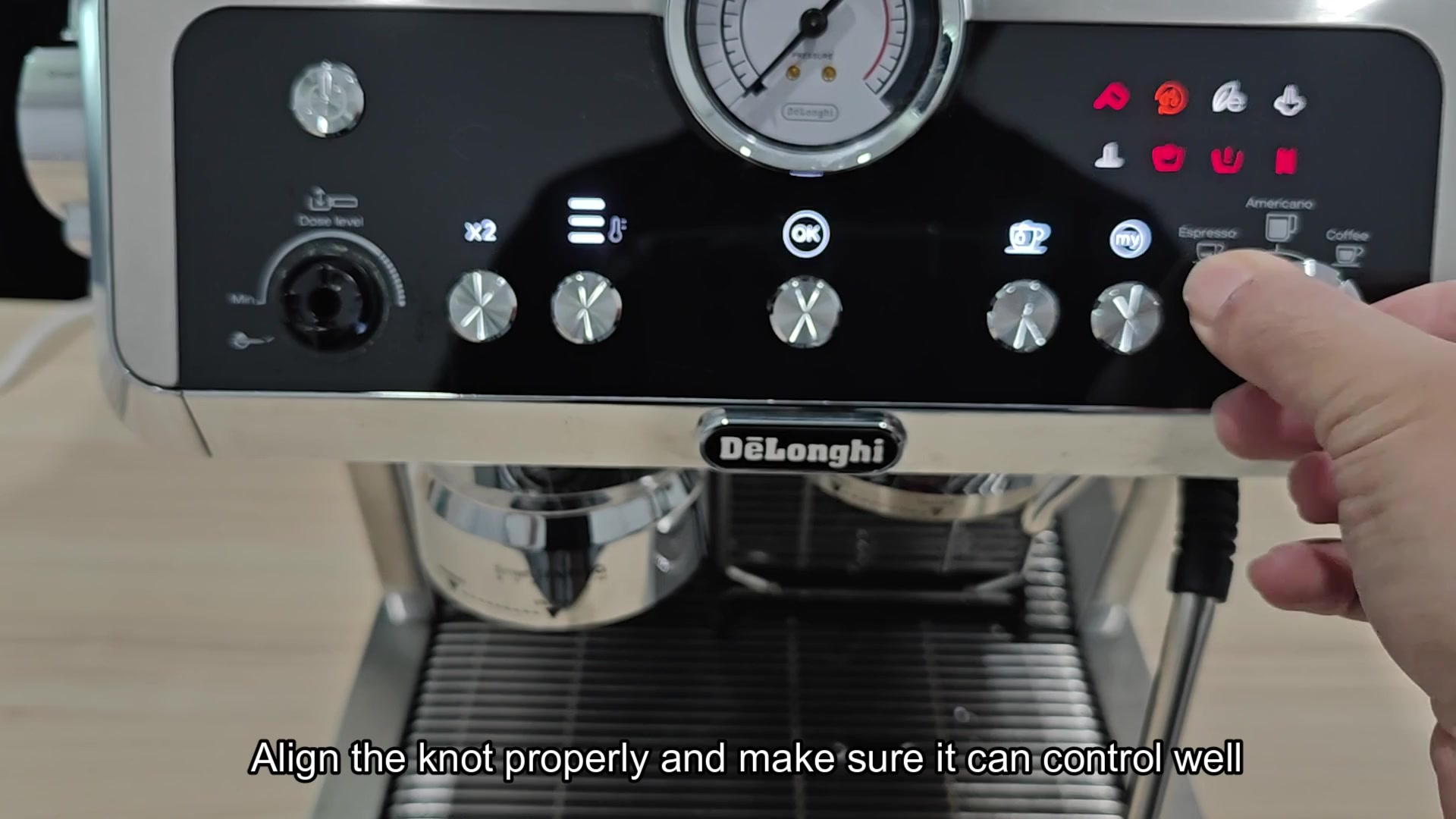
Drying time of plastic adhesives can’t be rushed, however, so patience is now your greatest asset. The forming bond will be broken if pressure are applied too soon, so find a location to set the machine where it won’t get bumped around for awhile. Total curing time allows for long-lasting durability. This step will determine if fix fails tomorrow.
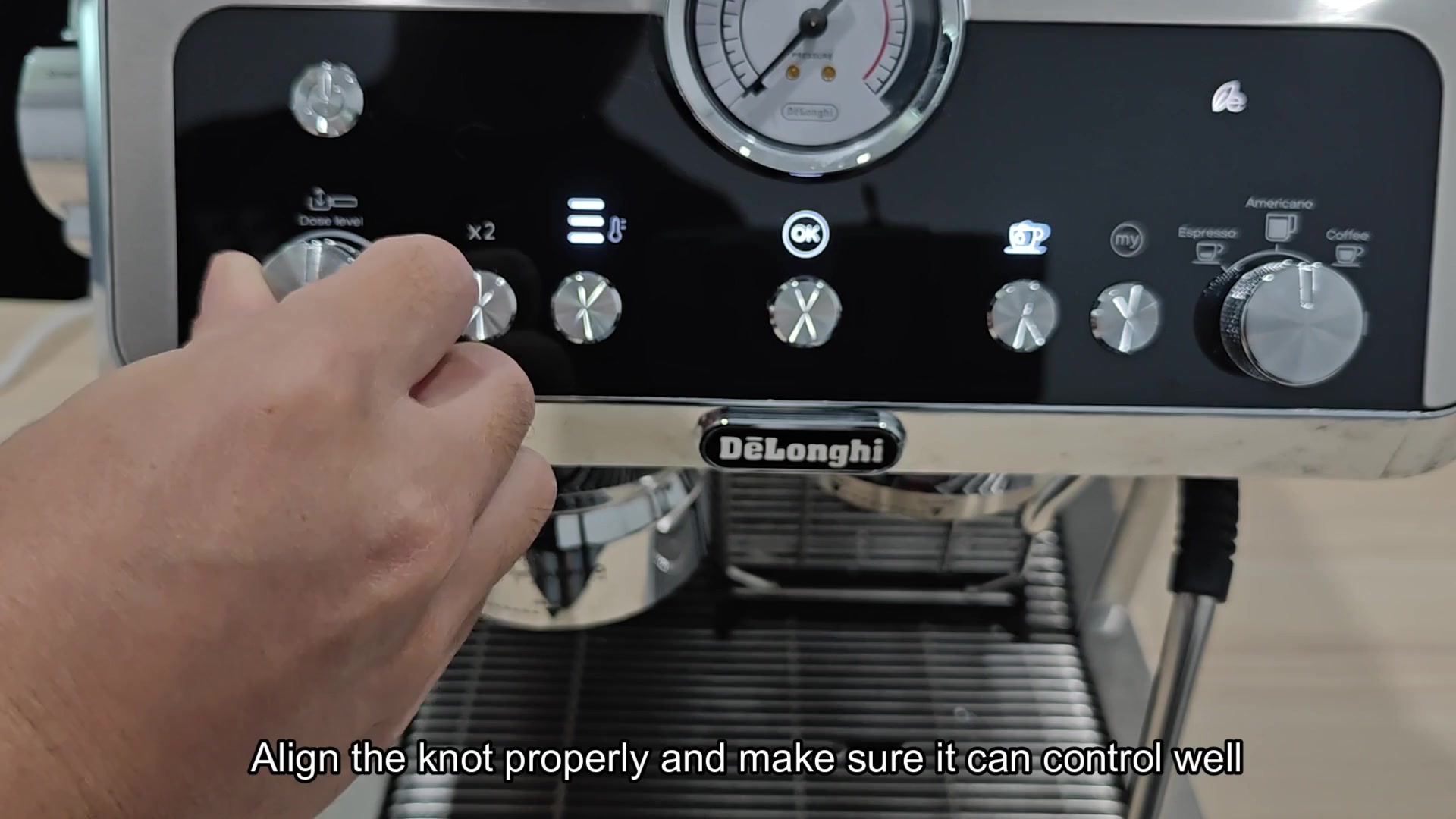
After glue cures completely, test the controls. This means they’re hard and won’t come off when you check with your fingertips. They’ll be firm to shaft of whatever knob they’re on.
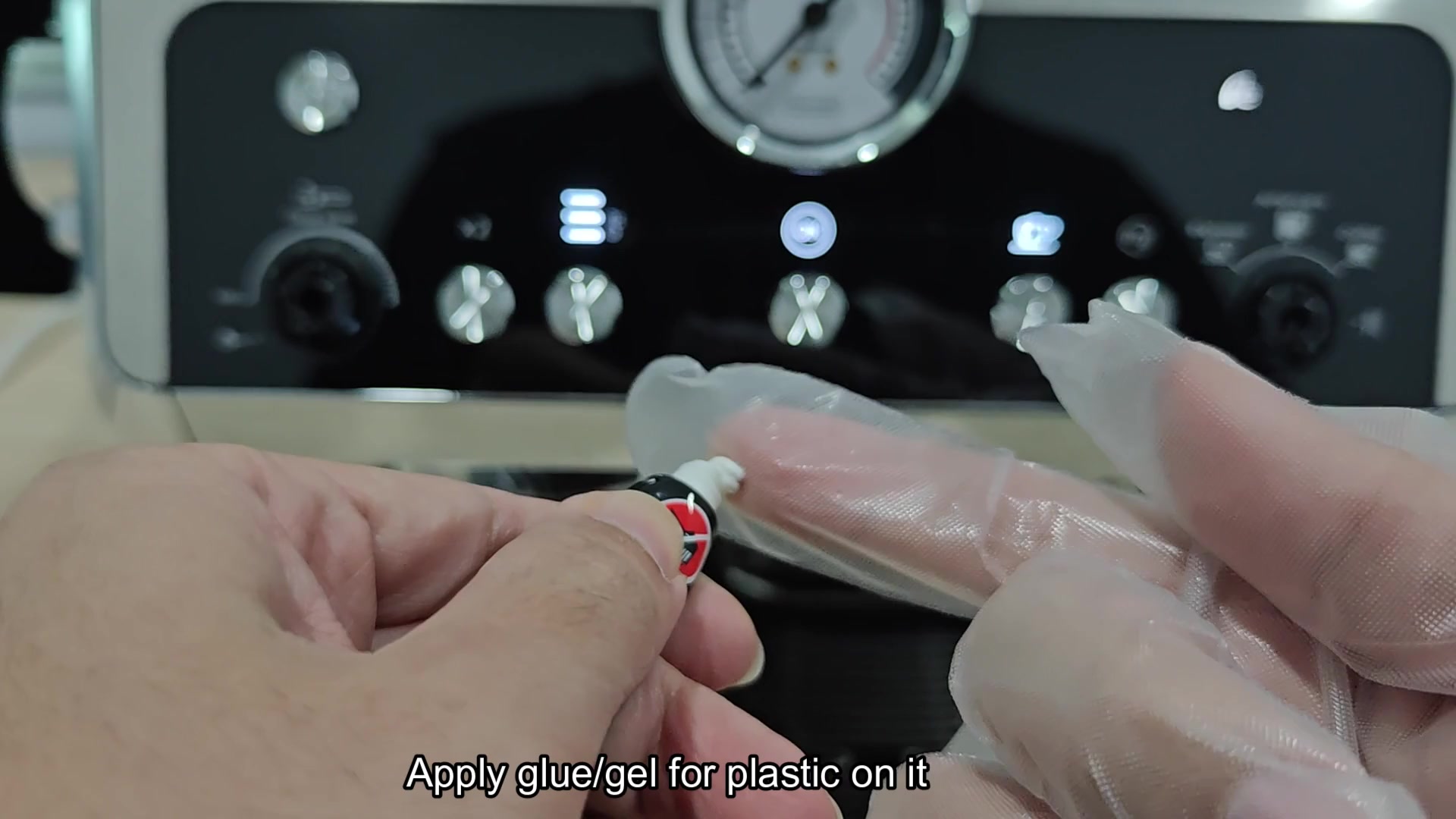
Be patient while you wait. Do not force anything; just let it cure naturaly to get the strongest possible chemical bond. The molecules need time to line up and forcing things along interrupts that process but it’s worth the wait as you get a lot more strength out of same amount of glue.
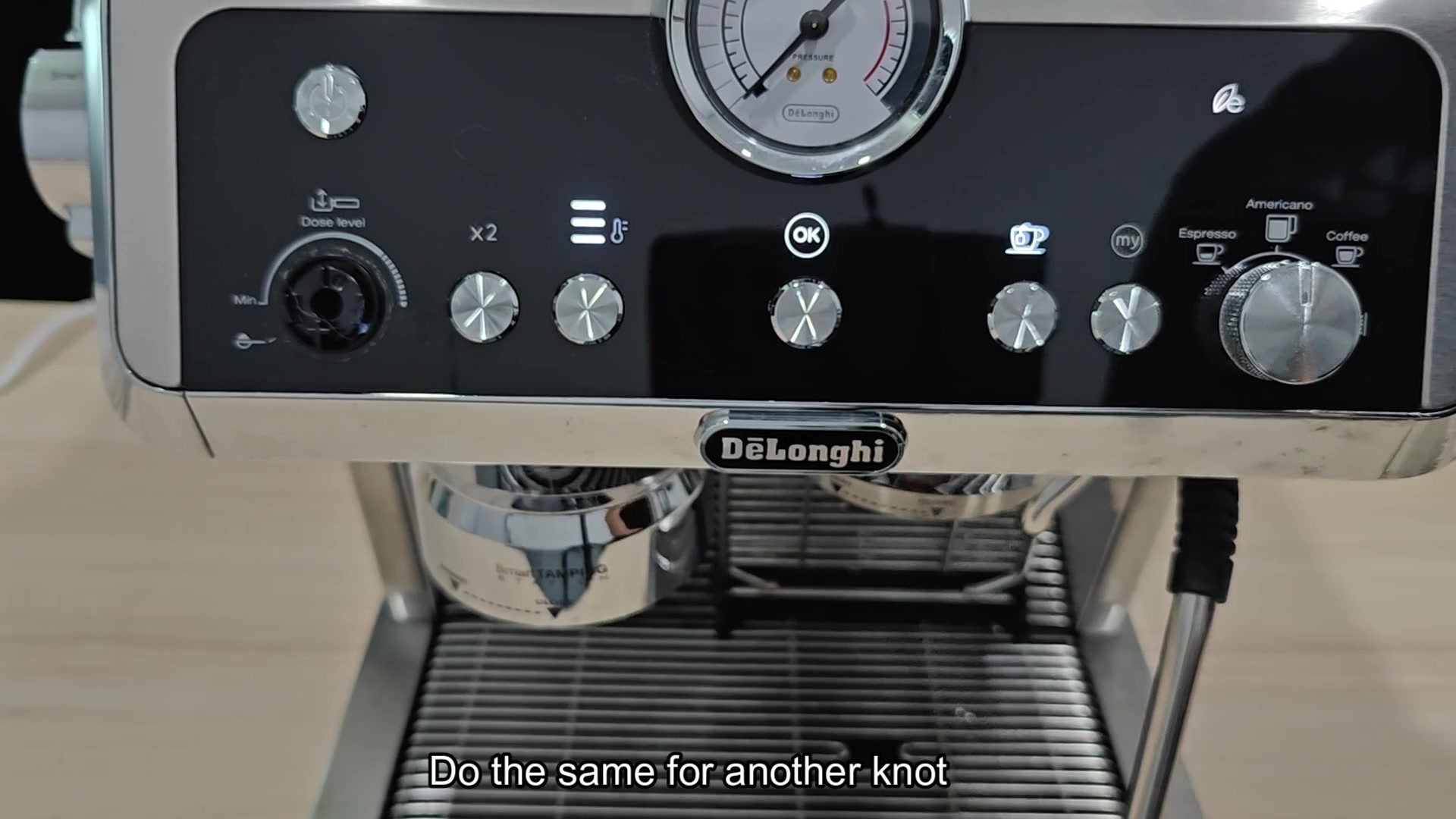
After it dries, test rotating both controls, making sure they rotate freely without any resistance or wobbling. The dose level knob on the left should have the correct amount of “click” when it engages, and the selector knob on the right need to work perfectly from one drink option to another. If you turn them by hand with normal force, there should be no grinding sound which would mean something is still misaligned inside. All the difference in usability comes down to aligning the knobs correctly. Now they runs the machine settings correctly and reliably.
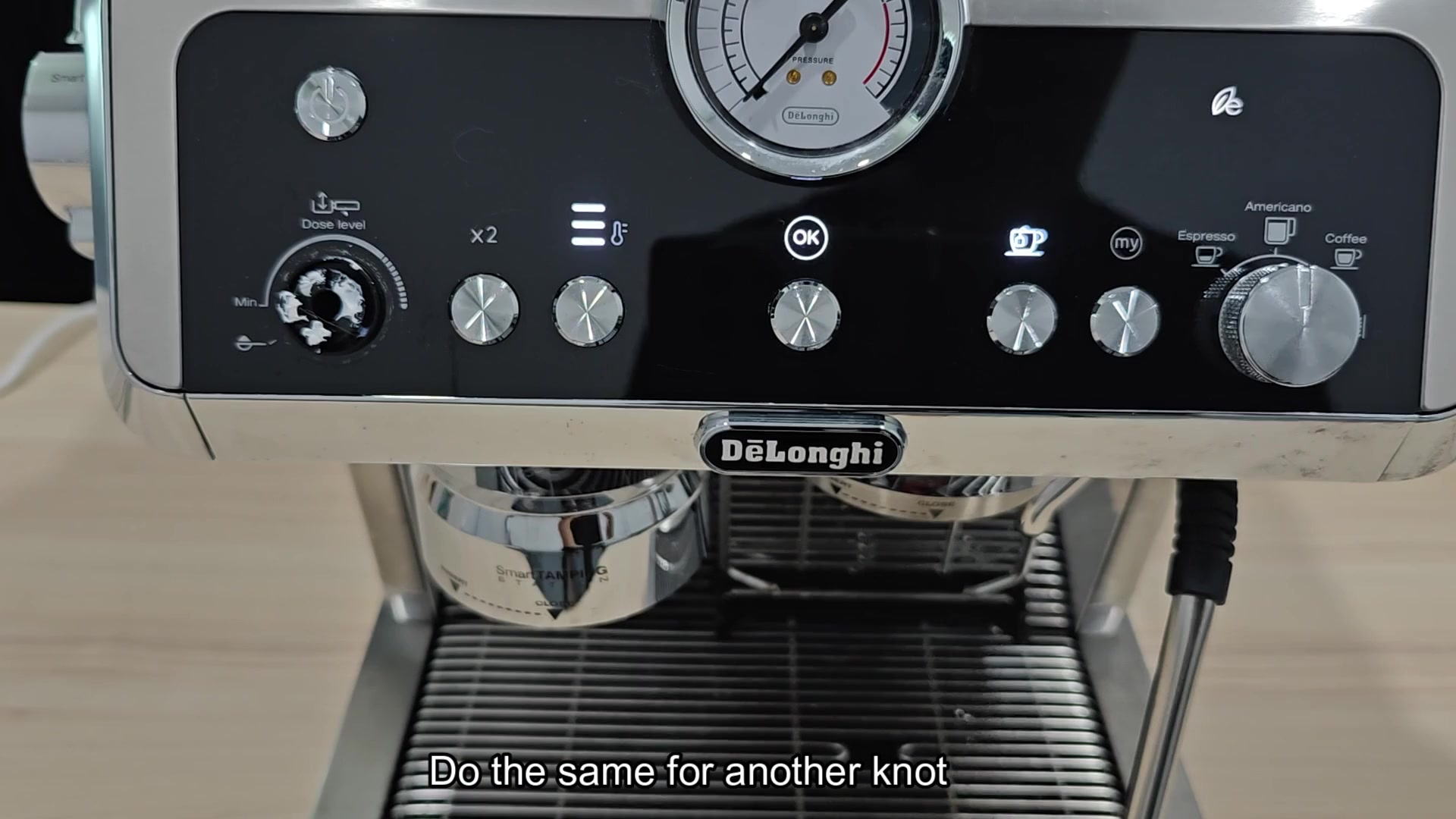
The connection appears strong enough that I don’t think about it every day, but also doesn’t fall off when pressed into place.
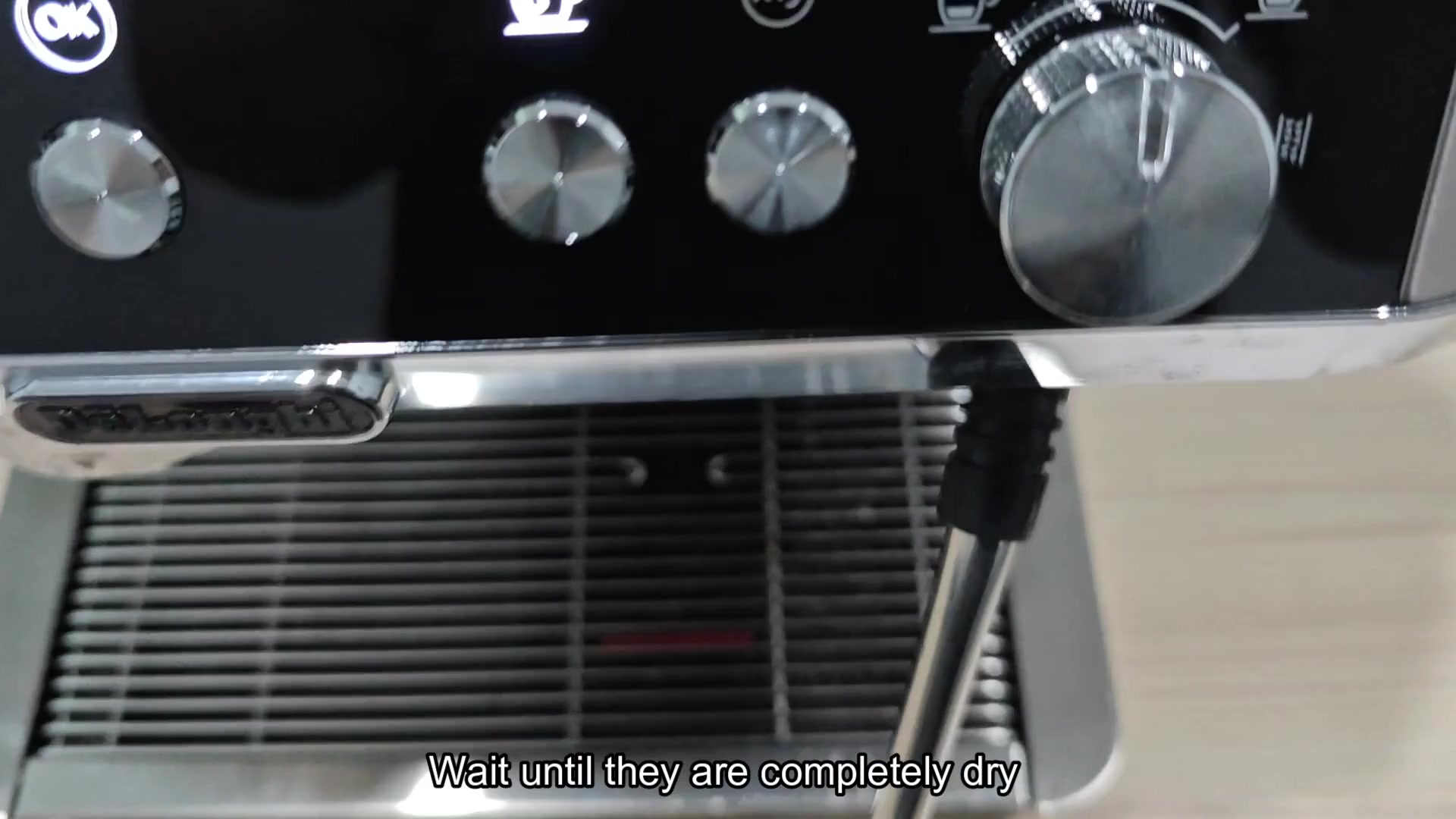
The front panel interface is now fully functional, so you can go ahead and use your espresso machine with confidence, knowing that all components will stay where they belong.
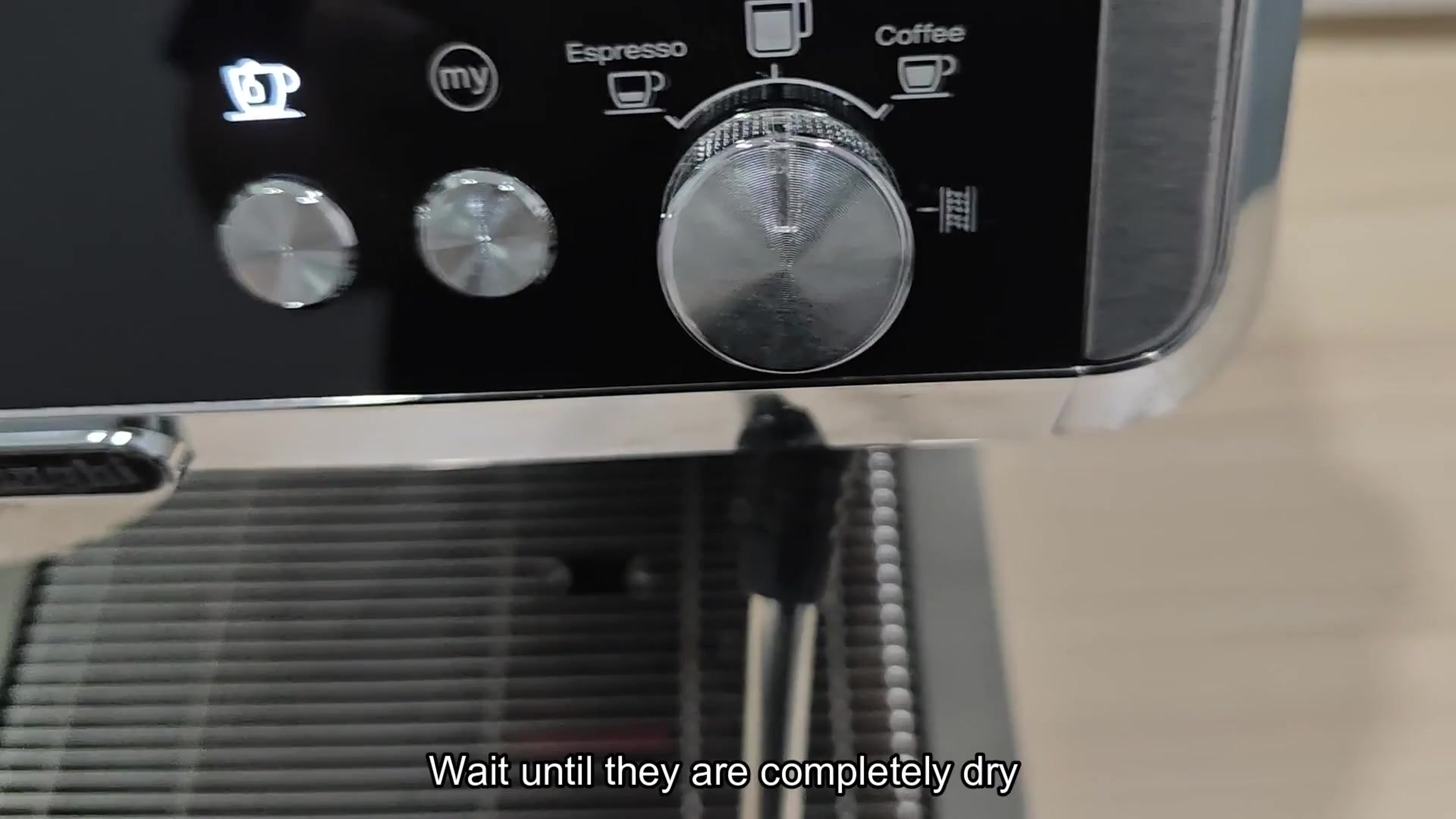
All-in-all, it was a very straightforward process which only took me under an hour (including time for things to dry) and did not require any special tools besides the glue.
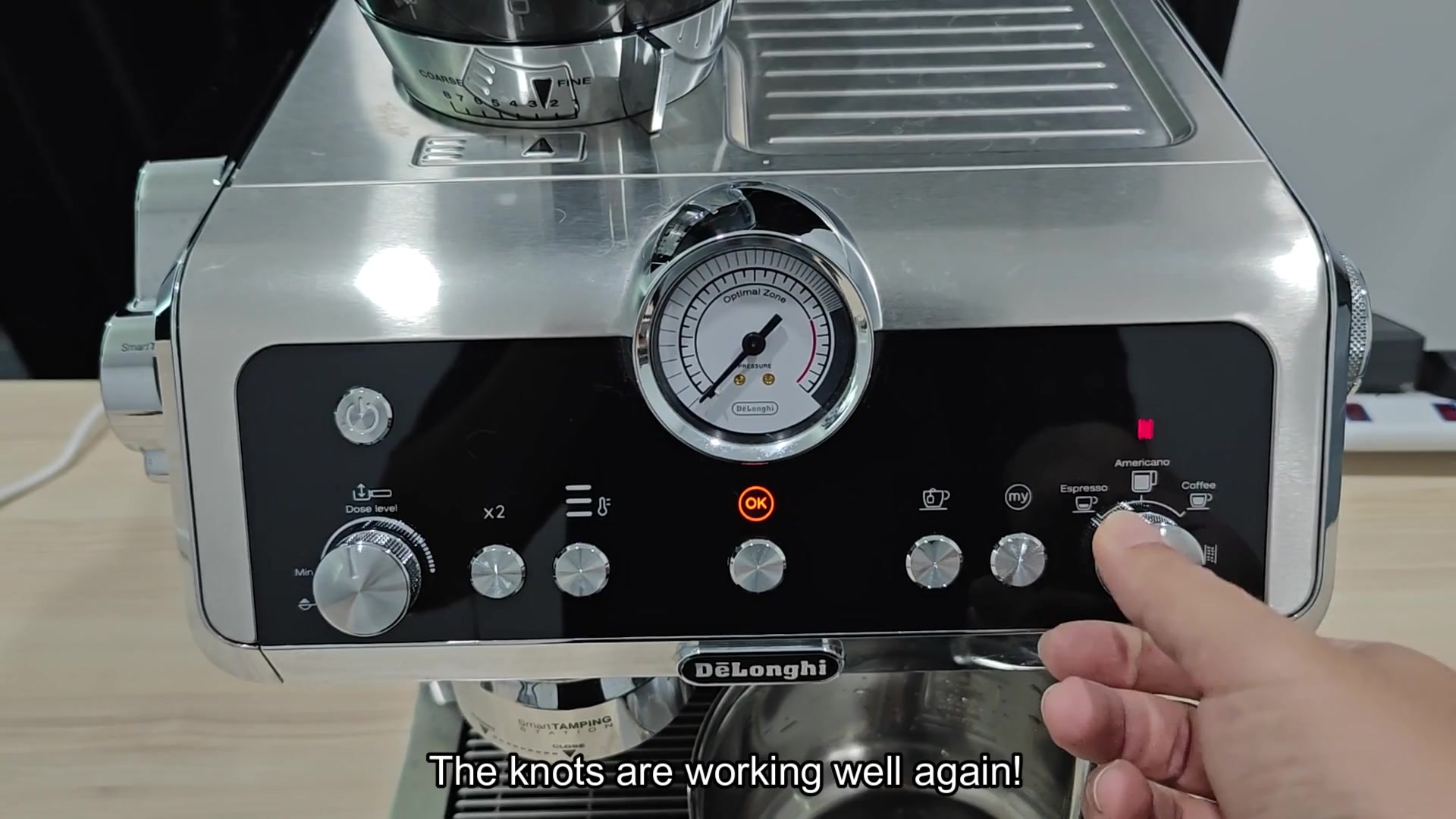
Because plastic parts are the weak link in most home appliances, this solution allows high-end coffee makers to last much longer than anticipated. It prevents money from being wasted on buying new appliances. It also teaches us how to repair devices when they break, which increases product longevity and reduces waste.