
Its Cappuccino and Hot Milk options is distinguished by mechanical adjustment different than a menu system: turning the steam wand adjust how textural it is. There’s also a button each for Long, Coffee and Espresso on the control panel.
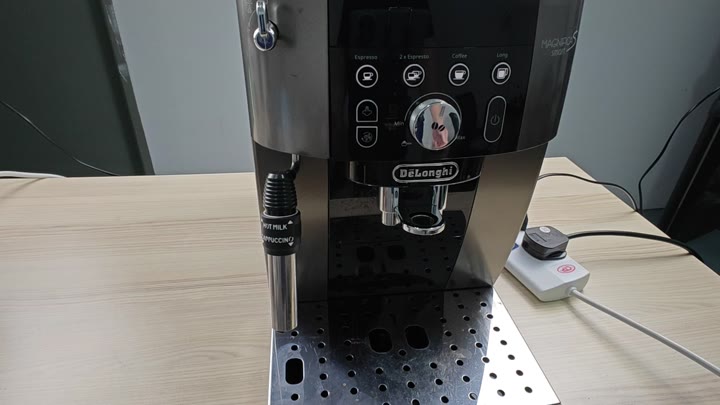
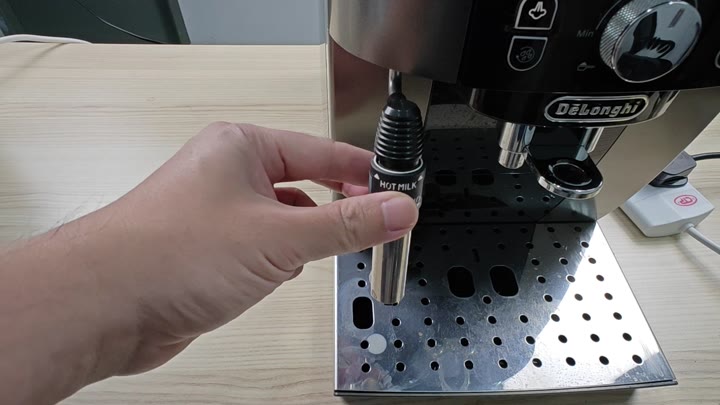
Two labels are printed on the steam wand base. The left one read “CAPPUCCINO” while the right one reads “hot milk”.
Understanding Milk Texture Options
How they are executed make all the difference in the beverage.
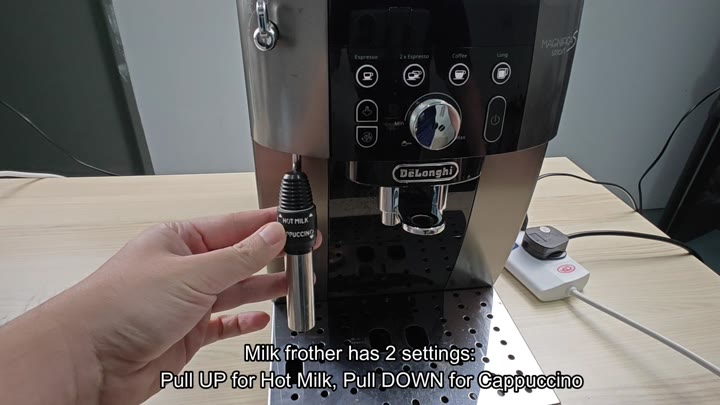
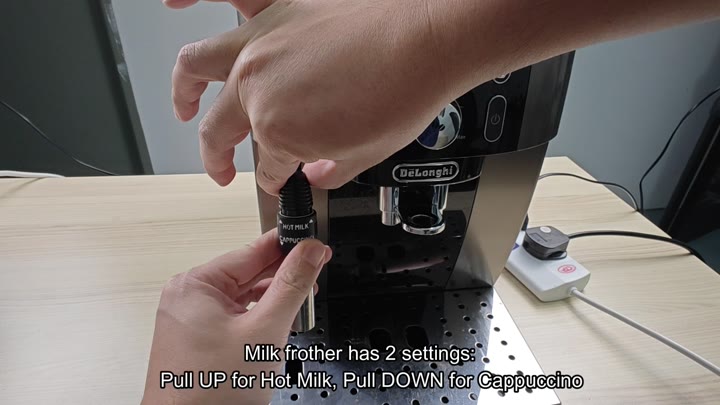
It’s tactile. It’s mechanical. There are no confusing menus that you have to sift through in order to switch modes. For instance, the milk frother attachment only have two physical option. Pull the wand down for cappuccino mode; pull it up for the hot milk function.
It alters the milk’s texture.
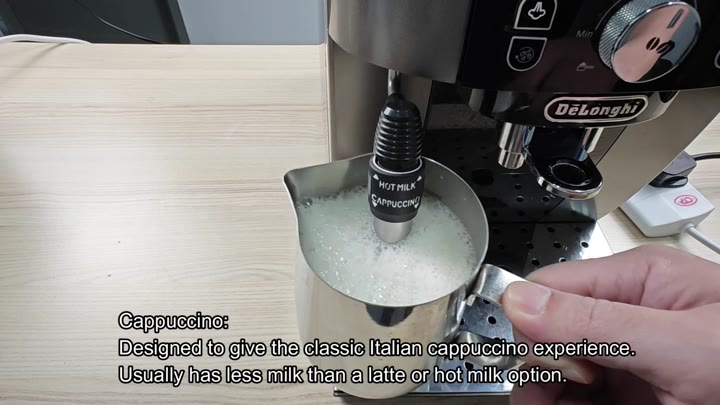
Test out the cappuccino setting by pulling the wand down. The cappuccino setting are meant to add air. It add a lot of air to the milk.
The milk creates a light and airy froth. It’s topped with a nice thick layer of foam. The high amount of foam make it good for a classic cappuccino.
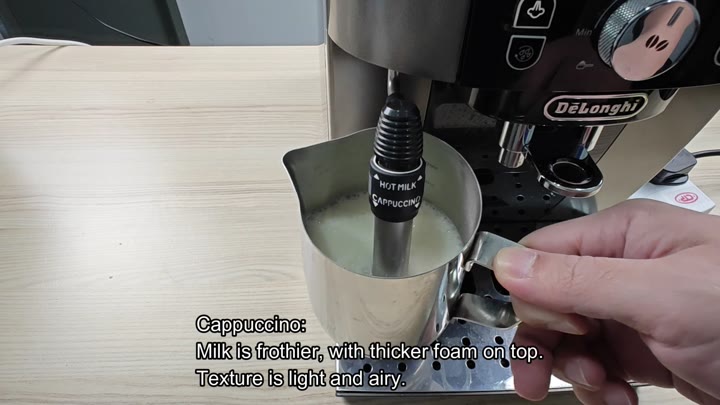
The foam separates from the liquid. A cappuccino should of been frothy. It’s light and airy. There’s not as much milk as there is in a latte. It’s all about the structure of the foam. The espresso sit beneath the foam, which floats on top of it.
To prepare, you pull the wand up (not down) to activate the hot milk setting. This isn’t the same as the cappuccino setting. Instead, it heats the milk with little to no froth.
The result is a creamy, smooth consistency. Essentially, it add very little air into your liquid. This is ideal for latte drinks.
This mode is perfect for lattes.
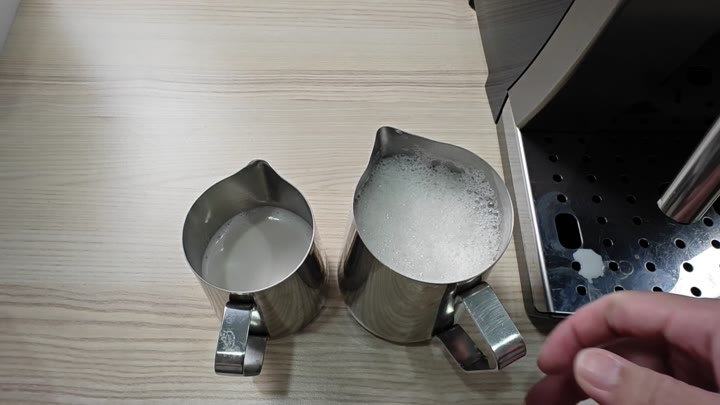
This can be used on warm milk or even hot chocolate. What’s evident in the two pitcher? One has few bubbles and smooth, steamed milk. The second pitcher have thick white foam. It make a huge difference. There are distinct differences in the textures.
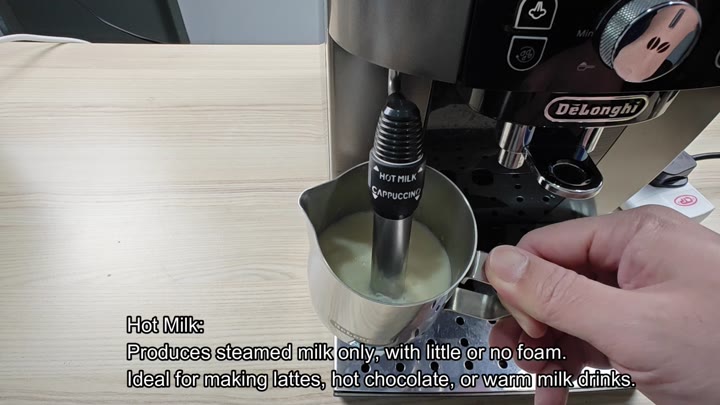
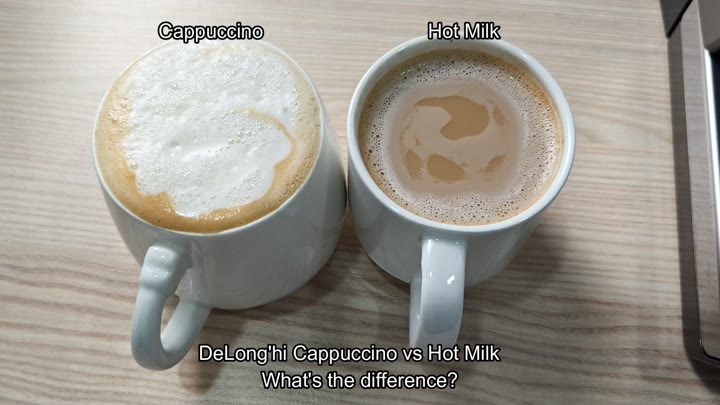
A smooth, creamy mug of hot milk. There is a thick cap of foam on top of the cappuccino mug. You can see the drink below the hot milk. The foam on the cappuccino hide the drink.
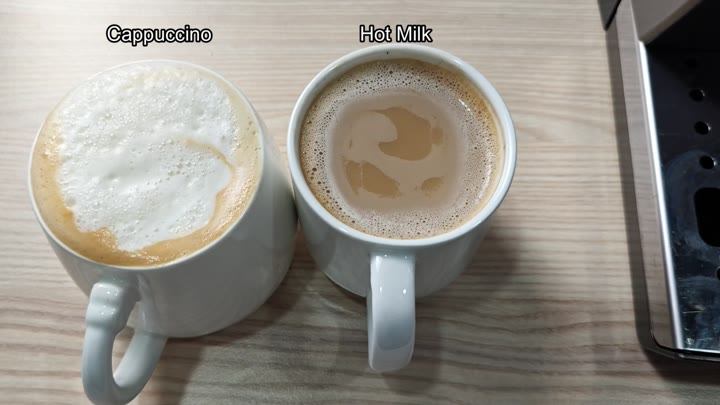
This visual difference matches the taste expectations.
The visual contrast lead to taste expectation.
For example: If you want to make a cappuccino, you pick cappuccino mode (thick, airy foam on your milk). And if you want a latte (hot milk only), you select hot milk mode (little-to-no-froth).
It’s all about use case. Pick hot milk mode when making a latte. Pick cappuccino mode when making a macchiato. There is no such thing as wrong or right.
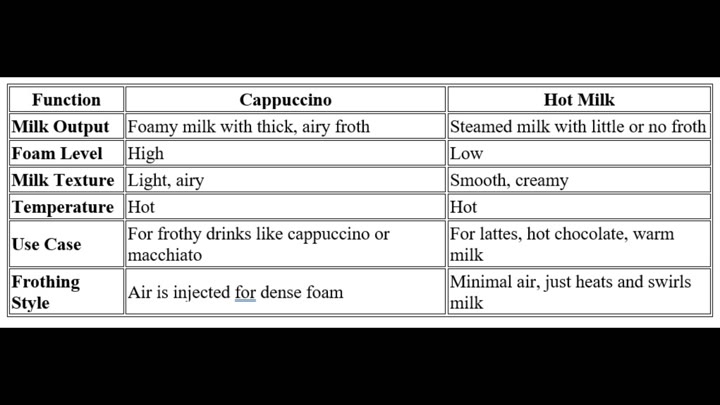
It’s a matter of personal preference. Some days you want the smooth texture. Other days you want the heavier foam. It’s nice having that option in one machine. You don’t have to guess what setting to use. Pull up or pull down and there it goes. It’s actualy quite simple.