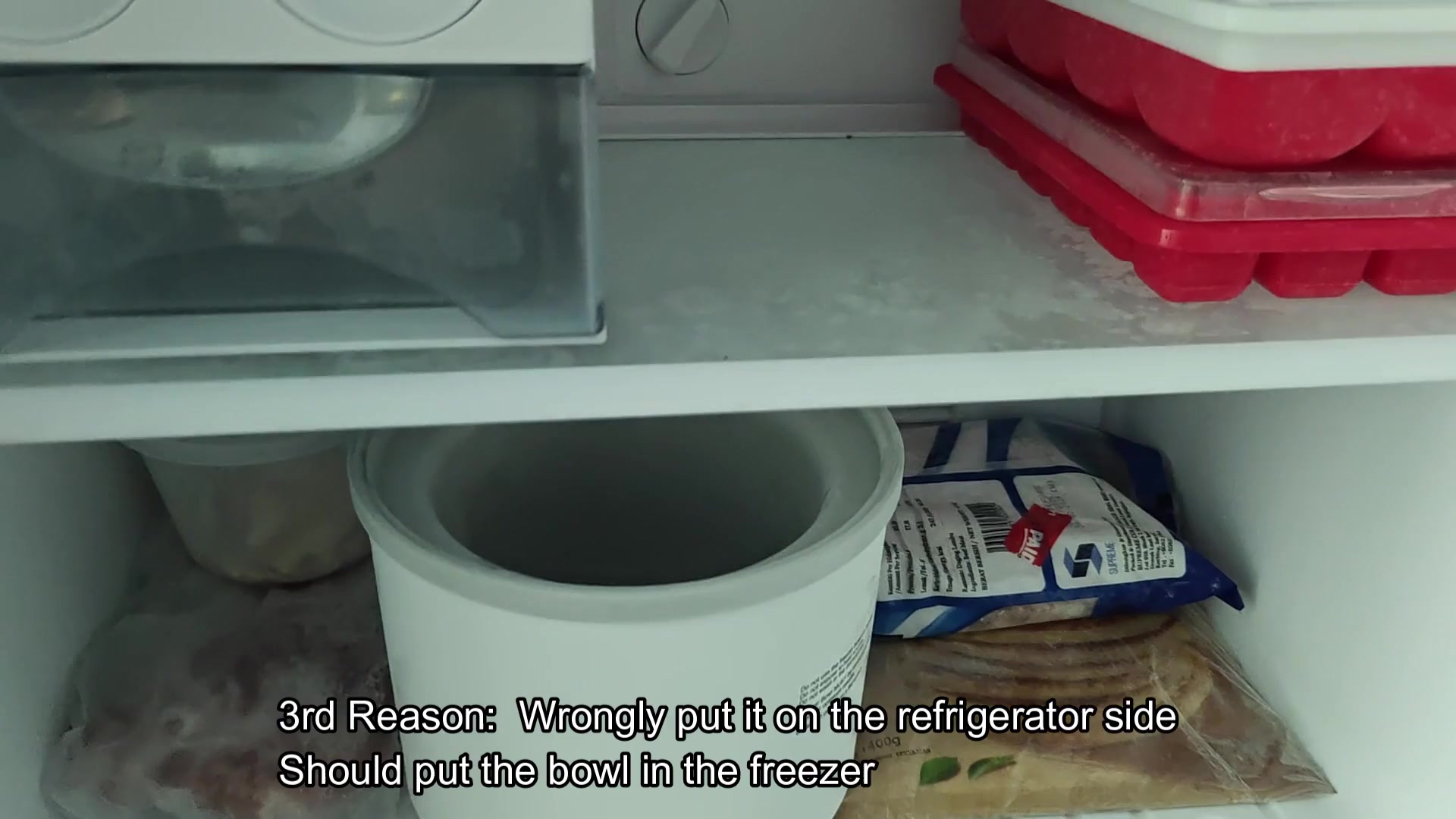
It happens: An ice cream maker’s motor hums along fine, but won’t freeze your mixture. If it did work for you in years past, you’re not alone. Usualy it’s not because anything is broken and the solution lies with some simple set-up mistakes. Here are three places to check that often cause freezing issues.
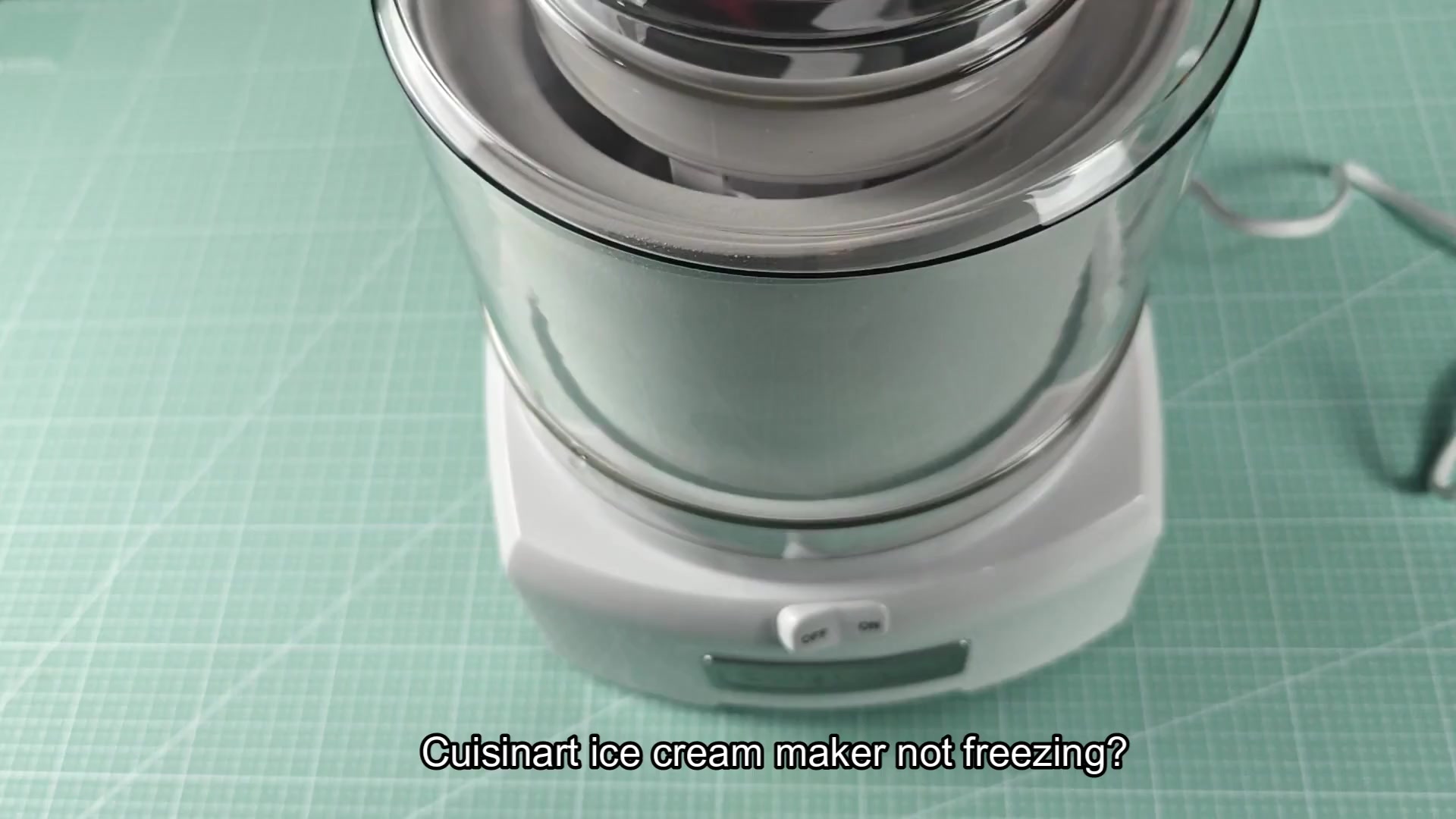
First thing to look at is the freezer bowl itself. Because these machines use a pre-frozen bowl to chill the mixture, the bowl has to be totally solid to do its job. Before placing the bowl onto base unit, gently shake it to see if there’s still any liquid in insulating layer between walls. You’ll hear a sloshing sound if that’s the case.
Checking Freezer Temperature Settings
For the thermodynamics to work properly, internal gel needs to be rock hard. When you hold it up, can you feel give or hear it moving? If so, then the bowl isn’t ready yet. This is what causes majority of users to think they have a broken machine, but all it really needs is some more time in freezer.
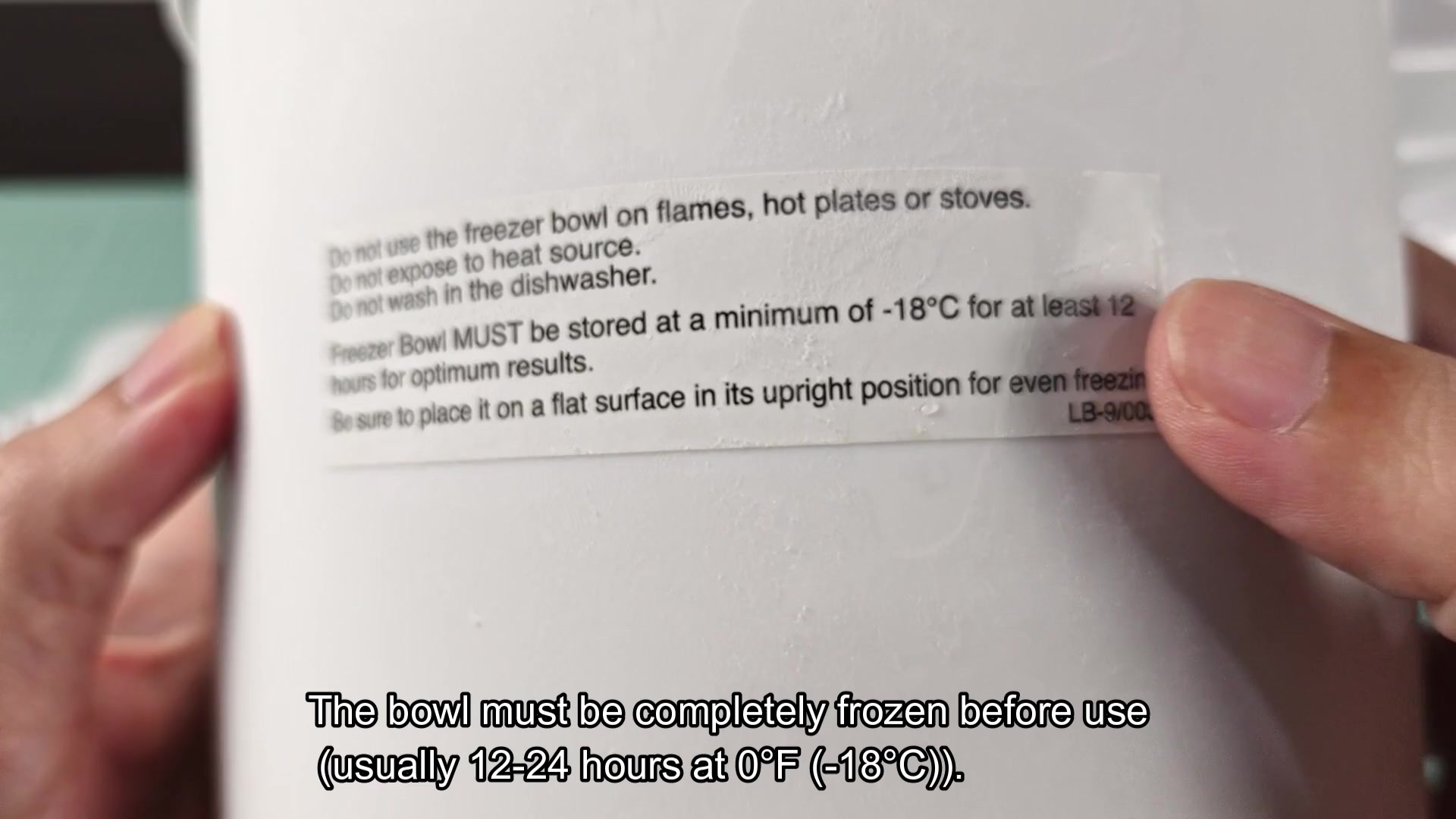
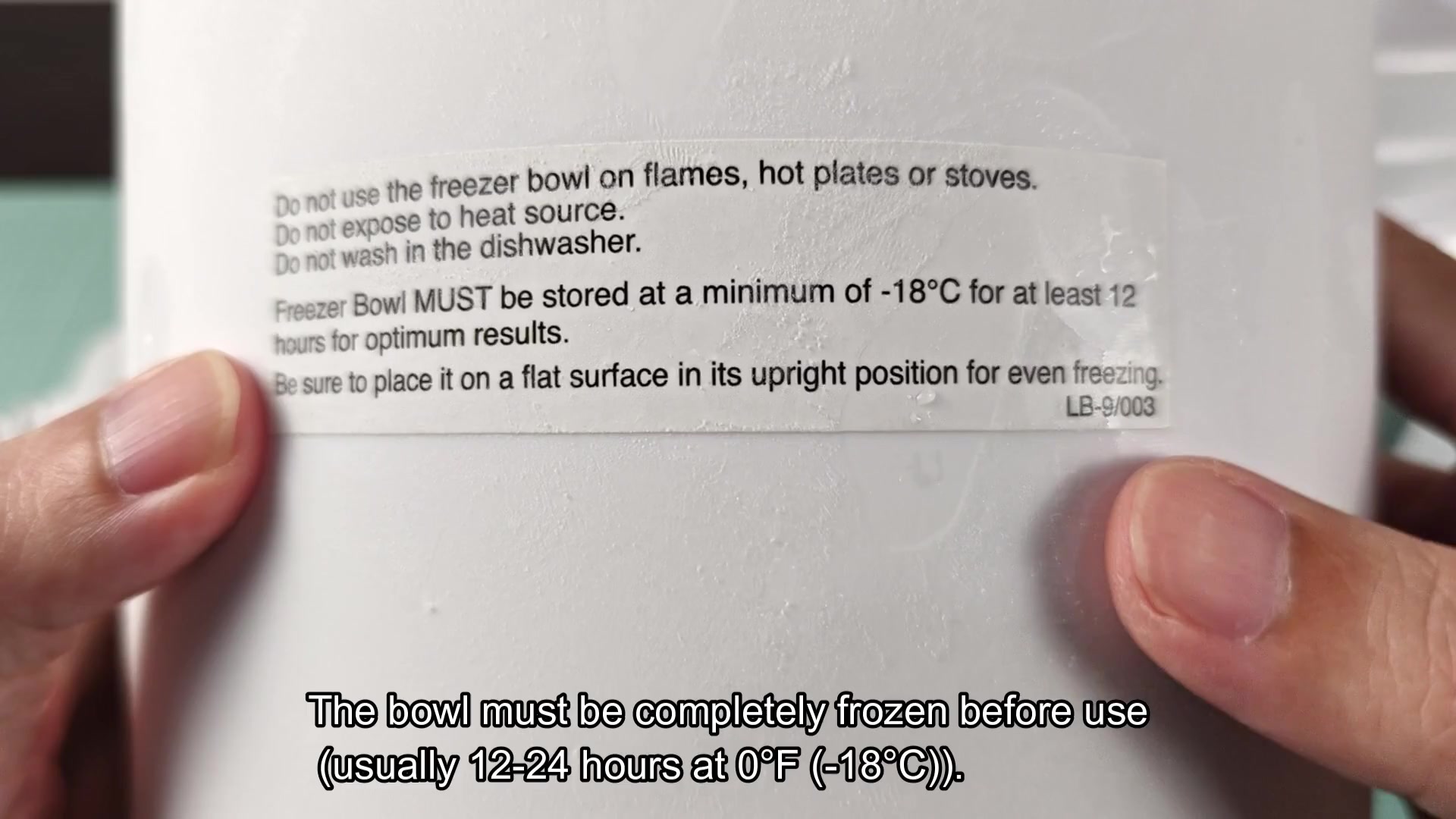
According to directions, you’re supposed to let the bowl sit in the freezer for no less than 12 hours at -18 degrees Celsius. Rushing it is recipe for disaster, so throw the bowl into the freezer and go to bed (or work) until morning. Even though it might not look like it on the outside, the bowl need to completely transform inside the ice shell. Don’t cheat yourself by not waiting long enough and don’t touch it until it’s rock-solid.
Secondly: How cold is your freezer? When you store leftovers in there, normal settings are likely fine. But when we’re talking about ice cream production, really, really cold is what’s required.
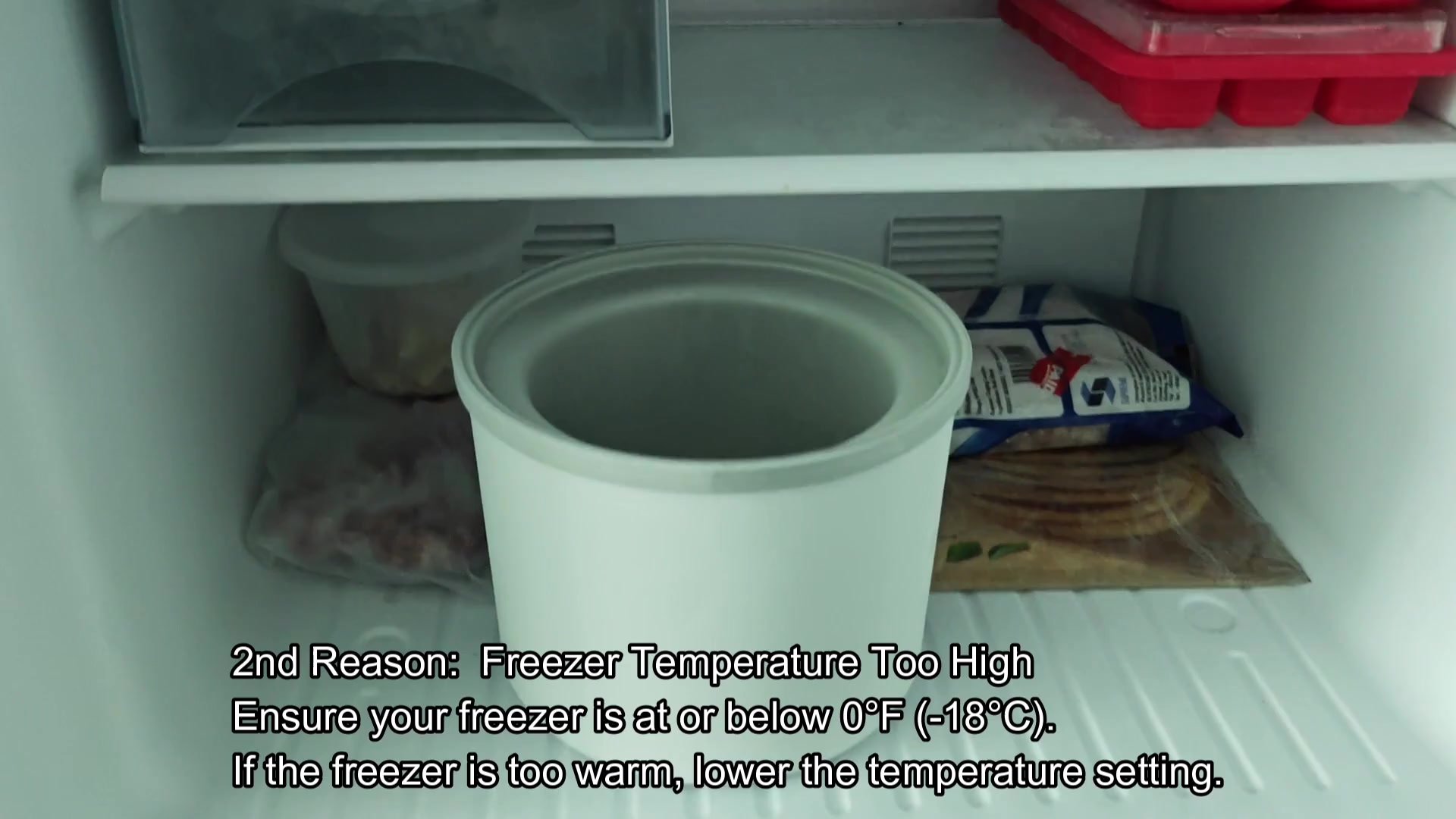
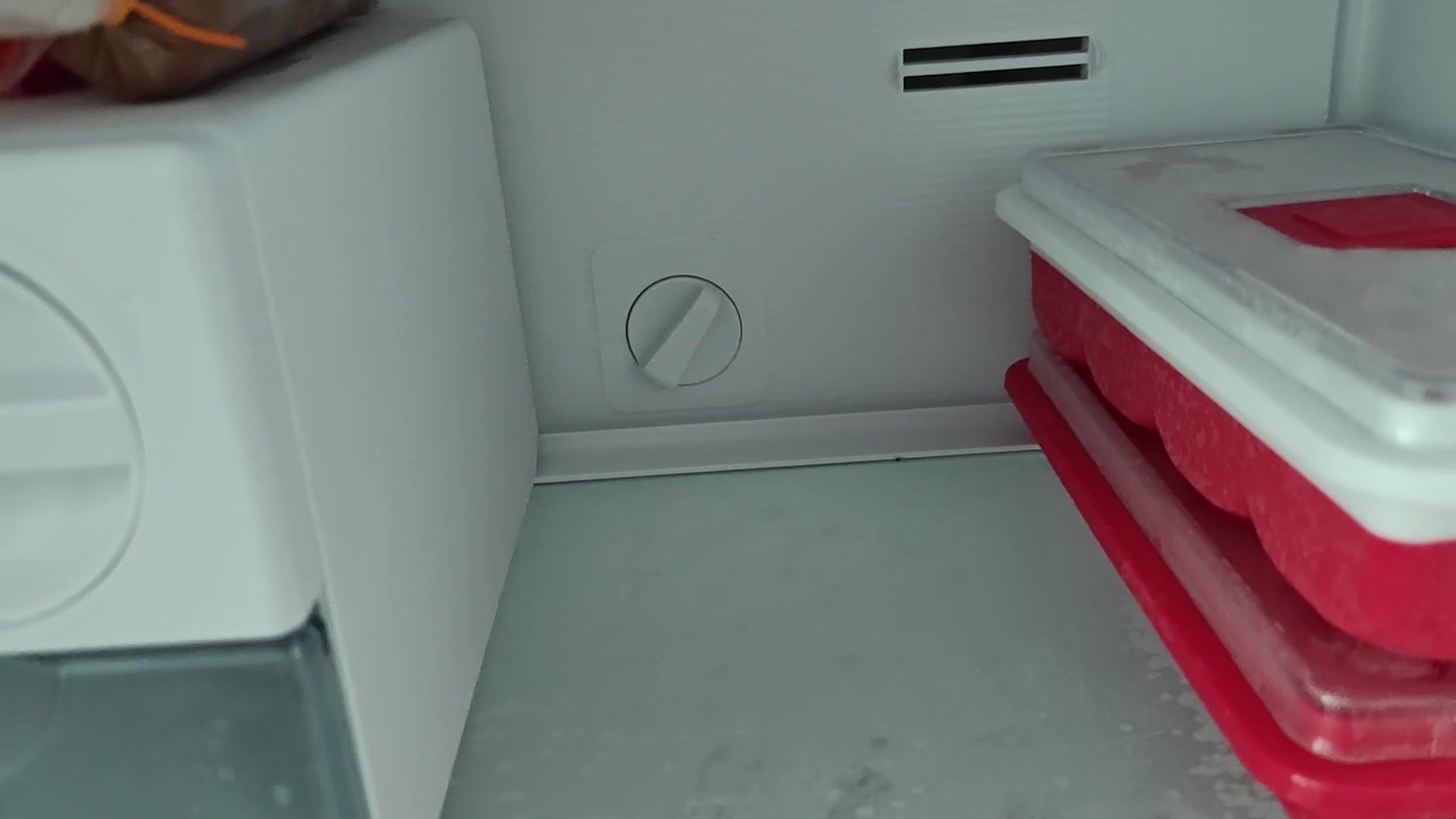
Most home freezers has a dial located somewhere on the back wall of their freezer compartment. Set that dial to its lowest position and that will ensure the air within your freezer maintains a temperature at or below freezing consistently. In other words, the bowl has no hope of achieving proper temperature difference compared to warm liquid mix if your freezer can’t maintain consistent temperature. Adjusting this down will help control the temperature surrounding the bowl.
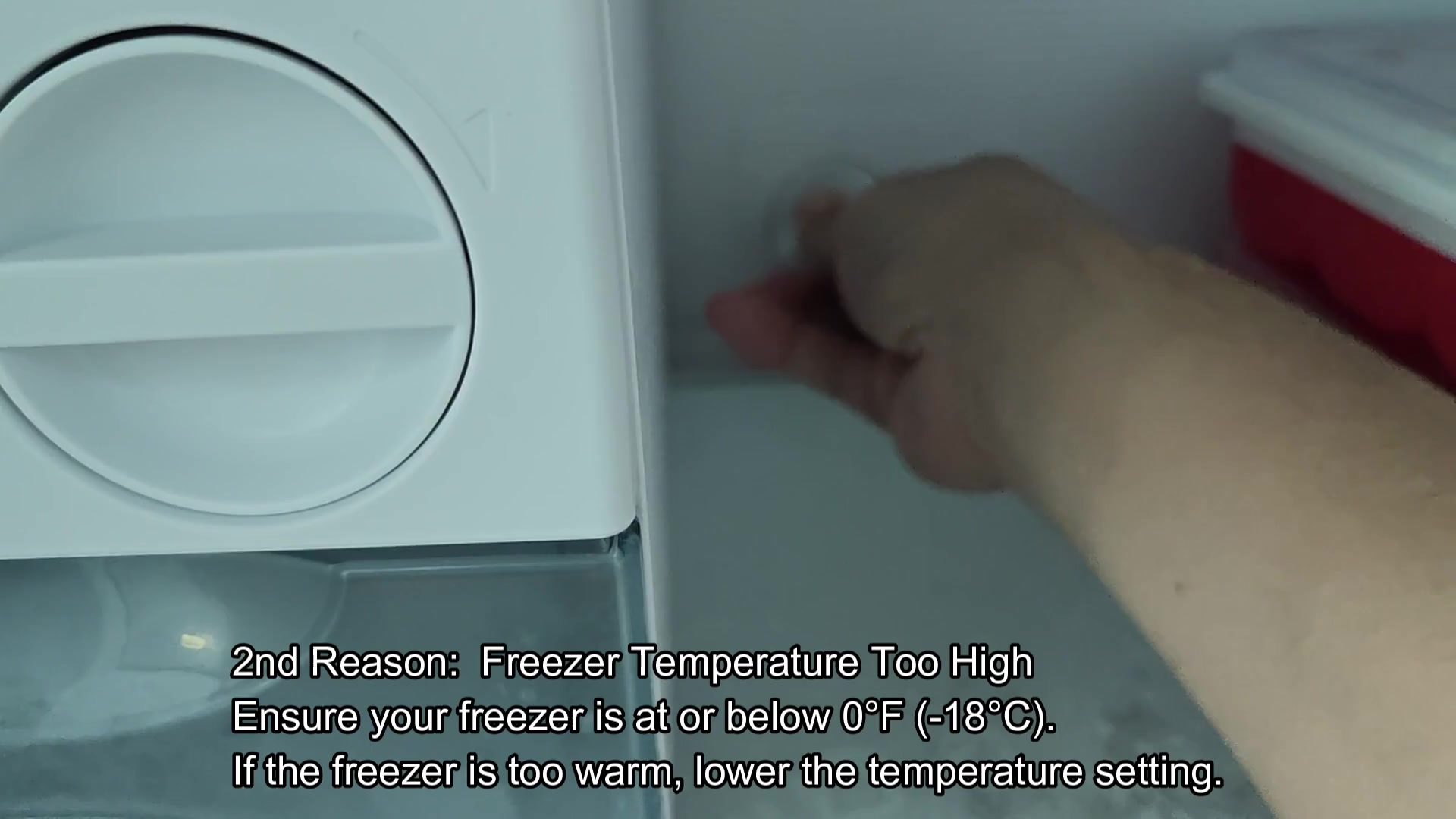
If your freezer isn’t very well ventilated, or you’ve got it overloaded with stuff, some freezers will not get super-cold. Ensure that your freezer section has enough room for cold air to flow freely all around items inside. Ideally you want everything as cold as possible while churning. This tweak, in particular, can make a big difference in how fast the mix gets thickerer.
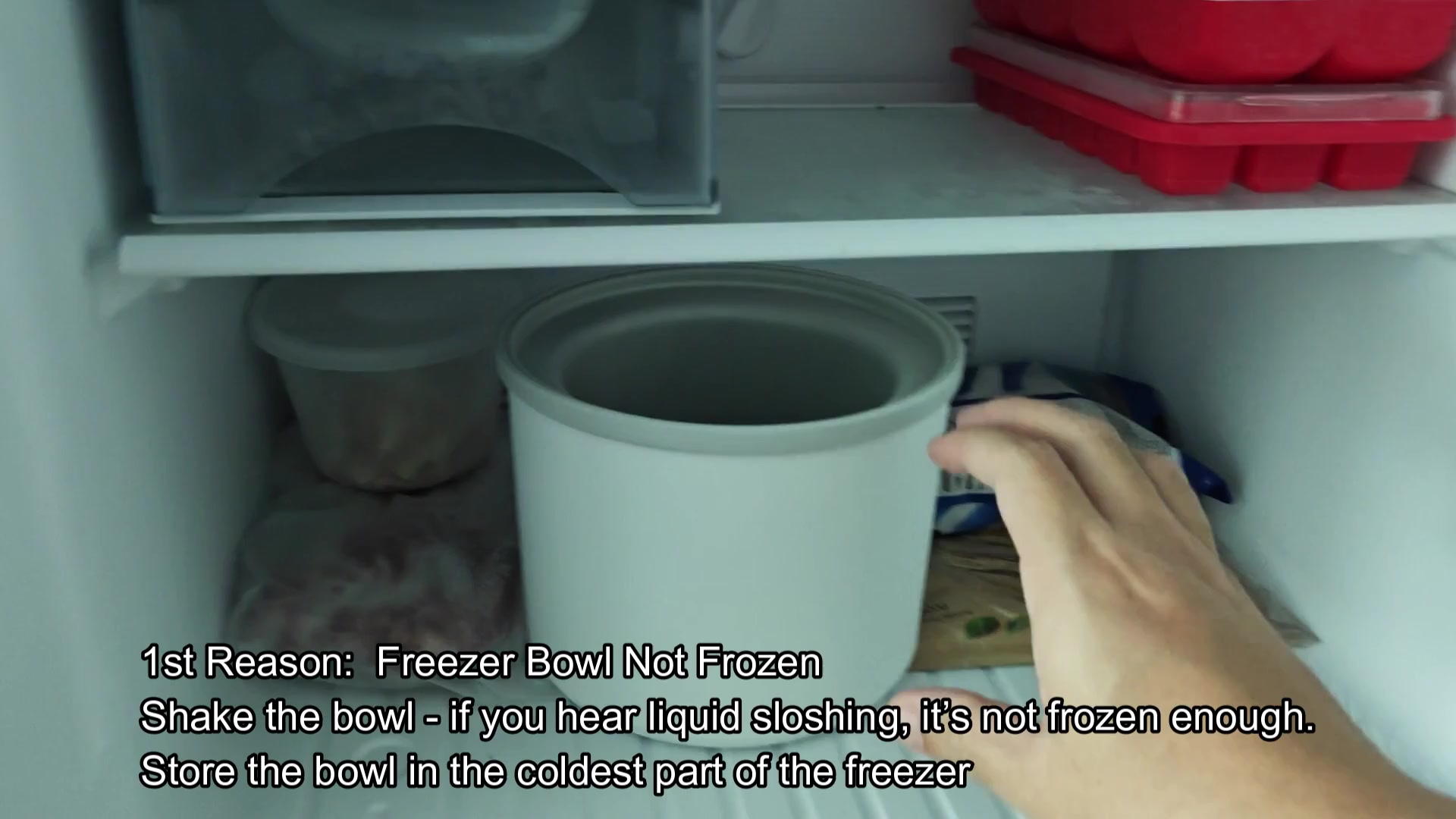
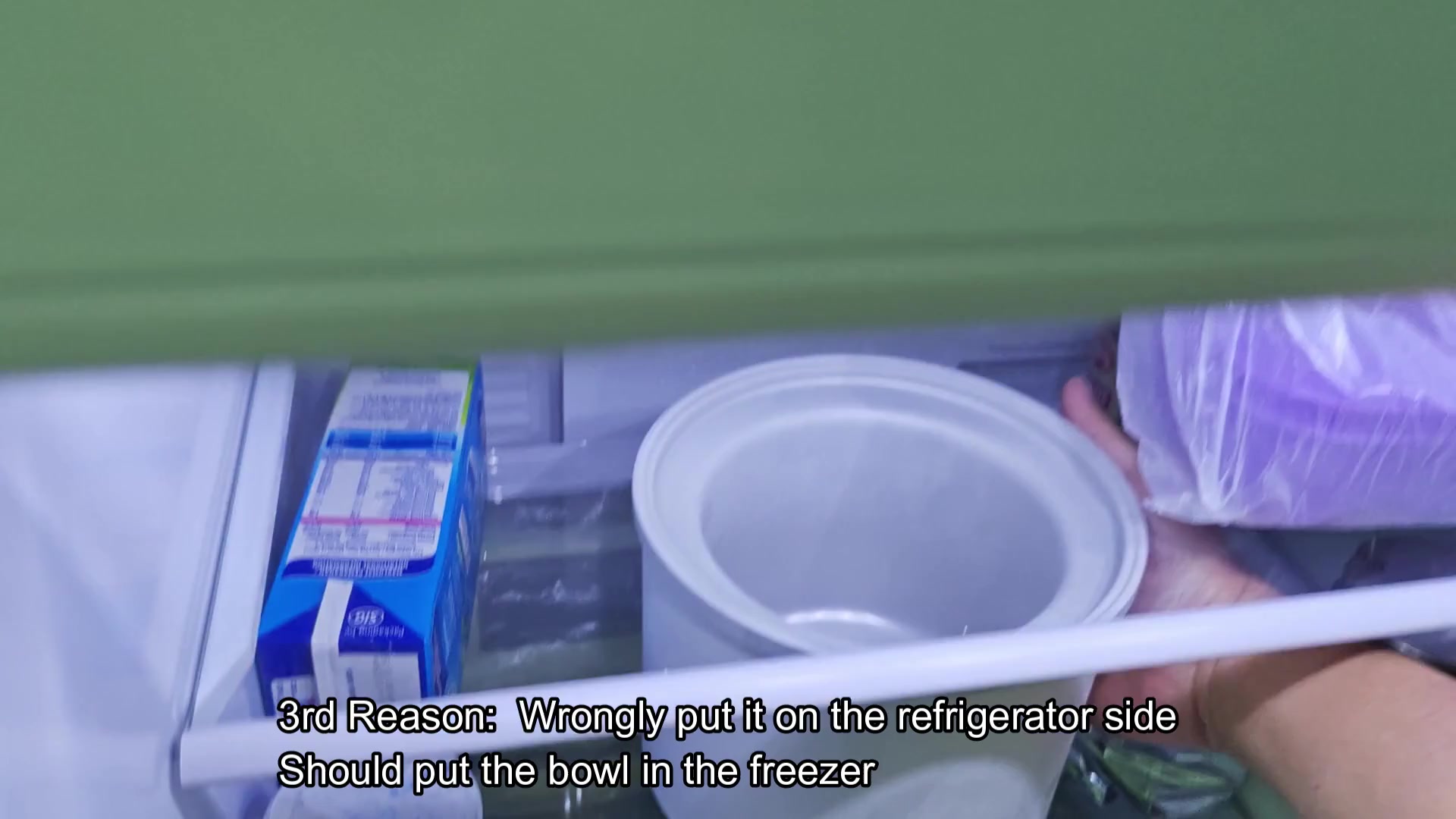
The third issue is quite easy to avoid: misplacing the freezer bowl. Yes, this can happen if you put it in your refrigerator’s section for fresh foods rather than its freezer compartment. The temperature difference is huge and water-based solutions don’t freeze on the fridge side.
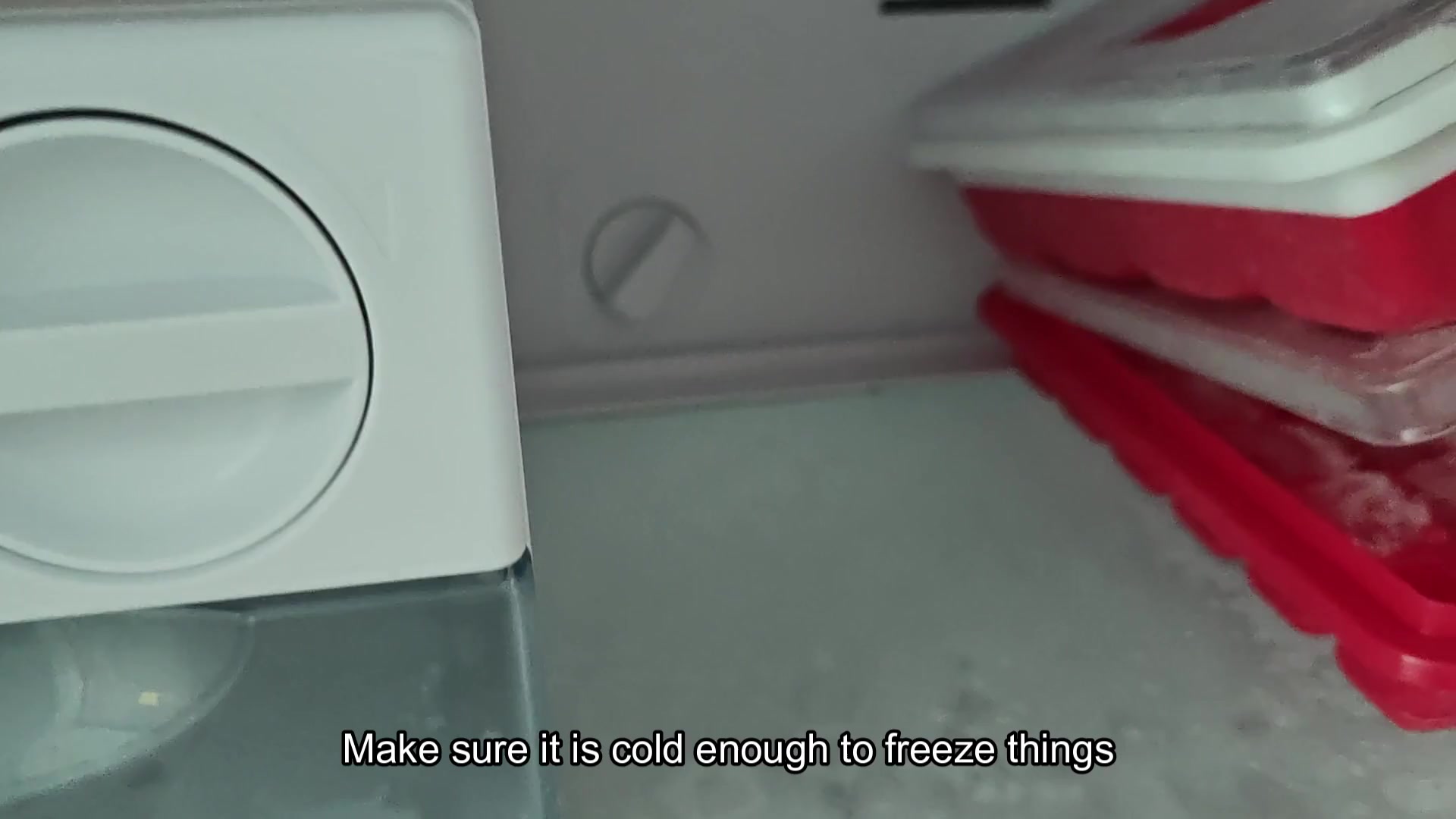
It’s also very possible that the freezer bowl was surrounded by condiments and veggies and simply didn’t cool enough to start freezing. It’s an all-too-common oversight during rushed kitchen prep.
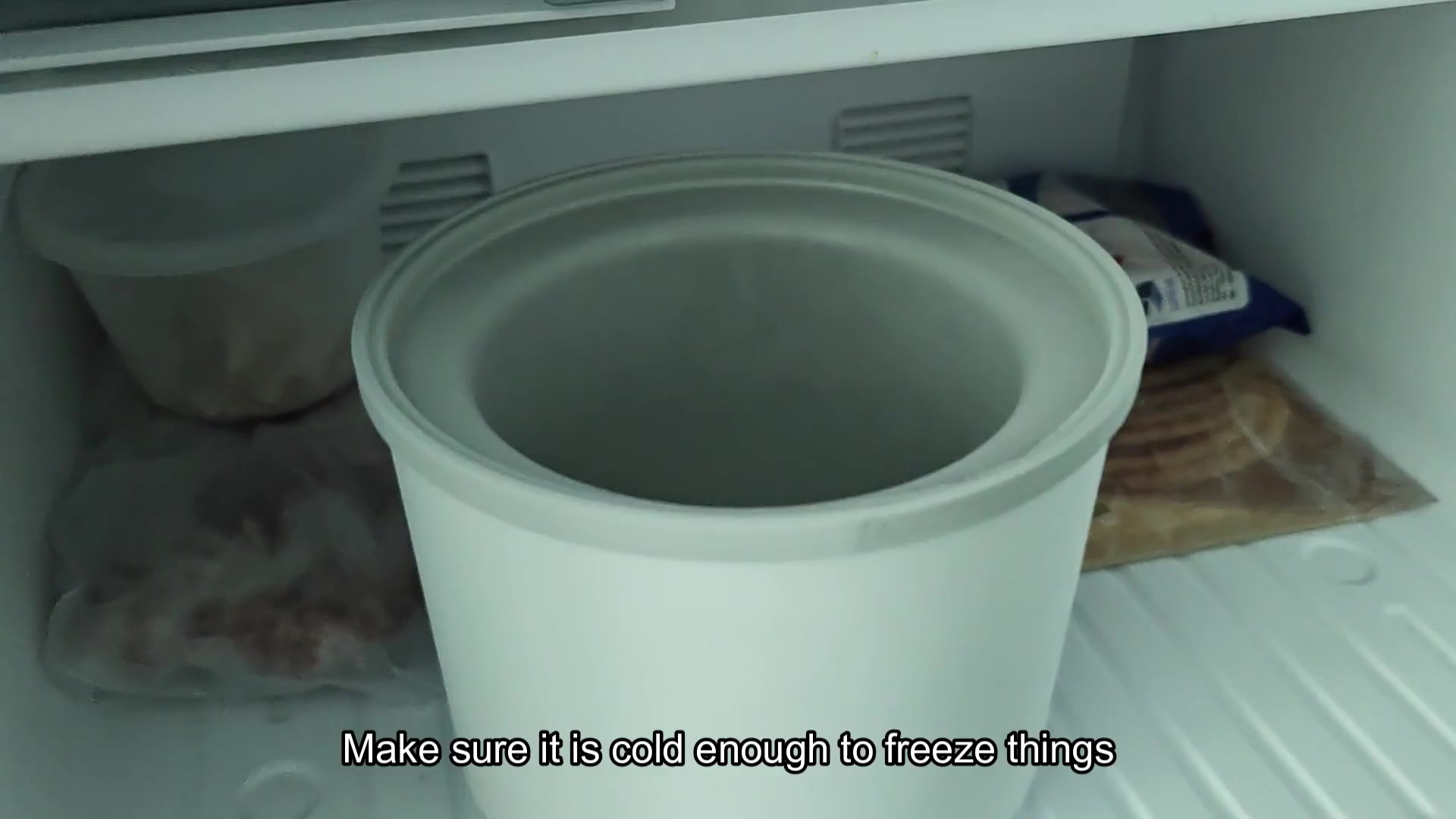
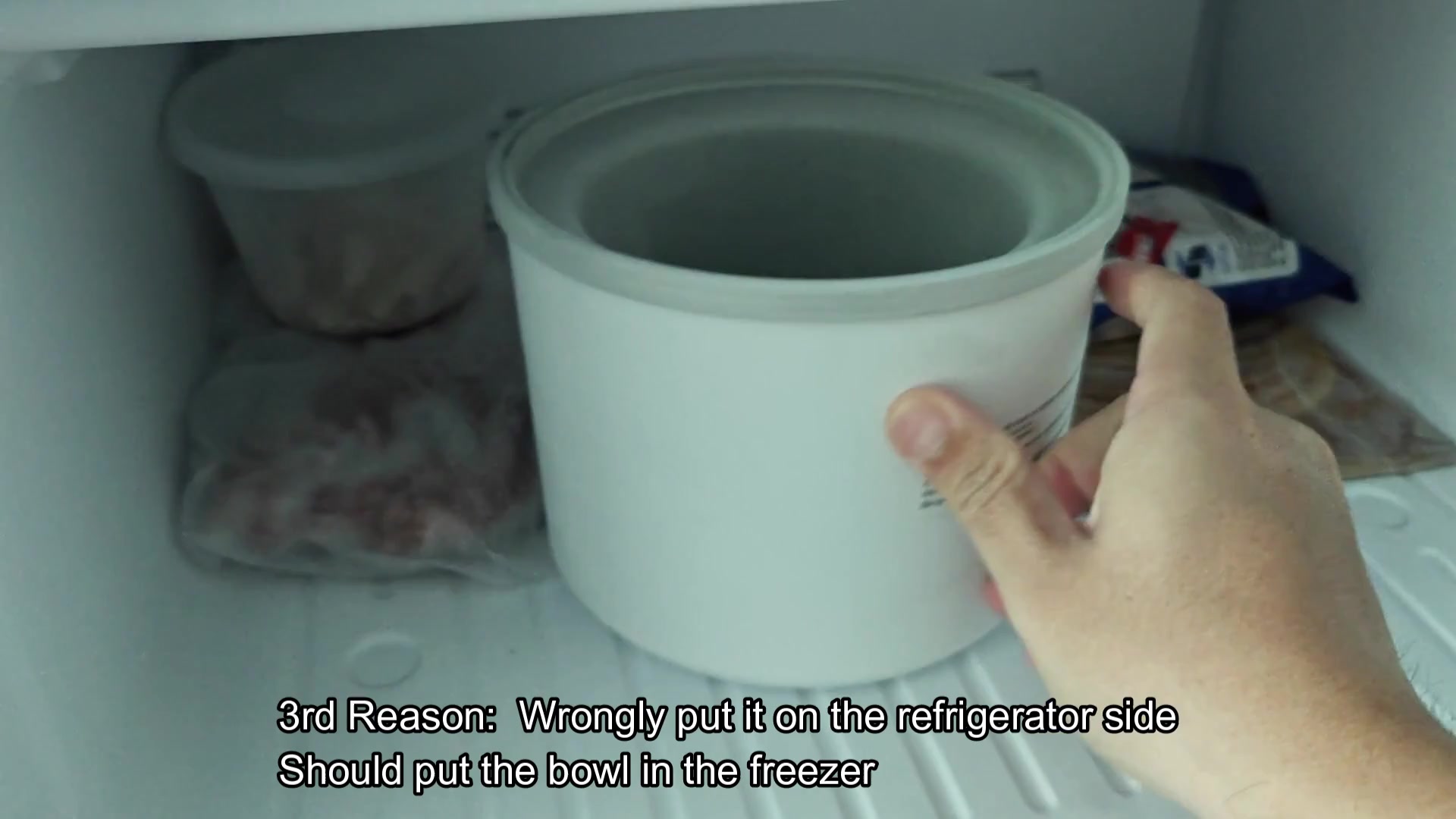
To fix this problem, simply slide the bowl back into the freezer compartment (the real one). That part of your freezer will cool way down below freezing and that’s where you want the bowl to stay. From the minute you prepare the bowl until churning time arrives, make sure the bowl remains only in the freezer compartment and doesn’t ever stays in the warmer part of your machine.
The device runs like it should once you get the bowl set up properly in the deep freezer. Within a few minutes, rather than being runny, it starts to thicken. You don’t have to worry about broken hardware or calling customer service; just check those three factors to see that most freezing problems is simply caused by poor preparation.
First thing: make sure your bowl is rock-solid. Set the freezer to its coldest setting, shake the bowl (to check for any sloshing), and confirm that you have the bowl inside the freezer, not the refrigerator. Little things like these will realy help in achieving consistant success with homemade frozen treats.