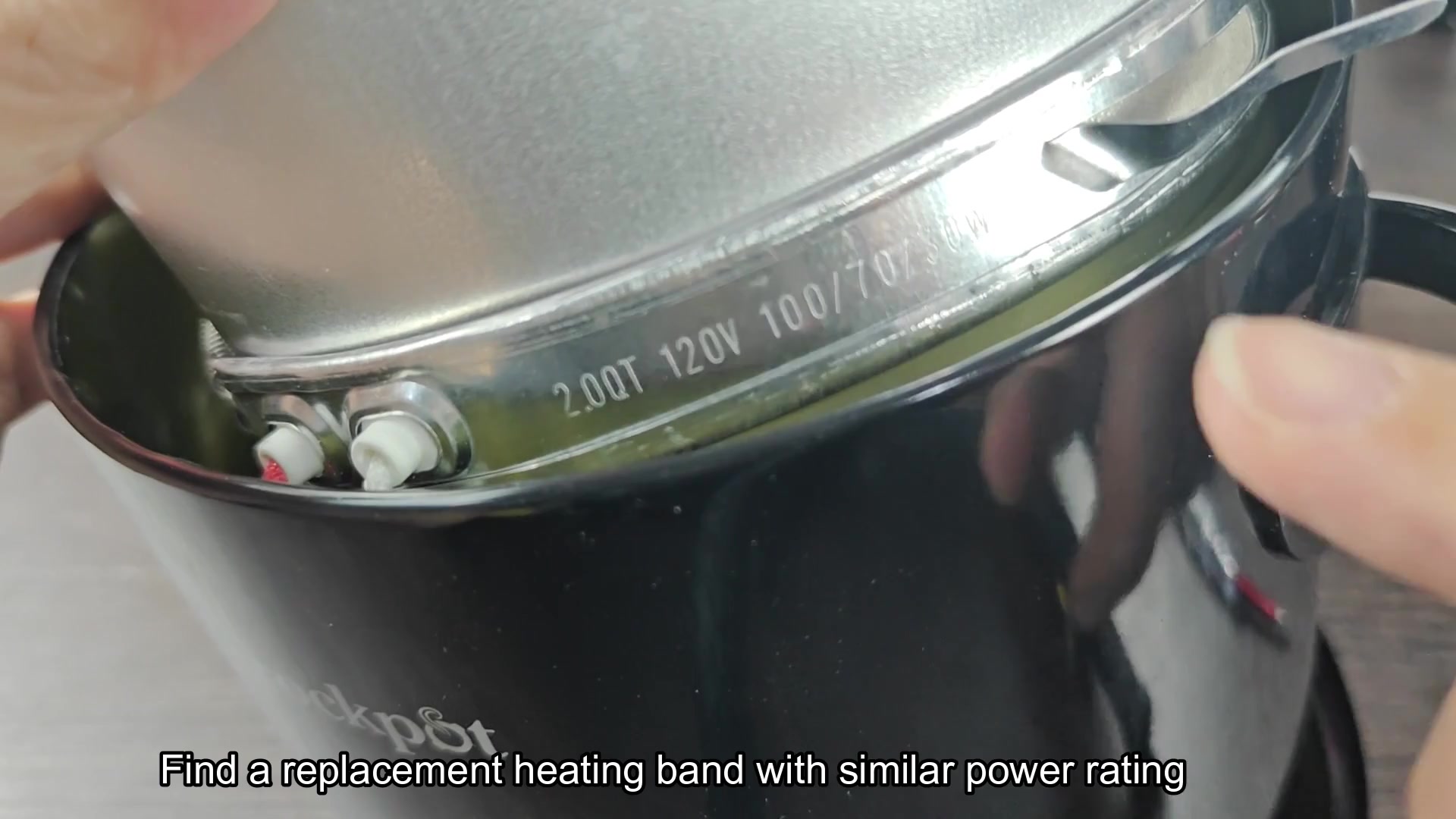
One morning I found that my slow cooker wasn’t getting hot. Before assuming that your entire slow cooker is broken and needs to be replaced, consider the possibility that it’s something simple: the heating element are removable and separate from the cooking pot itself. If you haven’t already, peek in there; you might save yourself some money.
More often than not, it’s the heating band. Why? Because this band encircles the inner pot made of either metal or ceramic and it’s the part that actualy generates the heat to cook your food. So when the band goes even though everything else appears in good shape, your food will remain cold. It’s time to dig deeper; something inside stop working.
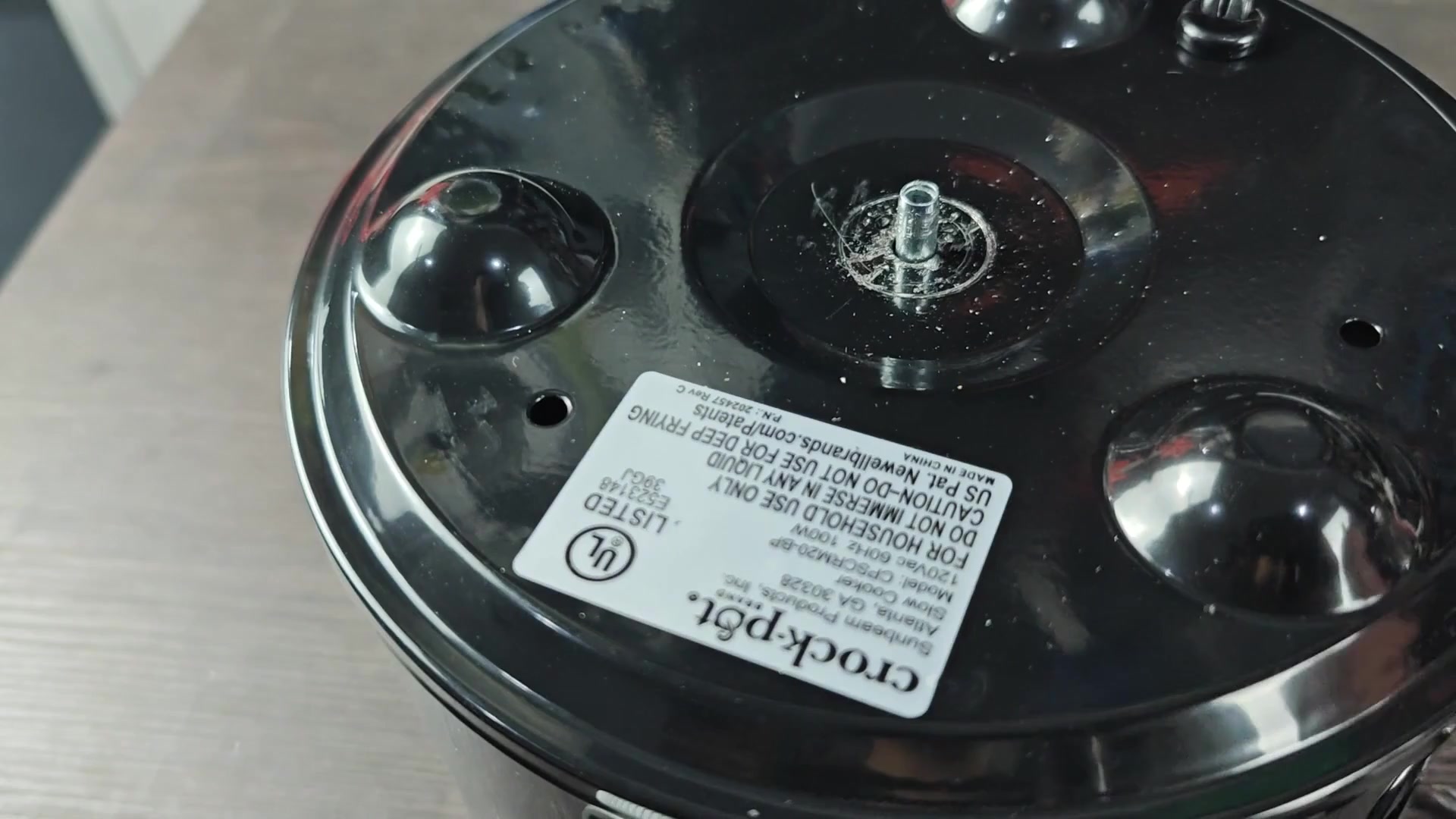
You have to remove the bottom cover to get into the guts of it. The middle part that holds all the components together has a unique rivet. It initially appears as if you can’t remove it. Standard tools won’t do the trick for this type of fastener either, you need an alternate strategy altogether.
How To Remove The Heating Band
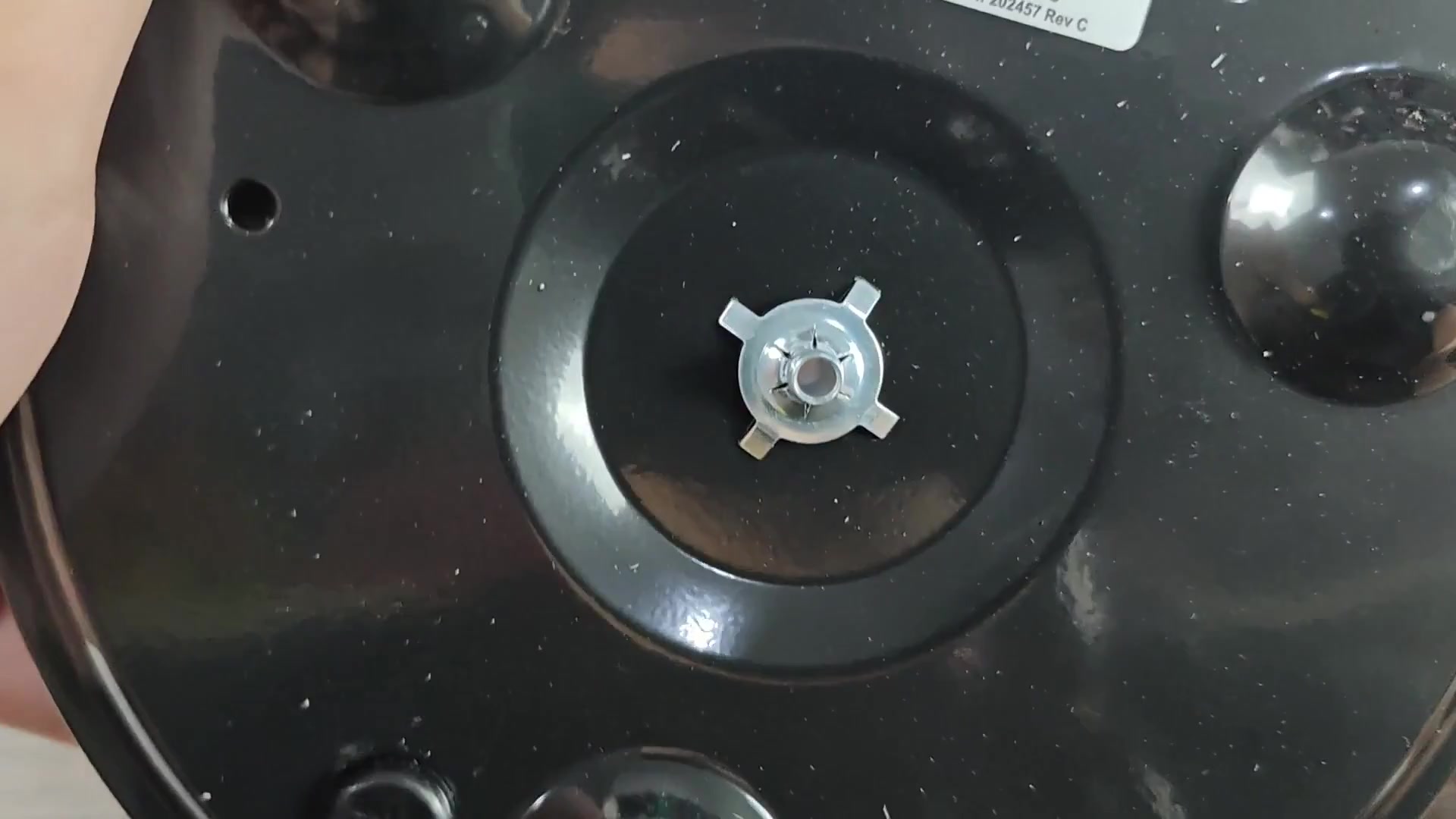
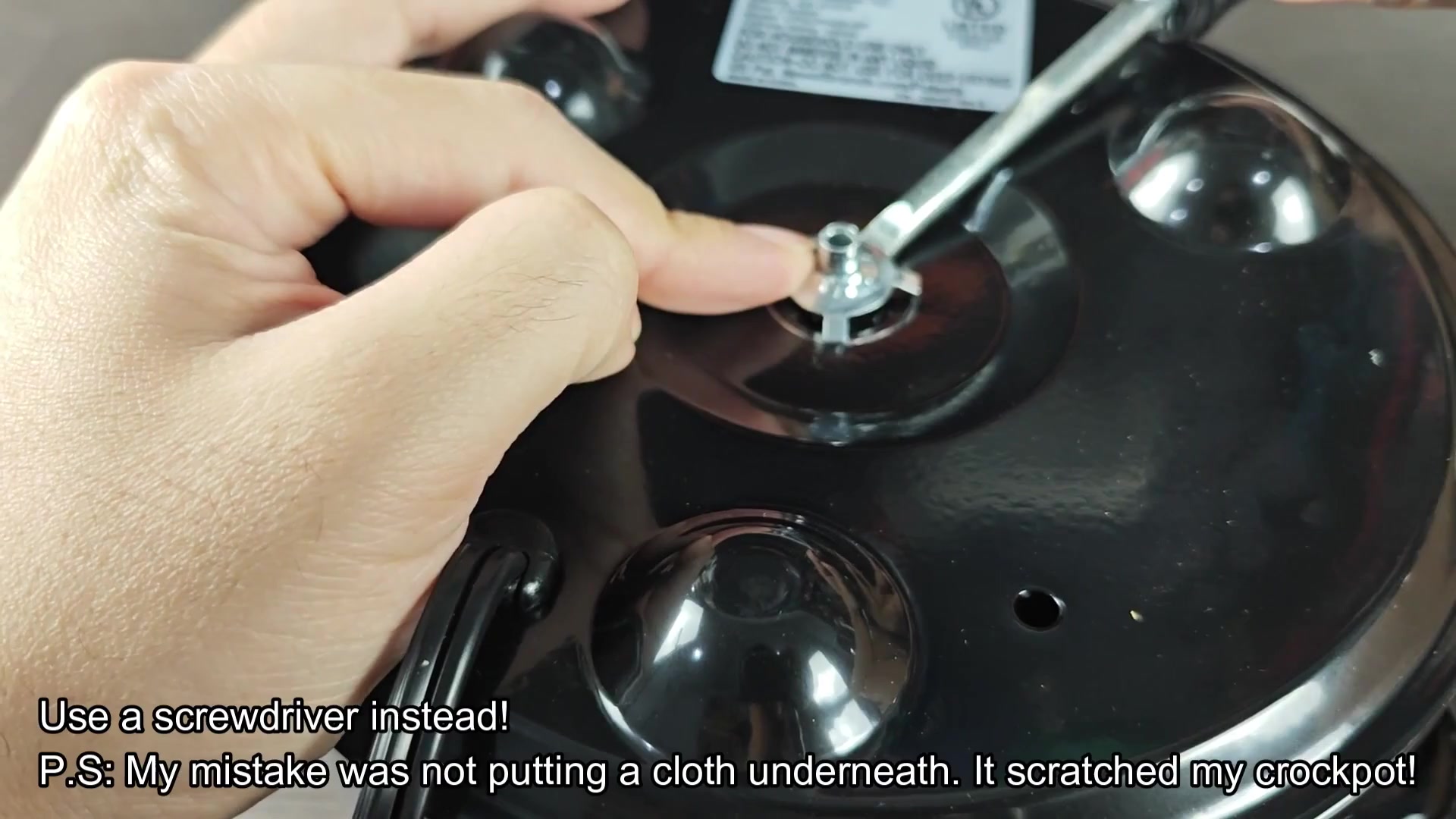
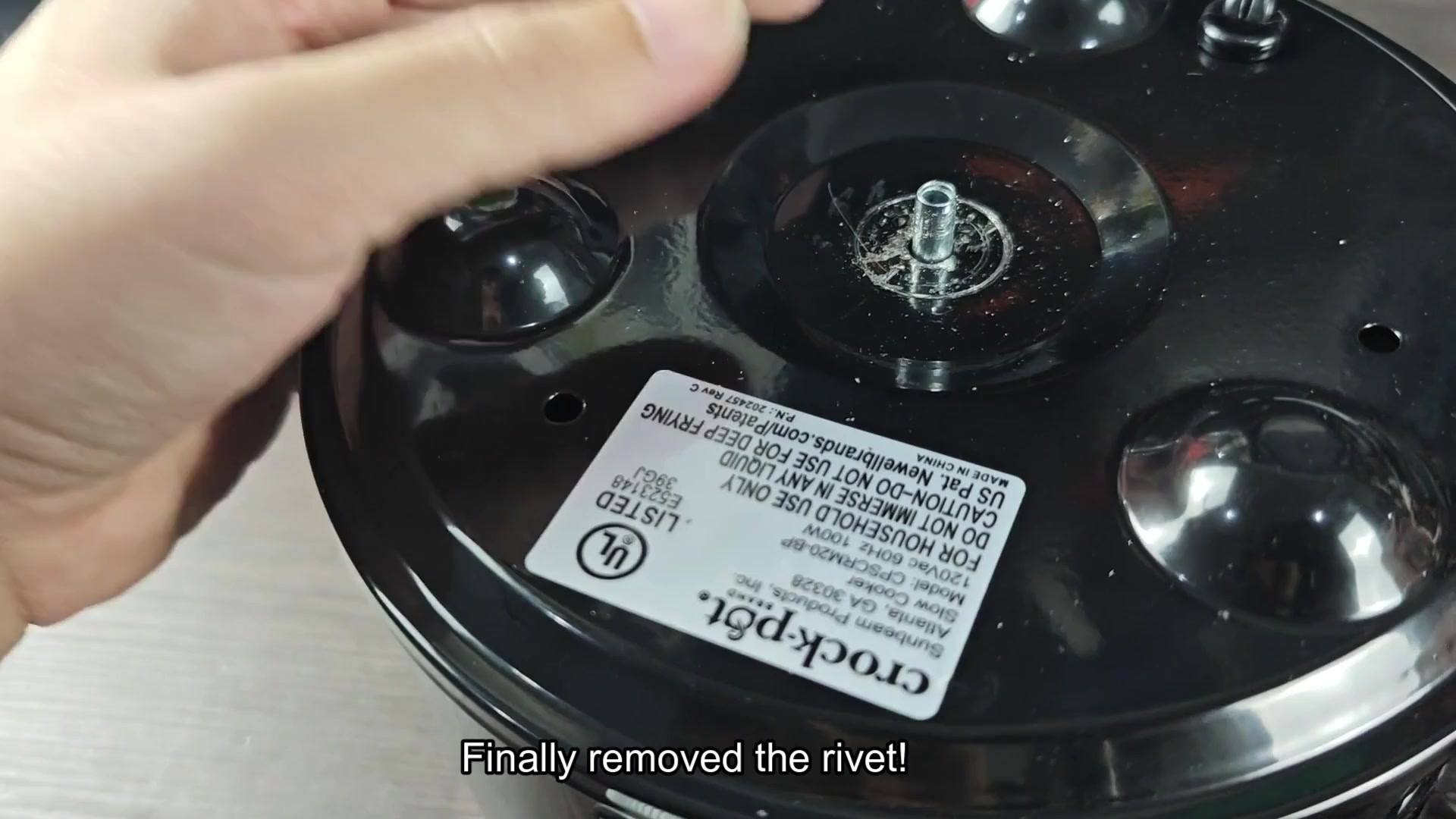
Don’t try and break it loose by prying on the rivet; grab a screwdriver. Just be sure to use something like a rag under the unit or else it will scratch the heck out of the black plastic base. Apply gentle pressure with the tool until the rivet comes out. The rivet come out once you apply gentle pressure with the tool.
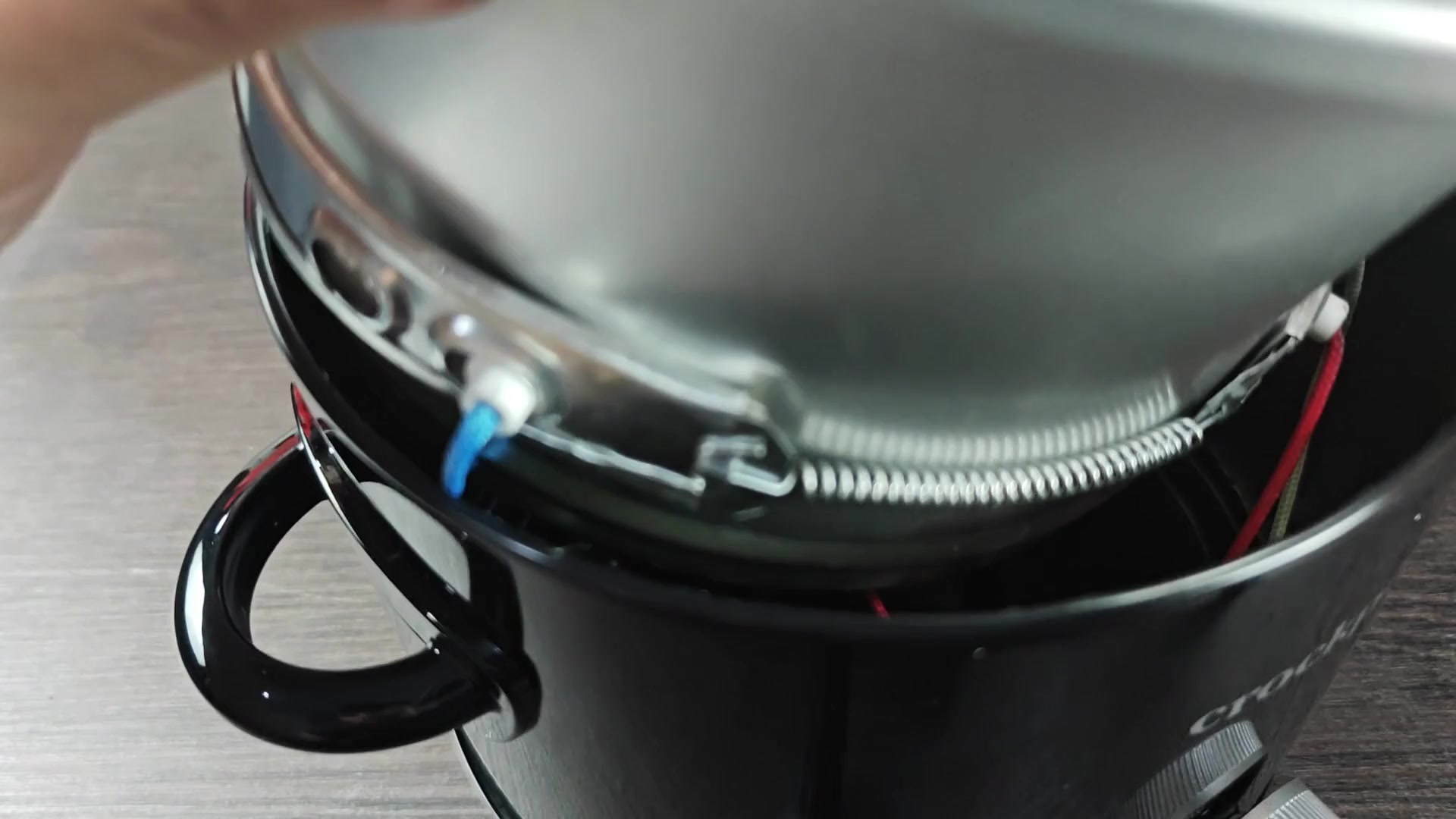
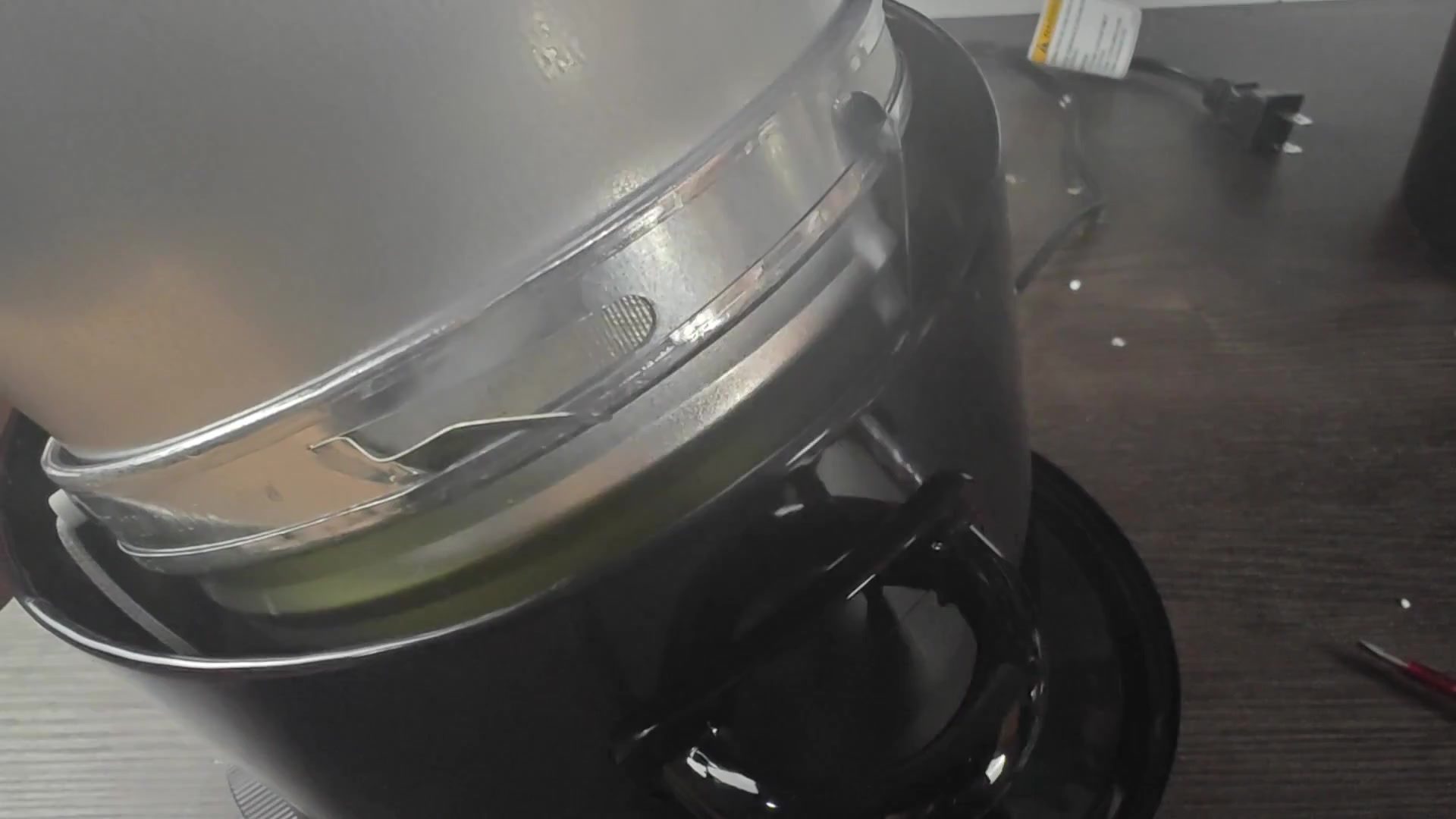
The bottom panel removes easily once you take out the central fastener. You’ll notice that there’s a tight wrap of metal around the inner pot. This part generate the heat and is where the wiring plugs in directly. Underneath the plastic shell, the design isn’t too complex based off it. Once you get to look at it the route for the repair becomes obvious.
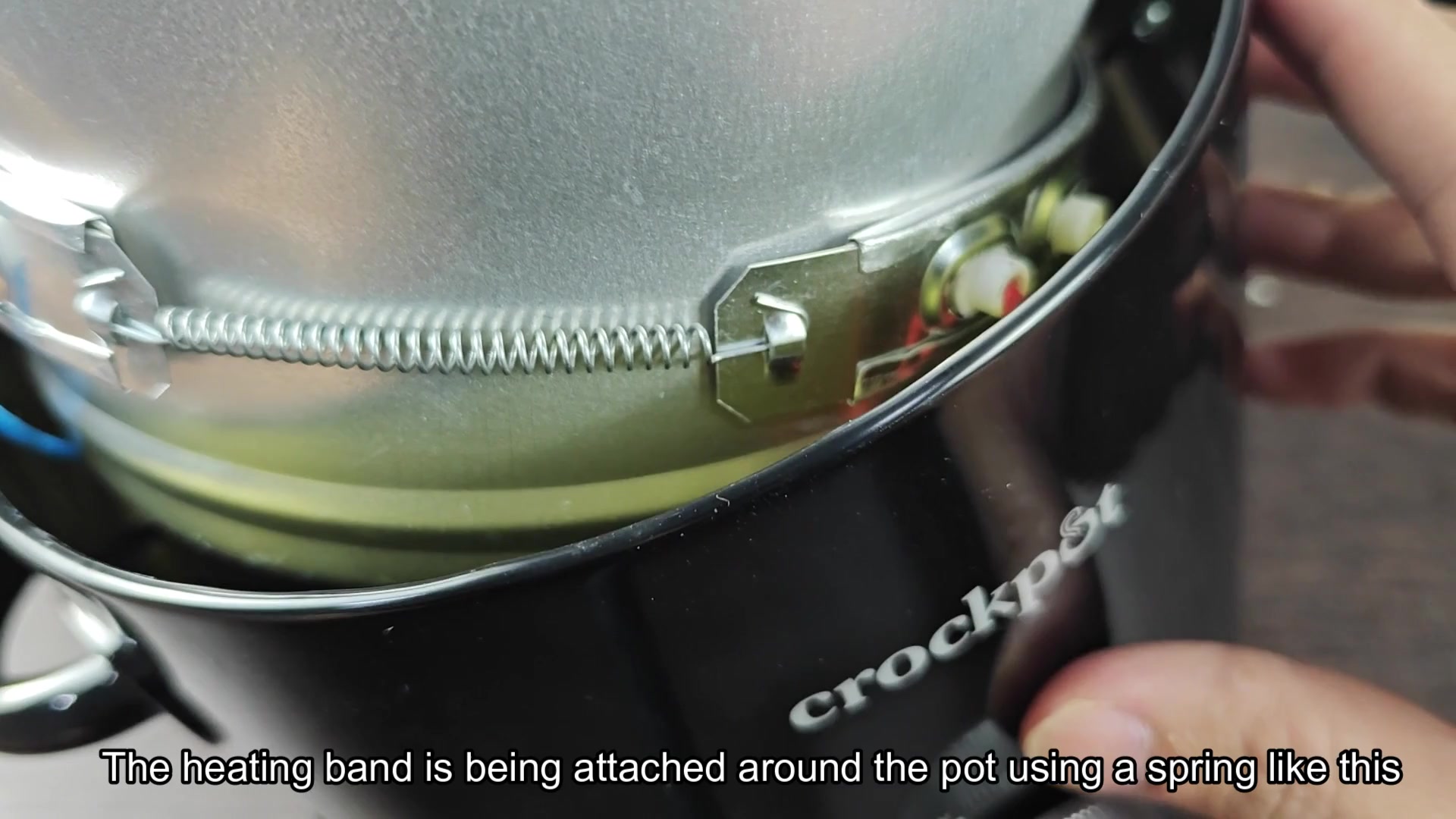
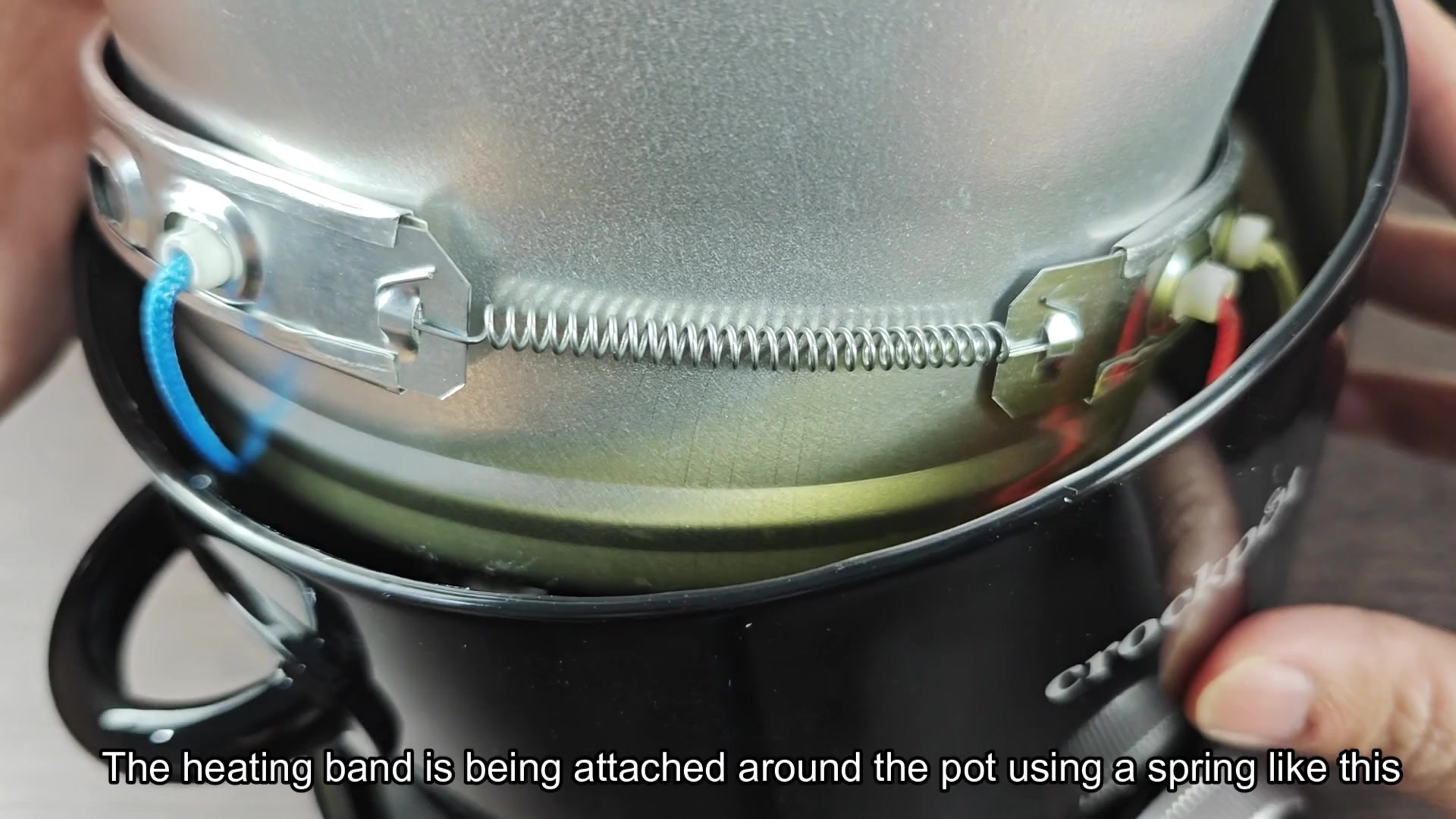
This is the heating band itself. It’s the part that wraps around the bottom of your cook pot and gets nice and tight. You can’t repair a little bit of the coil, if it burns out, then nothing in the entire unit will heat up. Partial fixes are almost never safe or effective so the whole thing goes.
In that way, a replacement band is similar different than it attaches with a coiled spring mechanism. The spring keeps the band snug against the surface of the pot which is important because it enables good heat conduction. You don’t want loose connections (which will result in no heat or uneven heating) so the spring maintain good contact when used.
When replacing, be sure to match the specs as voltage and watts has to match your specific model. The specs are typically etched in numbers right on the metal of the old band, so if you look closely you can tell what you’re looking for by reading those numbers. You could of really mess up here by getting the wrong parts, because a new part with different specs won’t work.
The power rating of the existing part will be clear. Both wattage and voltage is shown, and replacing that unit with an exact match is simple enough. You simply type the numbers into your favorite retailer’s search box and immediately recieve a list of potential matches that get more specific as you refine your search. There’s no guesswork involved.
The slow cooker are brought back to life with the replacement of the heating band. It’s a fraction of the cost of a new one, too, since it also saves time waiting for shipping on a replacement appliance. Mechanical problems is often easily fixed, as this case demonstrates.
Don’t toss all those old kitchen gadgets until you’ve done some investigating first. You might avoid waste and save money in the process.