MissVickie precision oil lab
Coconut Oil Converter
Convert coconut oil across volume and weight with profile-aware density, melt-state behavior, heat planning, serving scaling, and production-friendly rounding for reliable recipe execution.
Presets set profile, melt state, conversion direction, serving scale, expected process loss, and heat context so you can start with a realistic baseline.
Full Breakdown
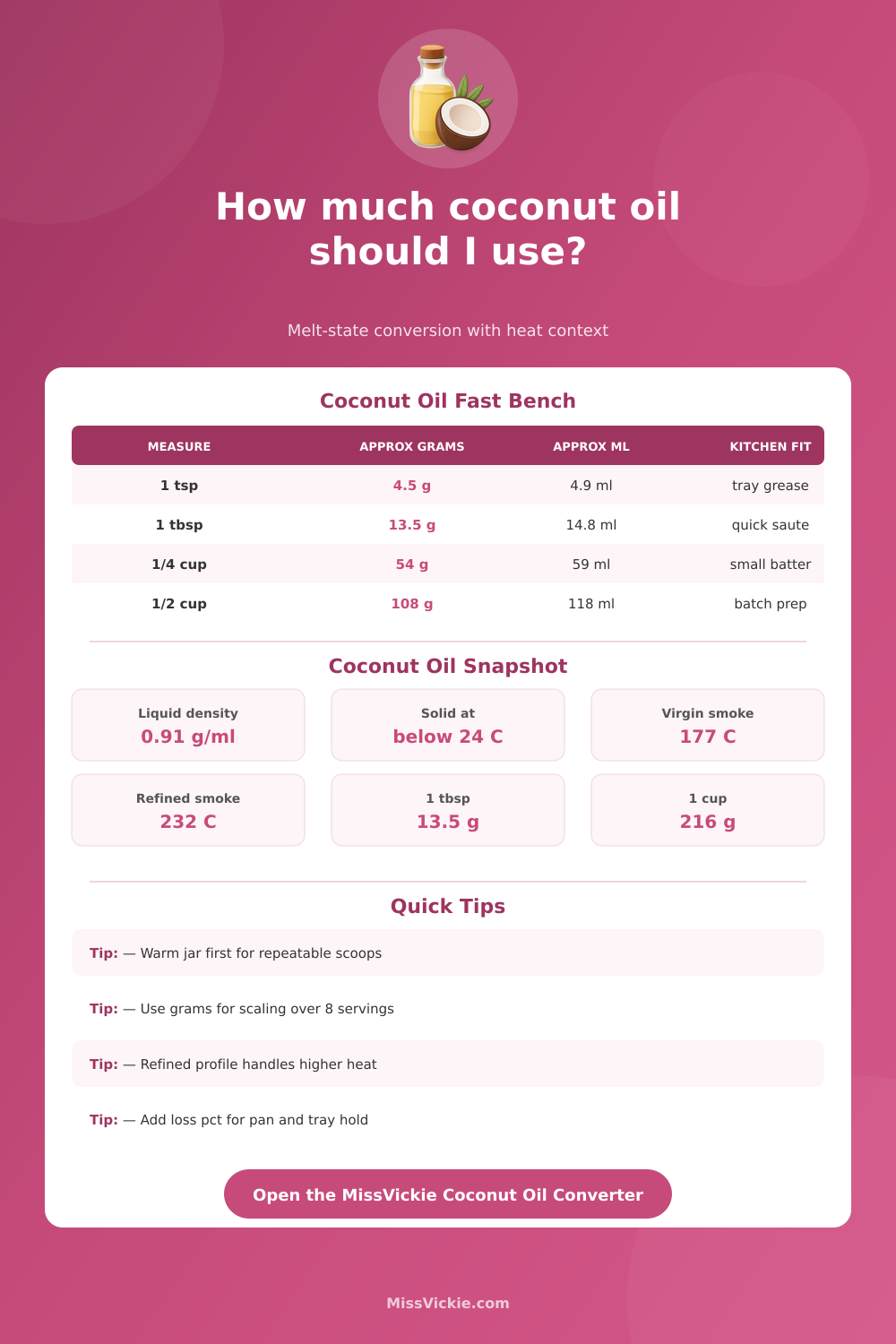
Table 1: practical anchor values for quick checks when your measured result looks off.
| Anchor amount | Approx grams (liquid profile) | Approx ml | Use cue |
|---|---|---|---|
| 1 tsp | 4.5 g | 4.9 ml | light pan grease |
| 1 tbsp | 13.5 g | 14.8 ml | single saute starter |
| 1/4 cup | 54 g | 59 ml | small loaf batter |
| 1/2 cup | 108 g | 118 ml | family curry base |
| 1 cup | 216 g | 237 ml | batch bake prep |
| 500 g | 36.9 tbsp | 549 ml | production scaling |
Table 2: melt-state and handling adjustments used by this calculator when estimating effective density.
| Melt state | Typical range | Factor applied | Measurement behavior |
|---|---|---|---|
| Firm solid | <18 C | 0.985 | air gaps from scooping can under-pack |
| Soft solid | 18 to 23 C | 0.995 | more packable, still semi-solid texture |
| Fully liquid | 24 to 32 C | 1.000 | most repeatable for volume pouring |
| Hot liquid | >32 C | 1.012 | slight thermal expansion impacts density |
Table 3: substitution reference when replacing other fats in recipe development.
| Swap direction | Start ratio | Texture note | Flavor note |
|---|---|---|---|
| Butter to coconut oil | 1:1 by weight | slightly firmer crumb when chilled | virgin adds coconut aroma |
| Neutral oil to coconut oil | 0.9 to 1 by volume | more structure in bars and muffins | use refined for neutral profile |
| Shortening to coconut oil | 1:1 by weight | similar body, lower plastic range | blend if ultra-neutral needed |
| Ghee to coconut oil | 1:1 by weight | less dairy richness in pastry | pair with vanilla or spice |
Table 4: smoke point and intent guidance for safer high-heat planning.
| Profile | Smoke point | Best intent range | Operational note |
|---|---|---|---|
| Virgin coconut oil | 177 C | 120 to 170 C | best for baking and finishing |
| Refined coconut oil | 232 C | 150 to 220 C | supports saute and fry workflows |
| Fractionated coconut oil | 205 C | 95 to 175 C | always liquid, mild aroma |
| Expeller standard | 205 C | 130 to 195 C | balanced daily cooking option |
1 cup equivalent under current melt-state factor.
Useful when swapping aroma for higher heat stability.
Fluid profile reference for drizzle and emulsions.
Rounded output in selected target unit for your scenario.
Coconut oil is a substance that change its physical state based on the temperature of the environment in which it is present. In addition, coconut oil changes its density with these changes in state. Coconut oil is a solid when the temperature is cool but changes to a liquid state at warm temperatures.
Because coconut oil changes the density of the substance based on its physical state, measuring it by volume will result in various amount of the oil by mass depending on the temperature at each instance of measurement. Therefore, to prepare recipes using coconut oil, it is important for cooks to understand that the density of coconut oil is not constant but changes with the temperature of the oil. Coconut oil is available in various types.
How Coconut Oil Changes with Heat and How to Measure It
Each type contains various property that make it suitable for different applications in the kitchen. Virgin coconut oil contains the aroma of tropical fruits but have a smoke point of around 177 degrees Celsius. Refined coconut oil does not contain the flavor of coconut but has a more higher smoke point at 232 degrees Celsius.
Fractionated coconut oil remains in liquid form at all temperature and is often used in dressings. Depending on the application for which the oil will be used, cooks must ensure that they use the correct type of coconut oil to avoid burnt flavors in cooked products. The temperature at which the oil is measured can drastic affect how much oil can be measured in a container.
At temperatures below 18 degrees Celsius, the oil solidifies to the point where cooks can introduce air into the oil when scooping it. At temperatures between 18 and 23 degrees Celsius, the oil remains a soft solid but easier to pack into containers. At temperatures above 23 degrees Celsius, the oil remains in a liquid form and is much easy to pour into cookware.
The density of coconut oil changes with temperature, thus cooks must use weight measurements instead of volume measurements for accuracy in recipe preparation. When increasing the number of servings to a recipe that uses coconut oil, cooks must take into account the amount of oil that will be lost during the cooking process. For sauteing, the pan may absorb up to 6 percent of the oil used.
However, for frying applications, cooks will lose up to 10 percent of the oil. Thus, if cooks are doubling the recipe, they must account for this loss of oil. Coconut oil can be used as a replacement for other fat in cooking, however, cooks should understand the difference in the behavior of coconut oil.
For instance, weight can substitute coconut oil and butter for one another but not volume due to the difference in the density of these two fats. Similarly, coconut oil and shortening can be measured by weight but have different plastic ranges so the coconut oil will soften at a faster rate. When substituting coconut oil for ghee in a recipe, cooks will lose the flavor of dairy that is present in ghee because coconut oil does not contain this flavor.
Thus, cooks who are substituting fats for one another should use weight measurements for all fats to avoid errors caused by density. The temperature at which cooks intend to cook the food will dictate the kind of coconut oil that they use. For baking, temperatures range between 120 and 180 degrees Celsius.
Virgin coconut oil is used for baking because it does not burn during baking. For sauteing and pan-cooking, the temperatures range between 150 and 210 degrees Celsius. Thus, cooks use refined coconut oil for sauteing because of its stability at high temperature.
For frying, cooks use coconut oil when the food will absorb oil but use the oil at the highest temperature as it will not burn the food. However, cooks should avoid using virgin coconut oil at temperatures above 170 degrees Celsius as it will break down and become bitter. When working with coconut oil, cooks can use several technique to ensure that they achieve consistent results in their recipes.
One technique involves warming the coconut oil container to ensure that it remains in an even state. In addition, cooks should use grams as measurements for coconut oil rather than milliliters as the mass will not change when measuring the oil. Cooks can also keep notes on the environment in which they measure the oil such as the temperature in the kitchen.
By understanding the melt behavior, heat context, and loss factors of the oil, cooks can successfully use it to prepare consistent results with their cooking applications.