
Muffins are a type of quick bread that are difficult to bake correctly. If baked for too long, muffins will becomes dry. If baked for too little time, the muffin will be undercooked.
To make good muffins, it is crucial to understand the chemistry behind the ingredient in the muffin batter. The main ingredients includes flour, fat, egg, and leavening agent that react to create the rise in the muffins when they are baked. The temperature of the oven is essential in the baking process.
How to Bake Good Muffins
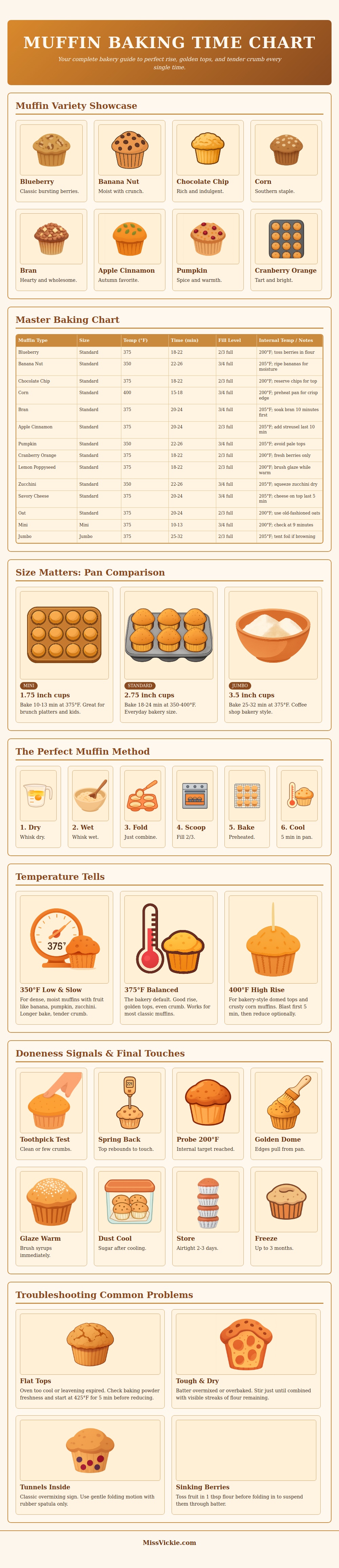
If the oven is set to too high of a temperature, the muffin structure will set too quick and the tops will become flat. If the oven is set to too low of a temperature, the structure will take too long to set and the center of the muffins will be soggy. Different type of muffins require different oven temperatures due to the ingredients in those muffins.
For instance, fruit muffins will cook at a lower temperature than chocolate muffins due to the moisture in the fruit. The ingredients added to the muffin batter will change how the batter behave in the oven. For instance, if you are using nuts or chocolate bits for your muffins, you must ensure that you fold the ingredients into the muffin batter carefully to ensure that the heavy ingredients do not sink to the bottom of the muffins.
If the muffins contain hearty grain or vegetable purees, they will need to be soaked or squeeze to remove excess moisture. The way that you mix the ingredients will change according to the type of muffin that you are baking. For instance, you need to use a specific mixing method for vanilla muffins compared to blueberry muffins so that the crumb of the muffin and the edges of the muffins remains crisp.
The size of the pan in which you bake the muffins will also have an impact on how long the muffins take to cook. Small muffins will take less time to cook than large muffins. Therefore, if baking small muffins, you will need to monitor them so you do not overcook them.
Large muffins will take longer to cook in the oven; however, to prevent their tops from browning too much, you can tent the tops of the muffins with a foil. Lastly, you should fill the pan to two-thirds of the way full with the batter; however, this can be filled to the top if you are baking more moister types of muffins. To bake excellent muffins, follow a specific rhythm.
First, whisk the dry ingredients in one bowl and the wet ingredients in another bowl. Then fold the wet ingredients into the dry ingredients. Ensure that you use minimal stroke when folding the ingredients as overmixing will lead to the development of gluten in the muffin batter.
Overdeveloped gluten will make the muffins tough when cooked. Once you have scoop the muffin batter into lined tins, place the tins into the oven. Do not open the oven too often while the muffins are baking as the initial heat of the oven will create steam pockets that will help the muffins to rise.
Allow the muffins to cool in the oven for a brief period before removing the muffins from the pan and placing them on a rack for air to circulate around the muffins. Temperature control in the oven is necessary for baking the muffins. The lower the temperature of the oven, the more tender the muffins will be.
Low temperatures will also keep the muffins fresh for a longer time. Most classic muffin recipes will require medium temperature in the oven. If you would like the edges of your muffins to be crusty, use higher temperatures in the oven.
However, be careful when baking at high temperatures. Always use an oven thermometer to even out the temperatures in your oven so that the muffins will rise correctly. When baking muffins, there are several cue that will identify when the muffins are cooked.
When you press on the top of a muffin, it should be springy. A clean toothpick inserted into the center of a muffin indicate that the muffin is done. An internal thermometer will show the center of the muffin has reached 200 degree Fahrenheit.
If the muffins you baked did not turn out as you desired, use these troubleshooting methods. If the tops of the muffins are flat, it could be due to the leavening agent being stale or the oven temperature being too low. Test the leavening agent by putting it into hot water.
If the muffins come out tough and dry, it could mean that you mixed the muffin batter too much or baked the muffins for too long. If you see tunnel in the middle of the muffins, it means you stirred the muffin batter too aggressively when mixing. If the add-ins to the muffins is sinking to the bottom, it means you should of coated the add-ins in flour before adding them to the muffin batter.
By following these methods and steps, you can bake excellent muffins that will have proper dome and a good texture.