
The ketogenic diet is an method of eating that focus on the macronutrients that a person consume to change the way in which their body use fuel. A person following the ketogenic diet consume a high amount of fat, a moderate amount of protein, and a very low amount of carbohydrate. The primary goal of the ketogenic diet is to encourage the body to produce ketone.
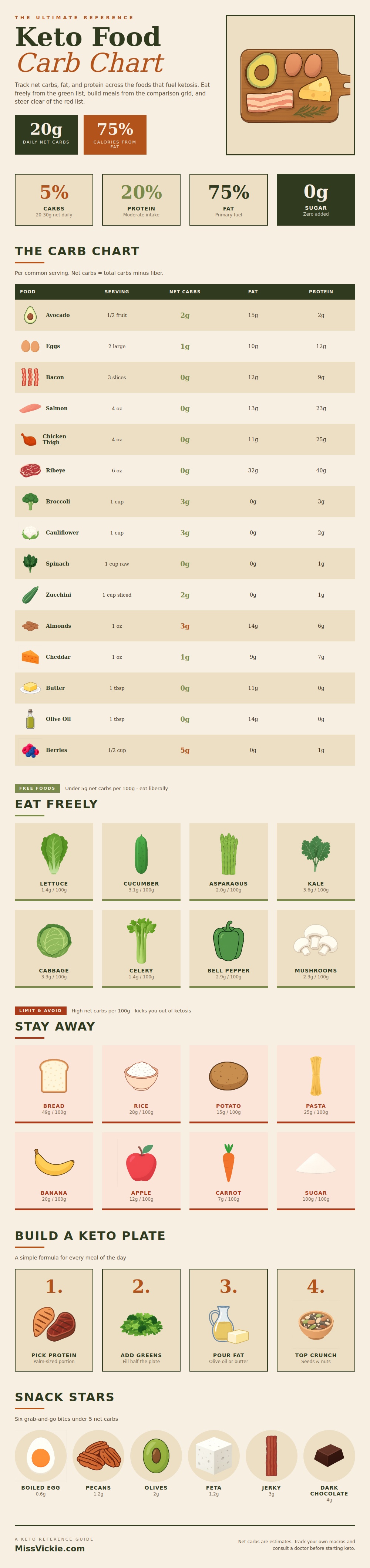
Ketones are the molecules that the liver of a body produces when the glucose levels in that body are low. When the body is deplete of glucose as its fuel source, the body utilize ketones as fuel, leading to a state of ketosis. The macronutrients that an individual on the ketogenic diet should consume should contain 75% of the total calories from fat, 20% of the total calories from protein, and the remaining 5% of the total calories from carbohydrate.
Simple Guide to the Keto Diet
Fat is the primary fuel source that the body should utilize while on the ketogenic diet. Fat is require to provide the calories that are necessary to maintain the energy levels of the body. Protein is an essential macronutrient for the body to utilize in the preservation of muscle mass.
However, the amount of protein that an individual on the ketogenic diet consumes should be limited; excessive amount of protein the body may convert to glucose. The glucose production could potentially interrupt the ketosis of the body. Carbohydrates should also be low in the diet of an individual on the ketogenic diet.
A limit to the carbohydrates that are consumed each day should be set at less than 30 gram of net carbohydrates per day. Net carbohydrates are calculate by subtracting the fiber content of the food from the total carbohydrate content. Meats and fish are among the food that should be included in the diet of an individual participating in the ketogenic diet.
Meat and fish contain very few carbohydrates. Choices for meat may include fatty meats, such as ribeye steak; choices for fish may include fatty fish, such as salmon. Additionally, foods like eggs and bacon is low in carbohydrates, and are another group of foods that should be included in the diet.
The portions of protein should also be controlled; the size of the portion of protein should be limited to the size of the palm of the persons hand to avoid consuming too much protein. Vegetables that grow above the ground are generally suitable for inclusion in the ketogenic diet; vegetables that grow above the ground typically contain fewer carbohydrate than root vegetables. Leafy green vegetables, such as spinach, are low in carbohydrates.
Vegetables like broccoli and cauliflower is high in fiber and nutrients, but low in carbohydrates. Additionally, zucchini can be used in place of pasta. Vegetables provide the body with vitamins, fiber, and other essential nutrients; including vegetables in the ketogenic diet is essential to allow the body to maintain proper digestion and nutrient levels.
Fats are a critical component of the ketogenic diet. Fats provide the body with energy, and provide a feeling of fullness after meals. Butter and olive oil can be added to the vegetables that an individual on the ketogenic diet consumes to increase their fat intake.
Avocados are a source of fat. Additionally, the fiber content of an avocado limit the amount of carbohydrates that are consumed by an individual on the ketogenic diet. Cheese is another source of fat of the diet; however, an individual on the ketogenic diet should limit cheese consumption because it does contain some carbohydrate.
Nuts are another source of fat of the ketogenic diet; however, the portion of nuts that are consumed should be measured to limit the carbohydrates that the individual may consume. Berries are the only type of fruit that an individual on the ketogenic diet should consume; however, the amount of berries that are consumed should be limited. Berries should be limited to amounts of no more than half a cup per day.
Certain food are considered to be “free foods” for an individual on the ketogenic diet. Foods such as lettuce, cucumber, asparagus, kale, cabbage, celery, bell peppers, and mushrooms contain very low amounts of carbohydrate; they contain fewer than five gram of carbohydrates per 100 gram of food. An individual by the ketogenic diet can consume foods classified as “free foods” as often as desired.
Because these foods contain vitamins and other micronutrient, their inclusion in the diet is beneficial to the body. The “keto flu” is a series of symptoms that may occur during the initial stages of the ketogenic diet. These symptoms may include fatigue and muscle cramps.
The inclusion of the micronutrients from the “free foods” prevent these symptoms from developing. An individual on the ketogenic diet should avoid certain type of food. An individual on the ketogenic diet should avoid foods such as bread, rice, potatoes, pasta, bananas, apples, carrots, and foods that contain sugar.
These foods contain high amounts of carbohydrate. High amounts of carbohydrate in the diet can cause the blood sugar level of an individual to rise. High blood sugar level will stop the body from producing ketones.
To build meals for an individual following the ketogenic diet, follow a specific series of step. First, include a portion of protein of the size of the persons palm. Second, fill half of the plate with green vegetable.
Third, add a source of fat to the meal; butter or oil can be used. Finally, add crunch to the meal; small amount of nuts or seeds can be added to the plate. An example of a meal that could be built with these step would be breakfast of eggs with spinach and butter.
Another example of a meal may include salmon with cauliflower rice and olive oil for lunch. Snack are also a part of the ketogenic diet. Snacks that can be consumed include item like boiled eggs, pecans, olives, feta cheese, jerky, and dark chocolate with less than five gram of carbohydrates.
Snacks are beneficial to an individual’s diet for those with busy schedule; they may be consumed quickly. When an individual begin the ketogenic diet, the body must undergo an adaptation period. During this initial period, which may last one week, the body deplete its glycogen store.
Glycogen is stored as water in the body; thus, the body may lose some water weight during this initial stage. After the initial stage, the body begins to produce ketone, the energy level of the body increases, and craving for food decrease. Foods that contain carbohydrate are hidden in many food; for instance, many sauce contain carbohydrates, as do many food labeled as “low-fat.” Additionally, the body may need to weigh the food that they eat; however, there is also visual cue for many food that allow an individual to eat without the need to weigh their food.
It is common for an individual to make mistake when following the ketogenic diet. One common mistake is eating too many nut or berry. The ketogenic diet may include method for testing an individual’s urine for the presence of ketone.
The use of breath meter is another way to test for the presence of ketone in the body. Testing the body for ketone will confirm whether or not an individual is experiencing ketosis. Additionally, an individual should ensure they are drinking enough water and consuming electrolyte; electrolyte are beneficial to the body with a reduction of carbohydrate in the diet.