
If your Delonghi La Specialista isn’t turning on at all, check the power source before troubleshooting because that could be the issue. Maybe you have power but no lights or sounds from machine? That could simply be a power issue instead of something seriously wrong with the machine’s mechanics.
Before you assume that it’s time for a new piece of hardware, it’s probably best to begin with basics.
Inspect Internal Components
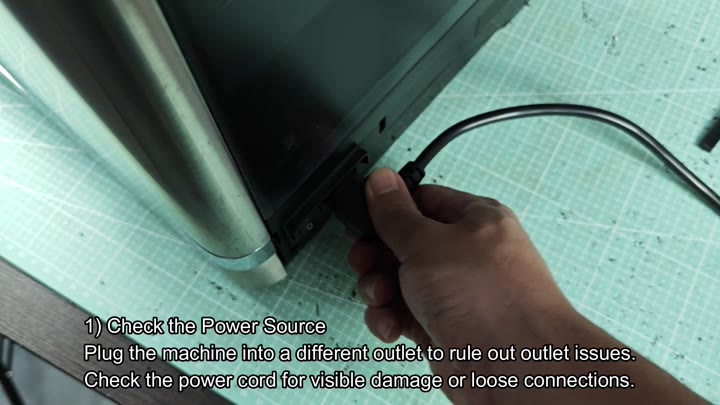
Unplug the machine and relocate it to another electrical outlet. No good? Bad wall outlets aren’t the problem (they are more common then you’d think).
Also inspect the power cord for any signs of damage along its full length and where it plugs into machine. You know there is no cut, frayed area, or loose connection at the plug head if the cord appears undamaged and uncut.
If it’s merely a bad outlet, changing them out are simple.
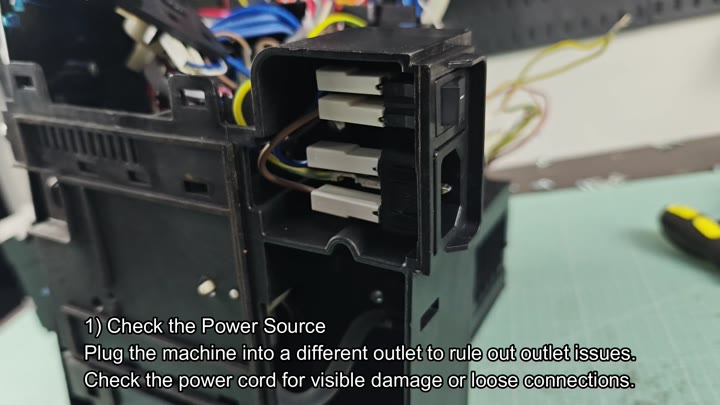
It still won’t come on. So you inspect where it connects. Maybe a bit of internal wiring has loosen over time because heating elements or pump vibrate. Check that the main power entry point is snug inside housing. In some cases there’s nothing apparent when you do this. But now you’ve eliminated easy solutions and move on.
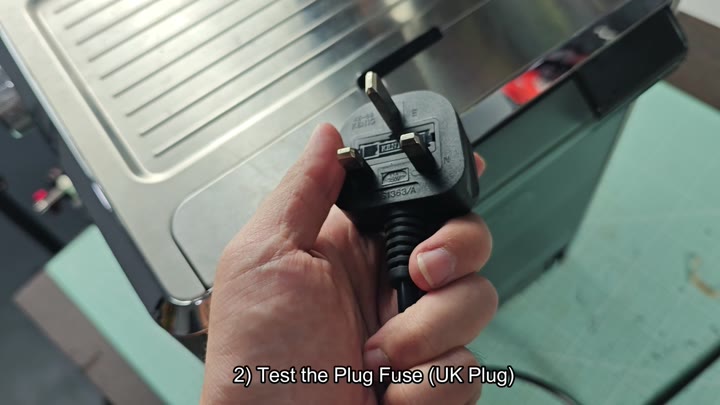
In the UK, check the plug first, as it contains a fuse that can blow during a power surge. Unclip the fuse from the plug with your trusty screwdriver. The fuse is a little cylinder.
Next, grab yourself a multimeter. Put one end on each pin of the fuse and see if it has continuity. If the meter shows infinite resistance, the fuse is blown, which explains why zero power reaches the board. That’s why no power flows through the board.
This is one of those things we often overlook and make extra work for ourselves.
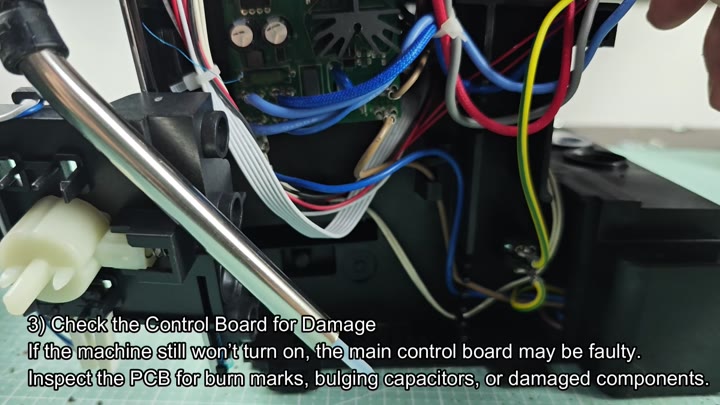
Ruling out any outside influences, you crack it open and examine its insides, a tangle of colored wires and white connectors that might make it seem like an electronic Rube Goldberg contraption.
But your eye goes right to the primary control board, searching for evidence of electrical failure: Bulging capacitors? Burn marks on the PCB surface? Nope. Clean board, no scorches; the power supply’s fine. Still, nothing happen when you flip that switch.
Occasionally, the interface is dead while the machine itself has power, and you will not be able to tell this from your end. A faulty display control module might be at play here, which won’t let the machine operate even though its inner workings are alive and well.
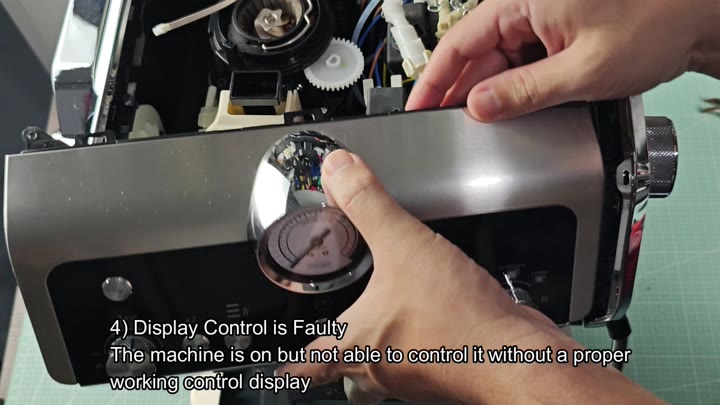
You can’t begin any brew cycles or even use the menus until the display is functional. The failure point in this case is in communication layer between the display and the rest of the machine; it’s silent to the user. Unfortunately, power delivery is likely intact here, you’ll just need to replace the display unit.
So then you order yourself a new control panel from online somewhere and pop off old ribbon cable and seat the new one in place. Plug it in and power the thing back on. It comes to life: the DeLonghi logo flashes across the screen and the machine is running once more. Functionality restored; all that was required was opening the case.
When you aren’t guessing, troubleshooting becomes simple. Power issues like outlet failure should of been checked first as they’re a common problem. A fuse test is another fast diagnostic tool that will save you from tearing into your machine unnecesarily.
You can check the board for obvious signs of catastrophic electrical problems. If it checks out, then a display issue is what’s preventing the machine from appearing alive when it has power.
Every test eliminates one variable until you’ve isolated the issue. Your morning brew ritual goes back to normal. All this work was worth it.