
When the center dasher doesn’t spin around while the bowl turns, people think they broke it. No, they didn’t break anything. This ice cream maker have no paddle that moves.
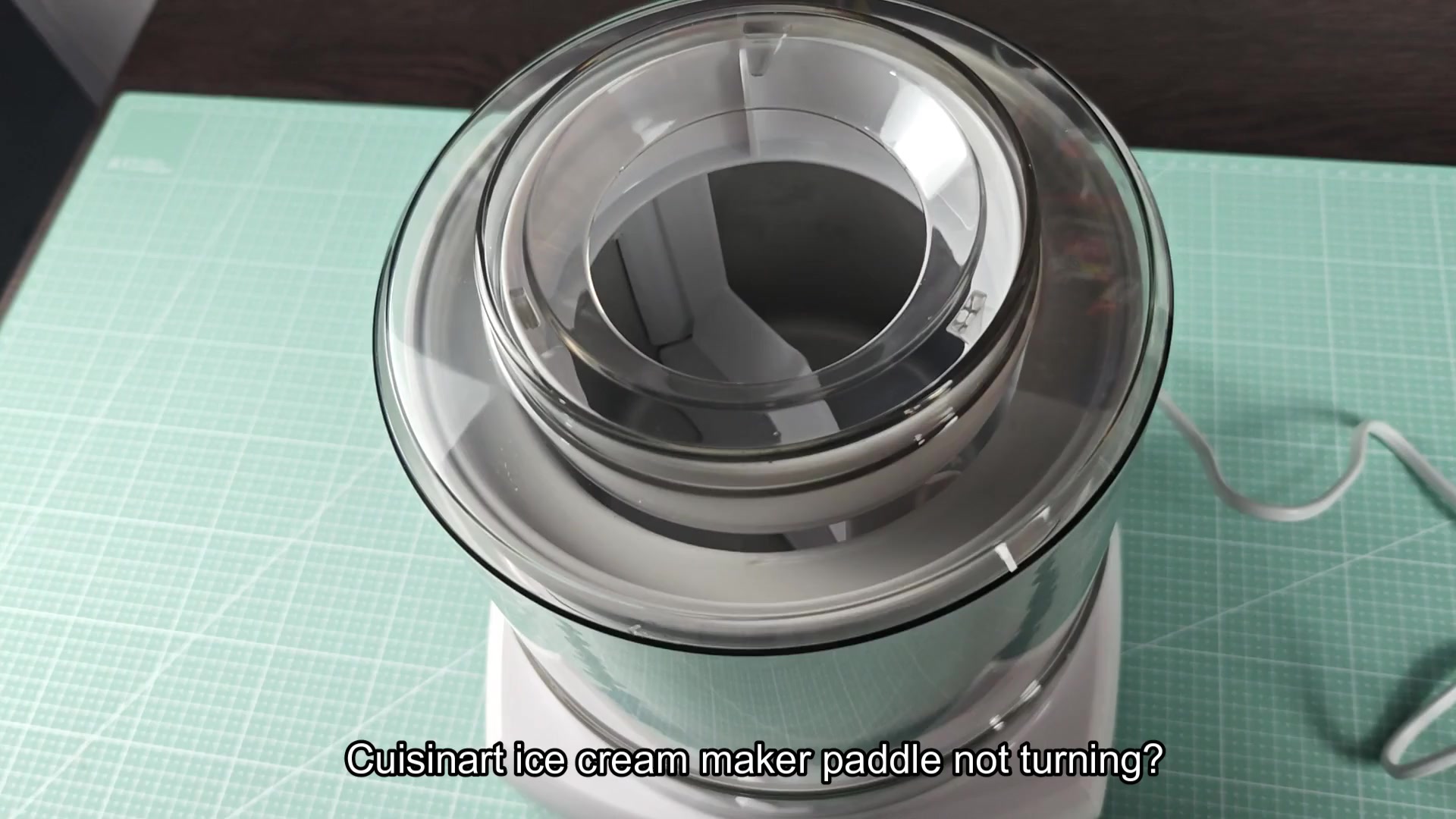
Many assume that the paddle is busted but it isn’t. It just stays fixed in one spot as freezer bowl rotates. Knowing this will save you some heartache and frustration. That way you don’t tear your machine down thinking it’s broken.
Fixing Freezing Problems
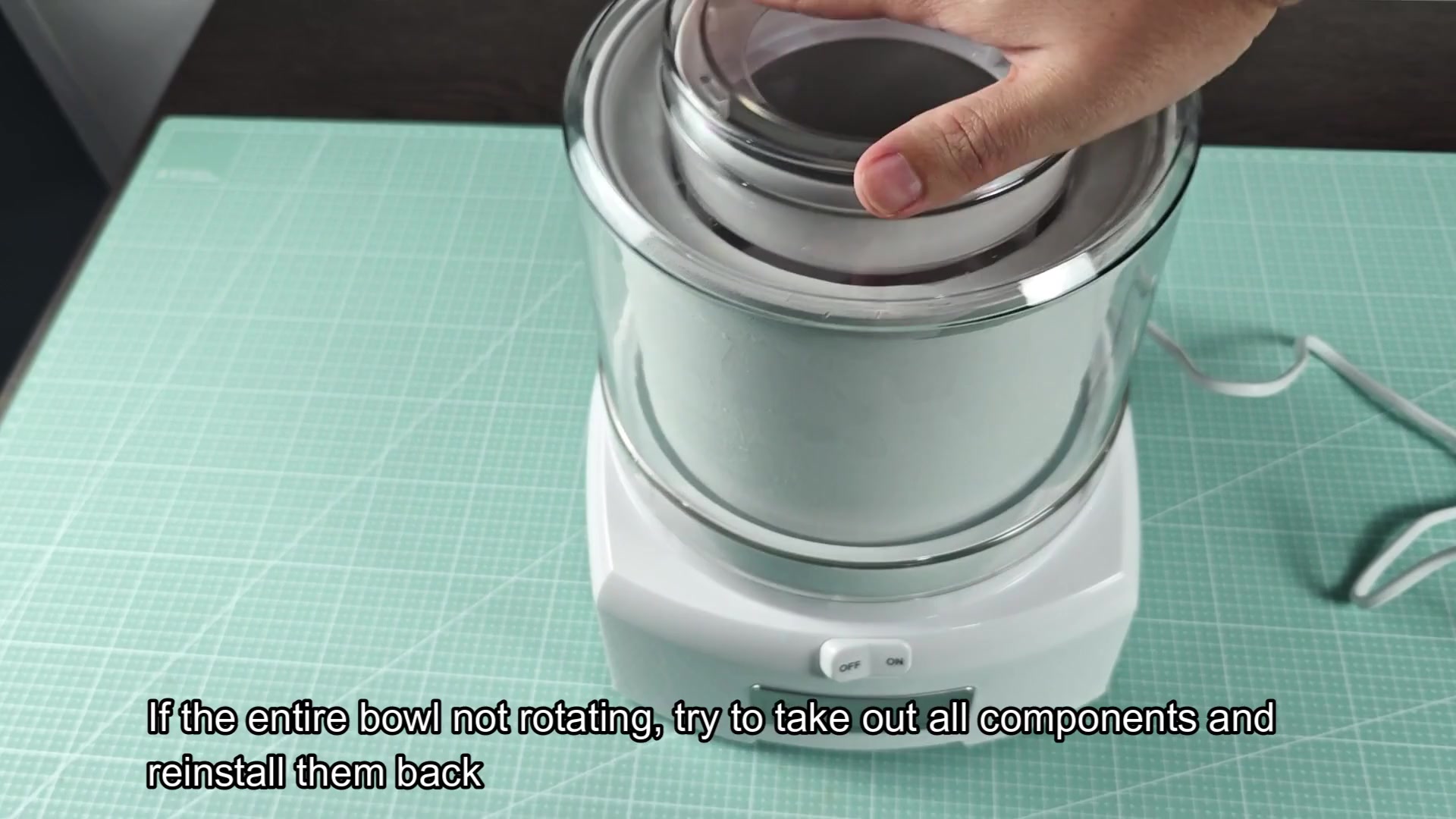
I realized how it was supposed to operate and look at mine again. So, if the whole bowl won’t turn, you have an issue. Otherwise, the ice cream maker is doing what it should of. So if your ice cream machine is humming but not moving, begin with simple stuff. Removing and reinstalling the components will usually fix it, as sometimes parts don’t seat right.
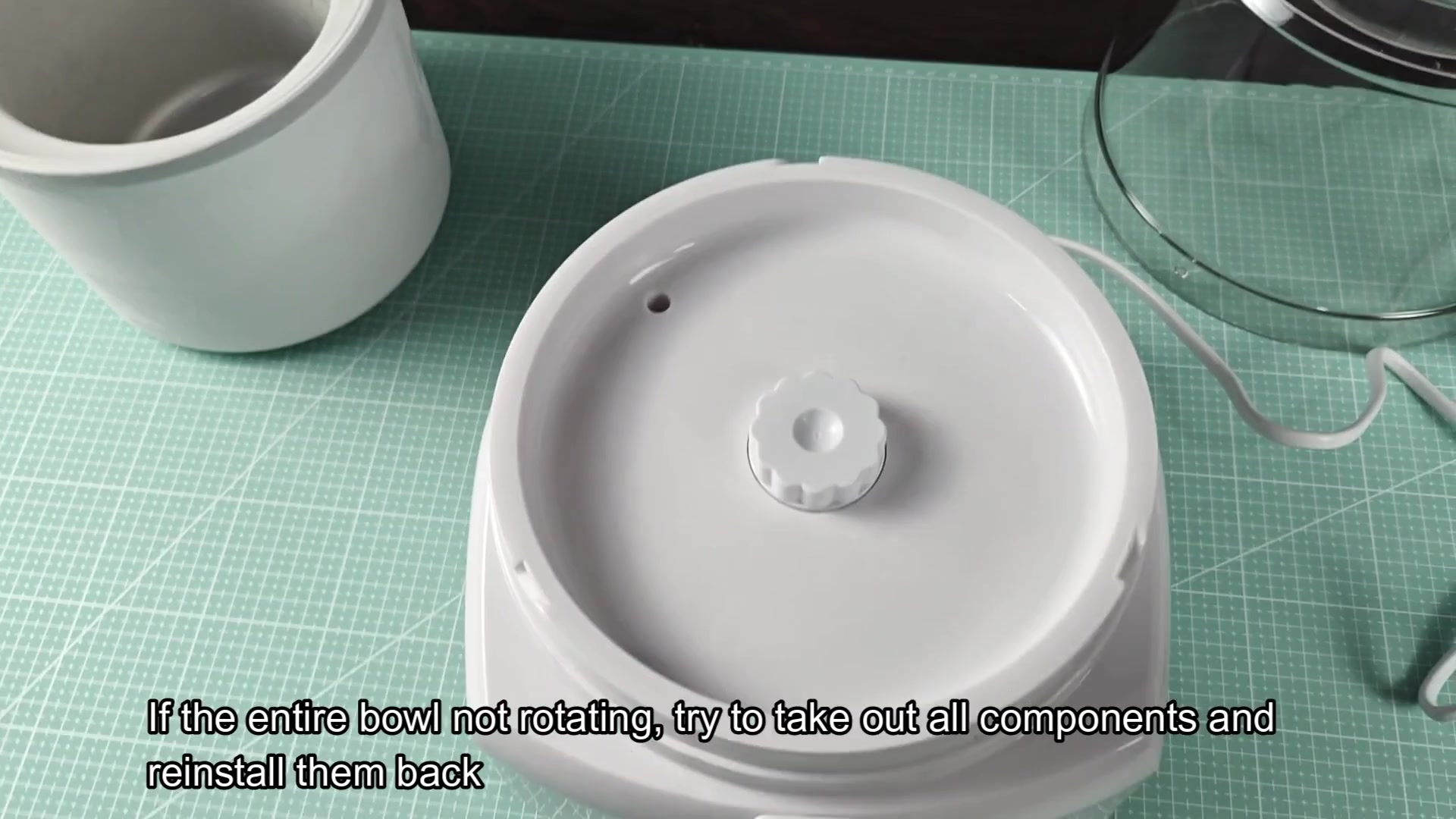
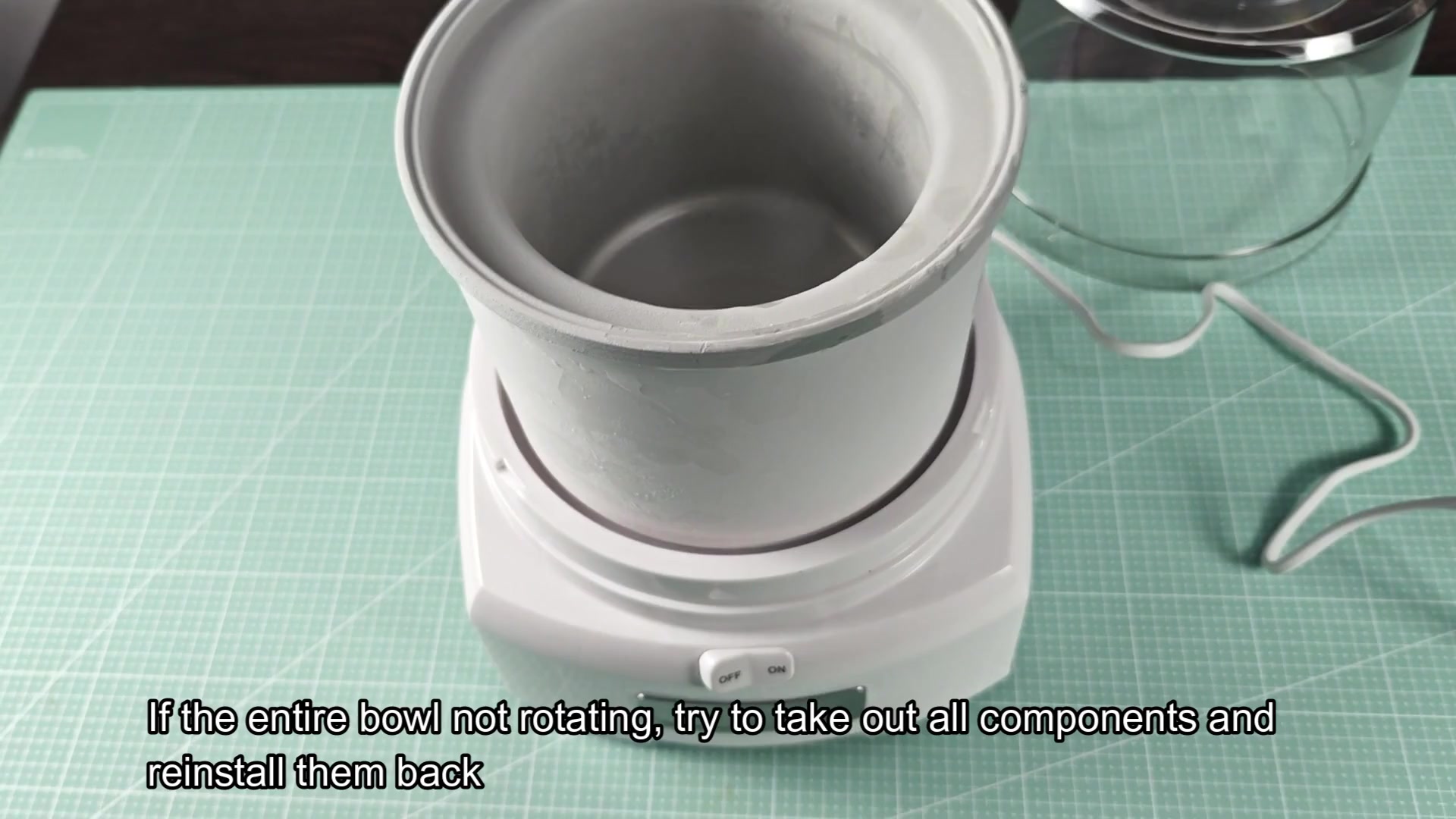
If it’s a problem of all the inside pieces I remove everything including lid assembly and bowl itself. When you put them back in place they is aligned just right. Reassembling was as easy as I picked up gray freezer bowl from its white base. It simply clicked into position.
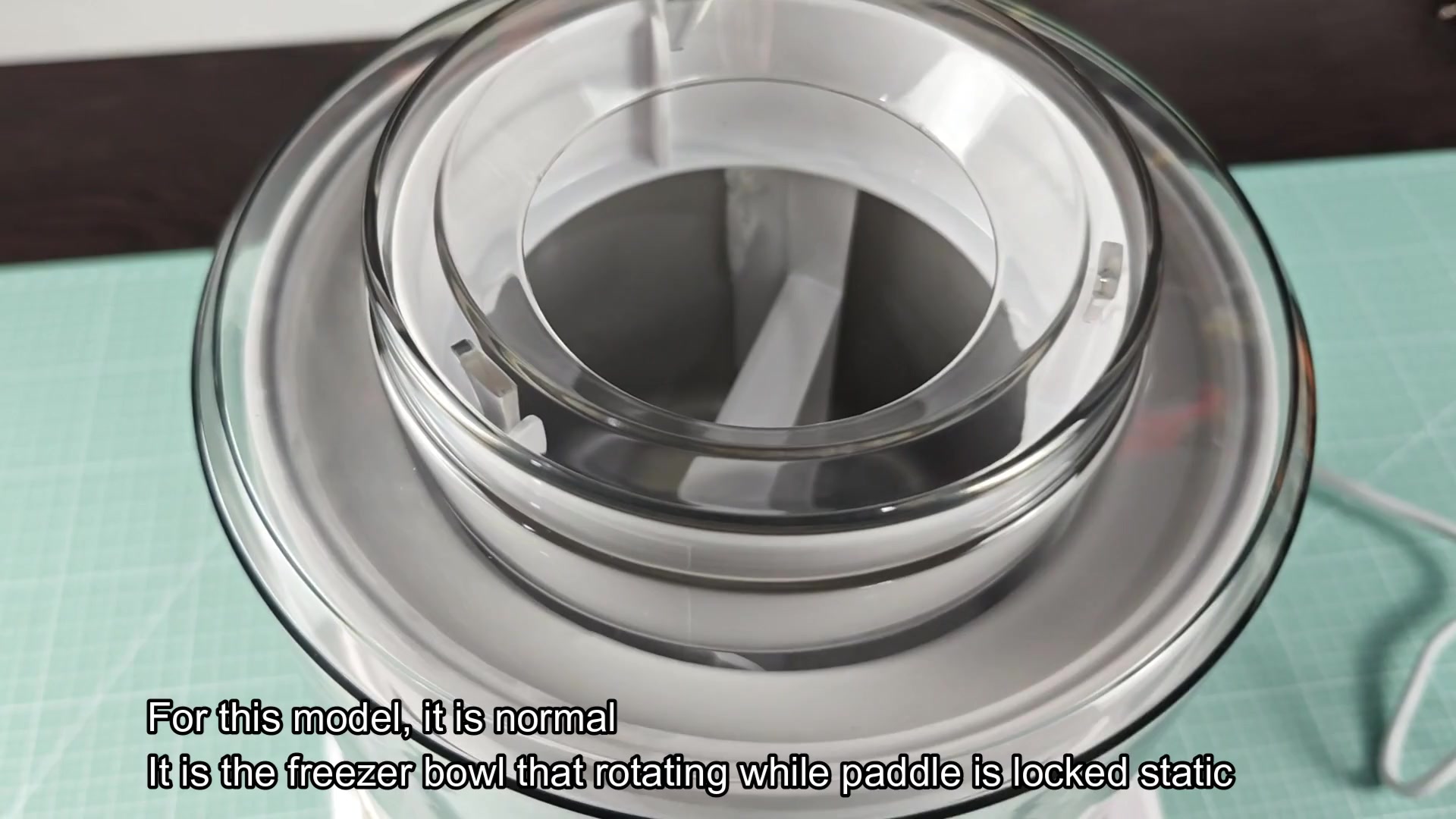
To be sure your drive mechanism isn’t loose, remove the white part in middle (the coupler) and rotate it manually to see whether it spins freely. This will tell you if the coupler is stripped or otherwise stuck.
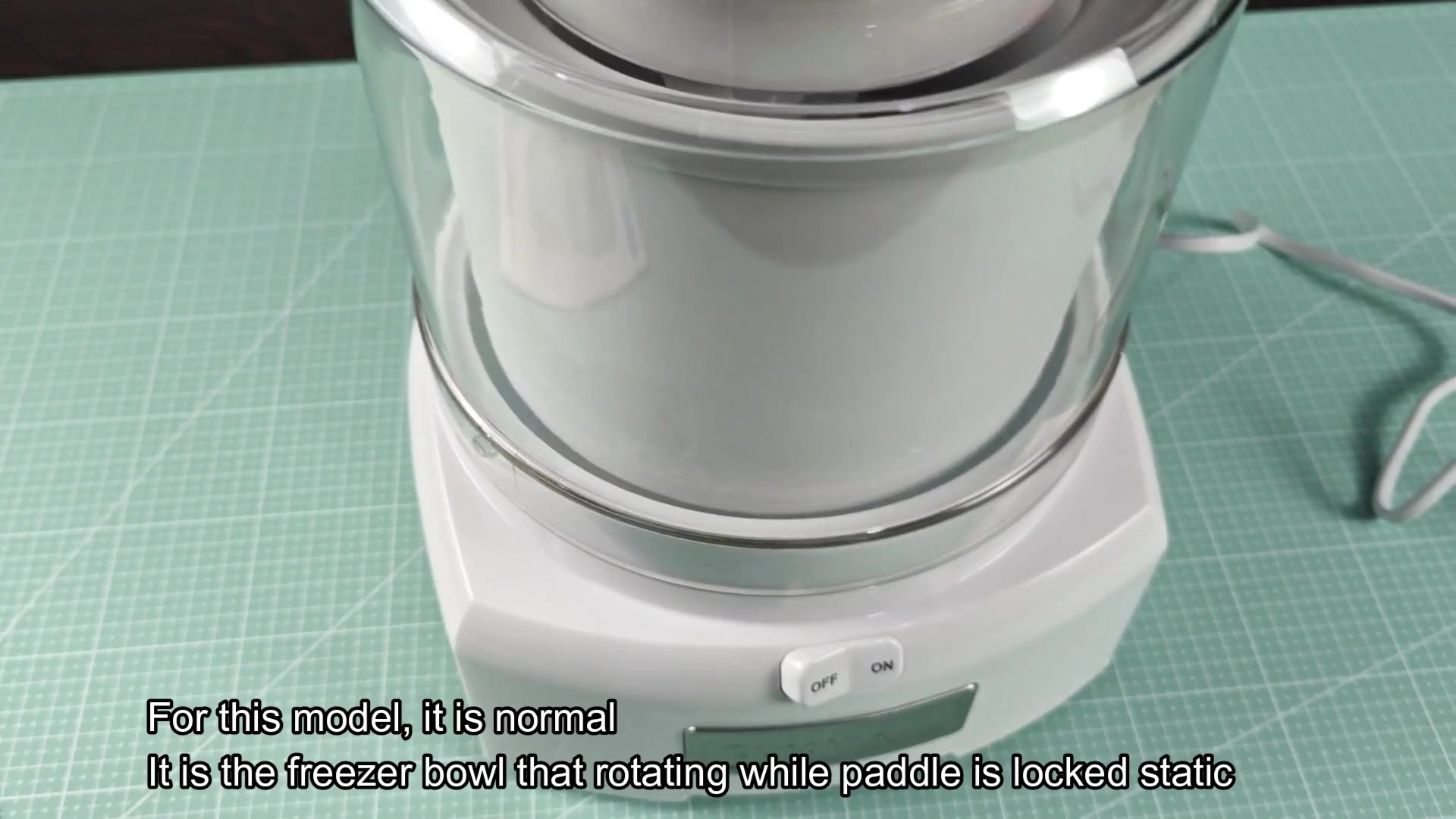
For me, it rotated freely but required a good push to grab hold of itself. Once the top piece were screwed down it did the trick. The motor engages a drive track. So you want to make sure all parts are snapped into place where they need to be. If the bowl is not aligned proper, it won’t connect.
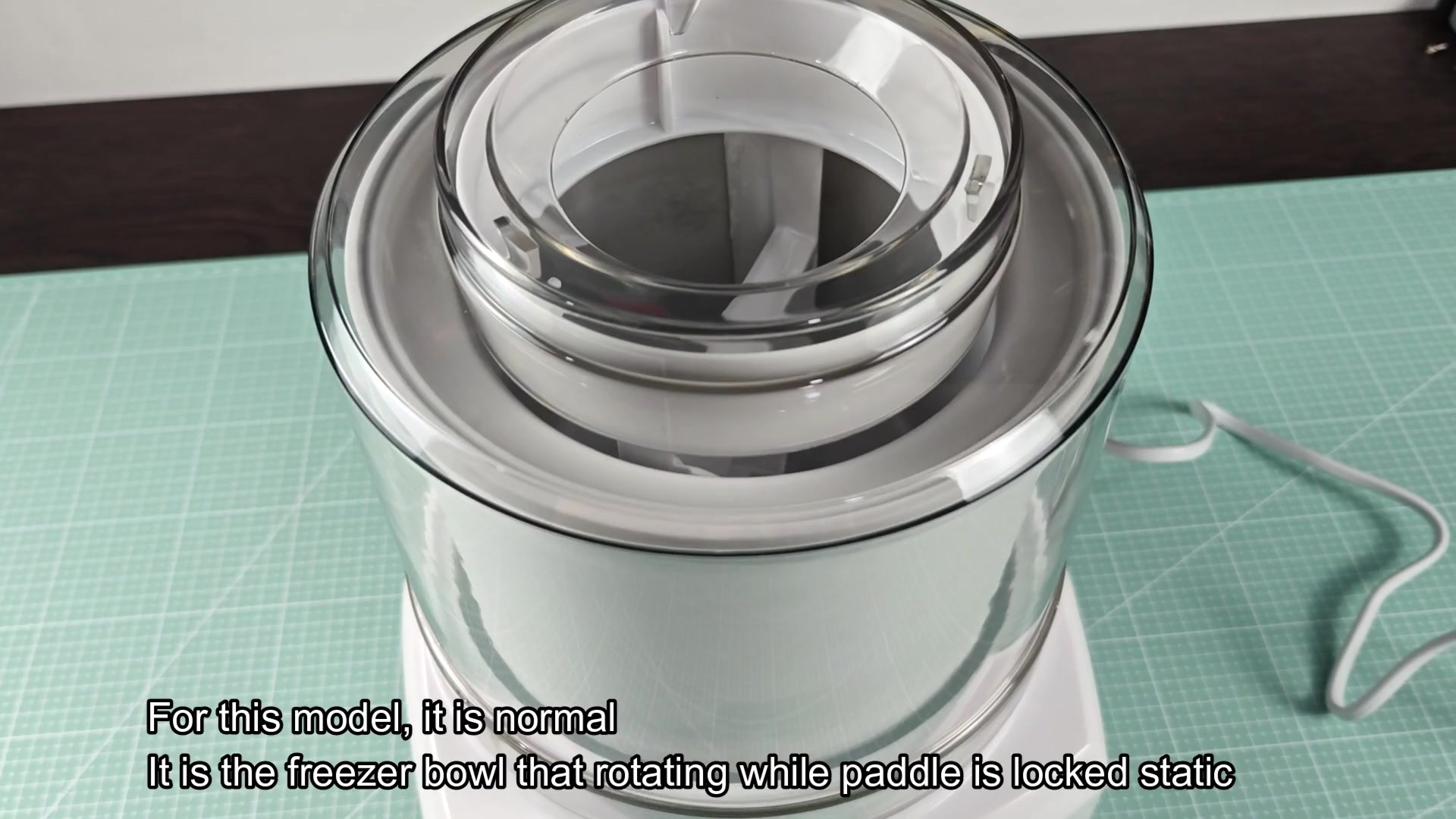
I fiddled with center drive coupler to get it snug feeling like it would work. Then put the clear outer bowl/lid on top. After getting everything back together we had no funny sounds or anything and it just looked ready to go.
That’s what happens when ice cream won’t freeze. This is a fairly common occurrence. Nearly all the time, the problem come from temperature.
In my case: I didn’t let my freezer bowl get properly cold (it has to be in there for a minimum of 12 hours at -18 degrees Celsius), and therefore the ice cream simply would not freeze. Classic mistake. The freezer was set on warm, not cold enough for operation. You must have a solid frozen bowl before beginning machine. If you place it in refrigerator by accident, it will never work because the metal sides need to be rock hard. It won’t operate and you’ll never know why.
Next time, I waited the entire time required. Worked great. I know, sometimes you’re in the mood for dessert and the thing won’t turn on.
The first suspect is a power issue. You can have a bad switch that cuts the power off entirely. The fuse can blow. Or perhaps the motor itself isn’t the problem; it’s just getting no signal.
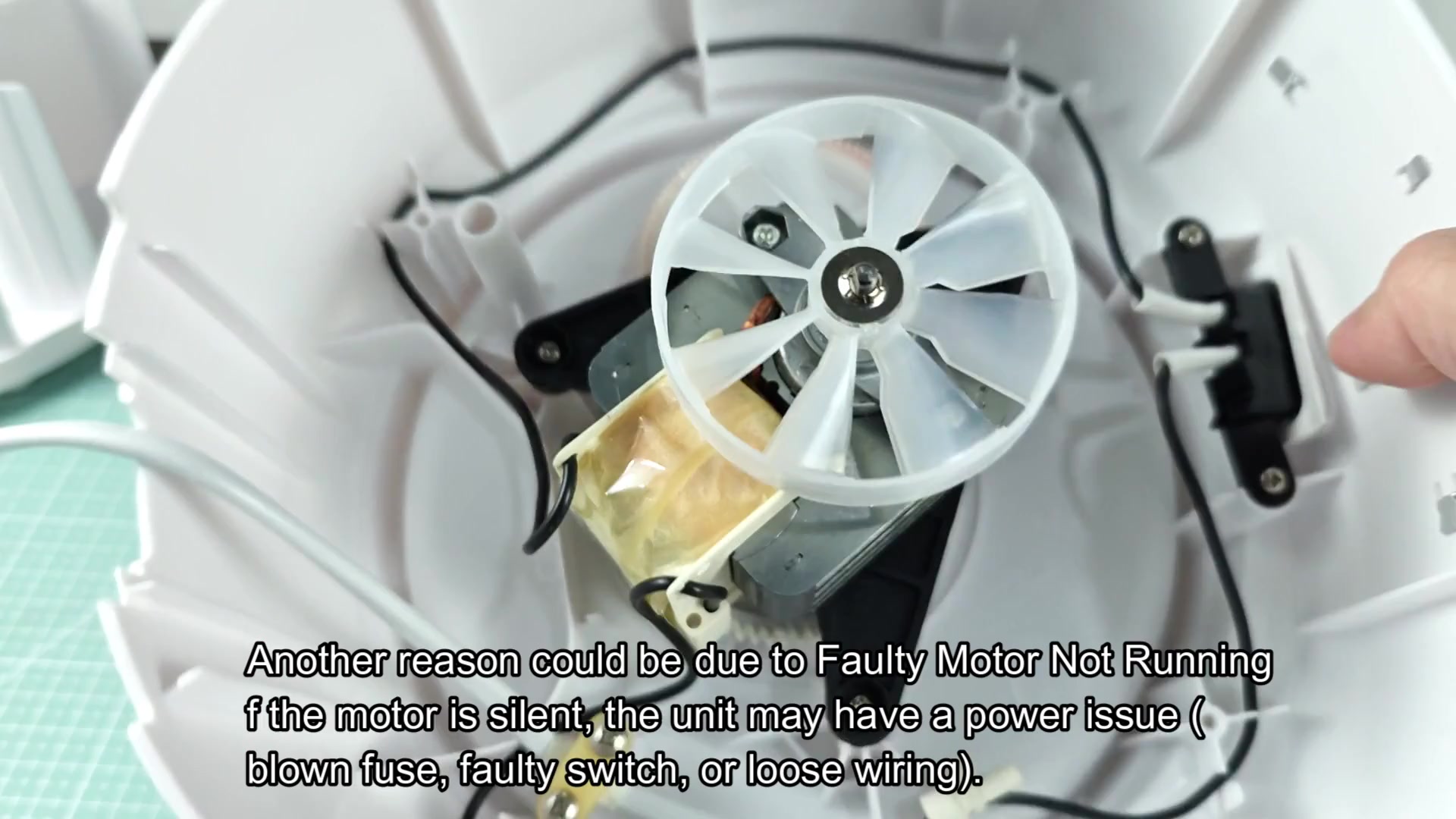
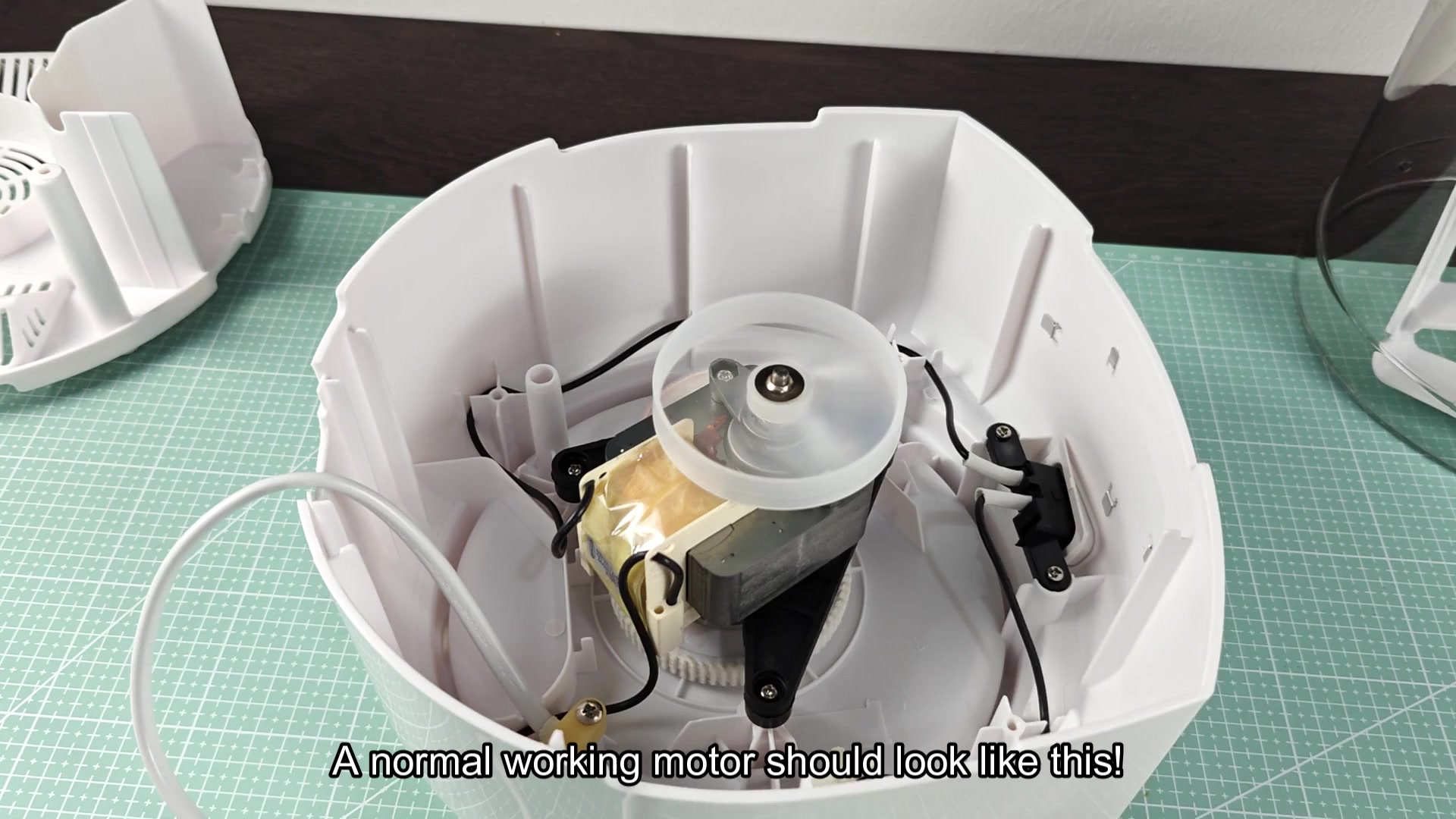
Time to do a bit of detective work with a few simple tools to check out the electric stuff. The motor assembly sits with its translucent fan, and that is all inside this housing. You can open it up and take a look inside.
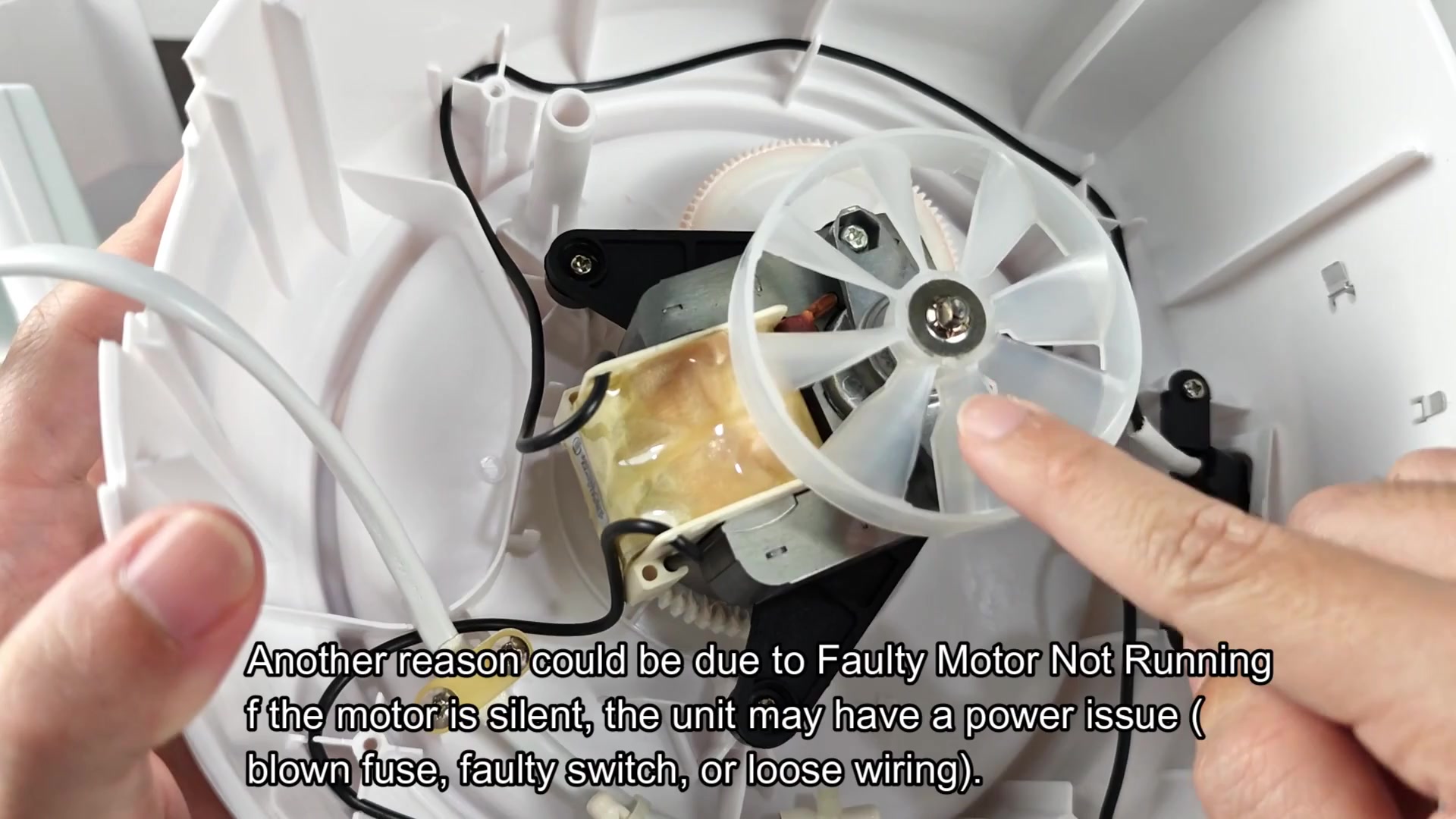
Wiring issues or loose connections can cause silence where there should be noise and prevent unit from starting. The switch area was on the side and has been beaten up over the years so I examined it carefully. That’s what did it, no power. The impeller should spin if there is any flow of current through it and otherwise looks active within a normaly working motor.
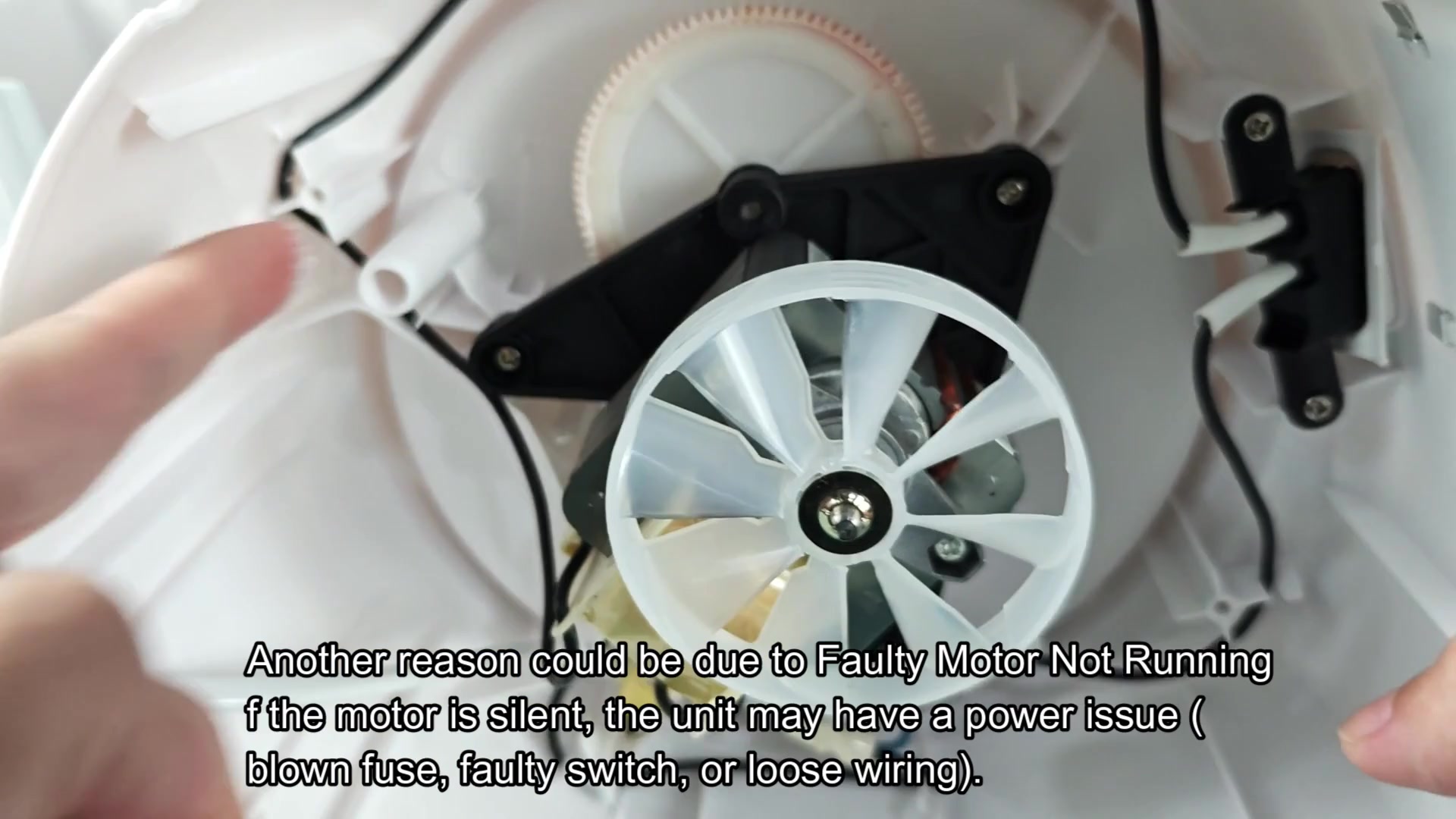
If you hear nothing, check for a blown fuse first by using a multimeter to test continuity. Check continuity but be aware this can be more critical on certain fuse types (particularly in the UK). The fuse had blew, so I replaced it and the unit is working again. Tools are needed to disassemble the base (one screw on bottom has a “U”-shaped driver; standard bits for remaining three). Having all appropriate tools prepped will keep you from stripping head screws out.
Careful disassembly avoids broken plastic clips, and patience pay off with this step.
our cuisinart ice cream machine, seems the dasher is to high and hits the lid. will get all messed up. what is the problem? this machine has a timer and was expensive. we are very careful.