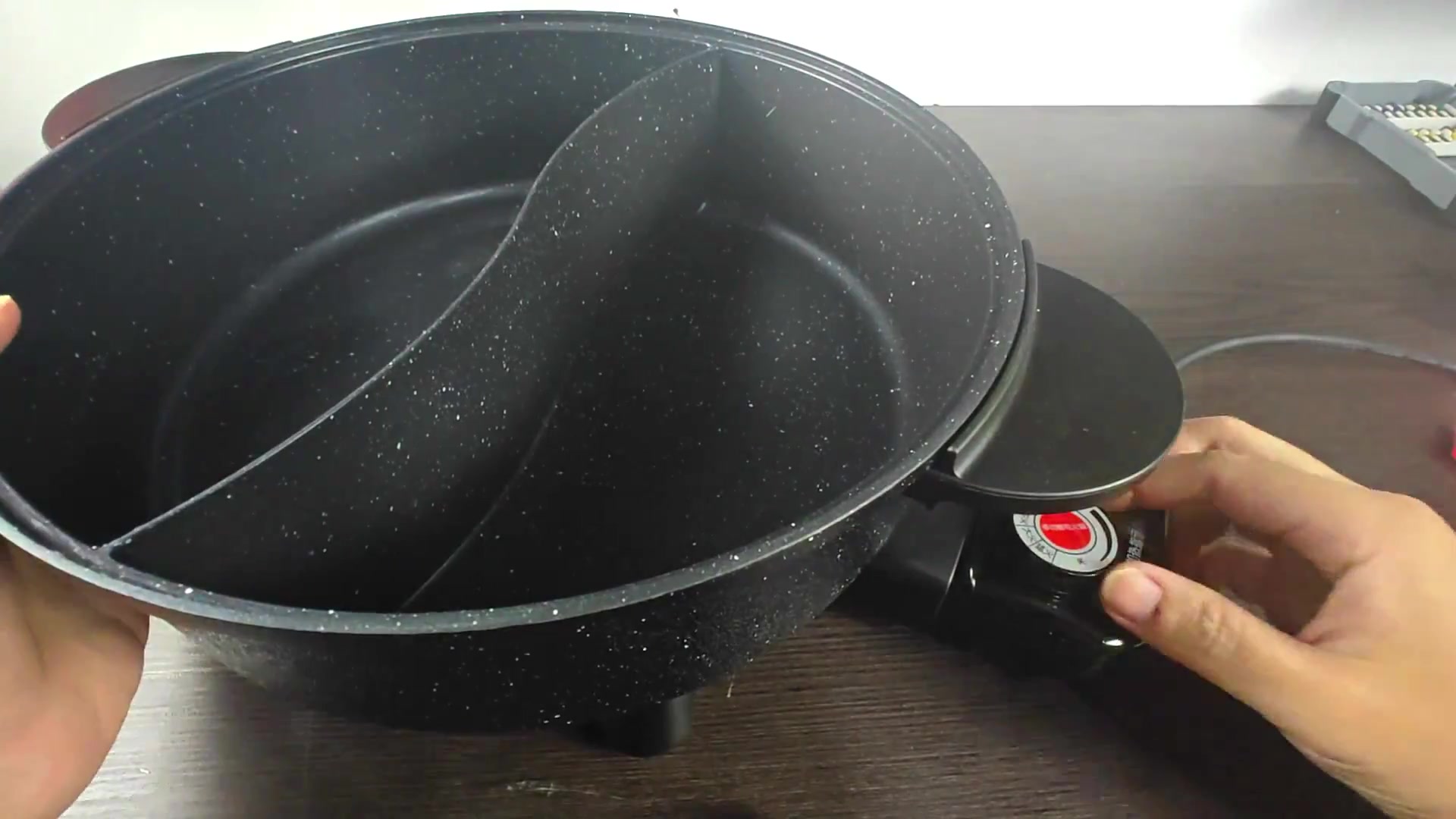
Then there are those mornings where a steamboat cooker may fail to turn on. It’s not like it was unplugged or anything: it’s fully plugged into an outlet that functions normaly with other appliances. At this point it doesn’t make any sense.
The heating base might appear burnt out. Why would I want to spend money on a new pot? Experience tell you that most of these things die via the controller, not the bottom.
Diagnosing The Fuse Failure
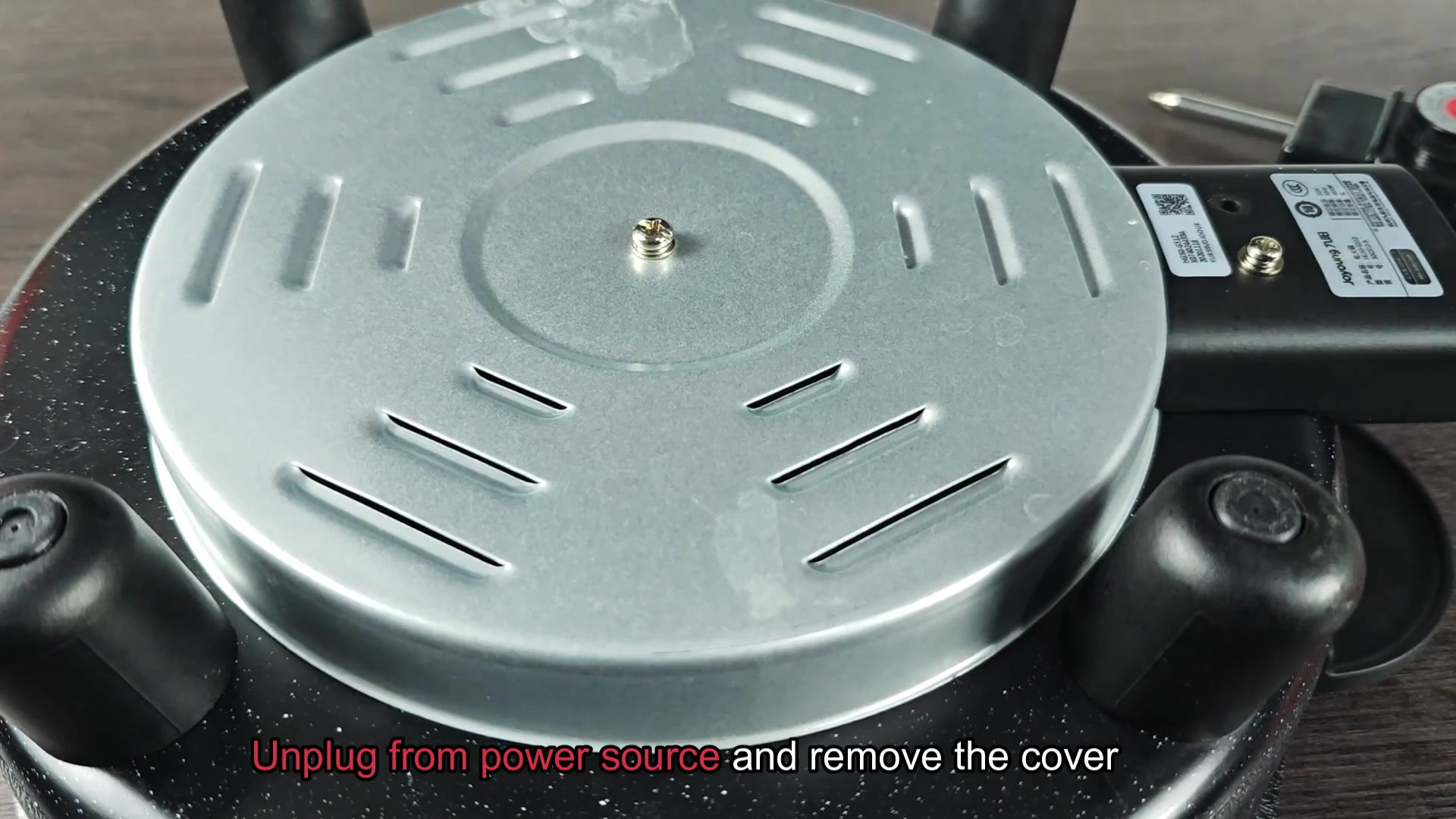
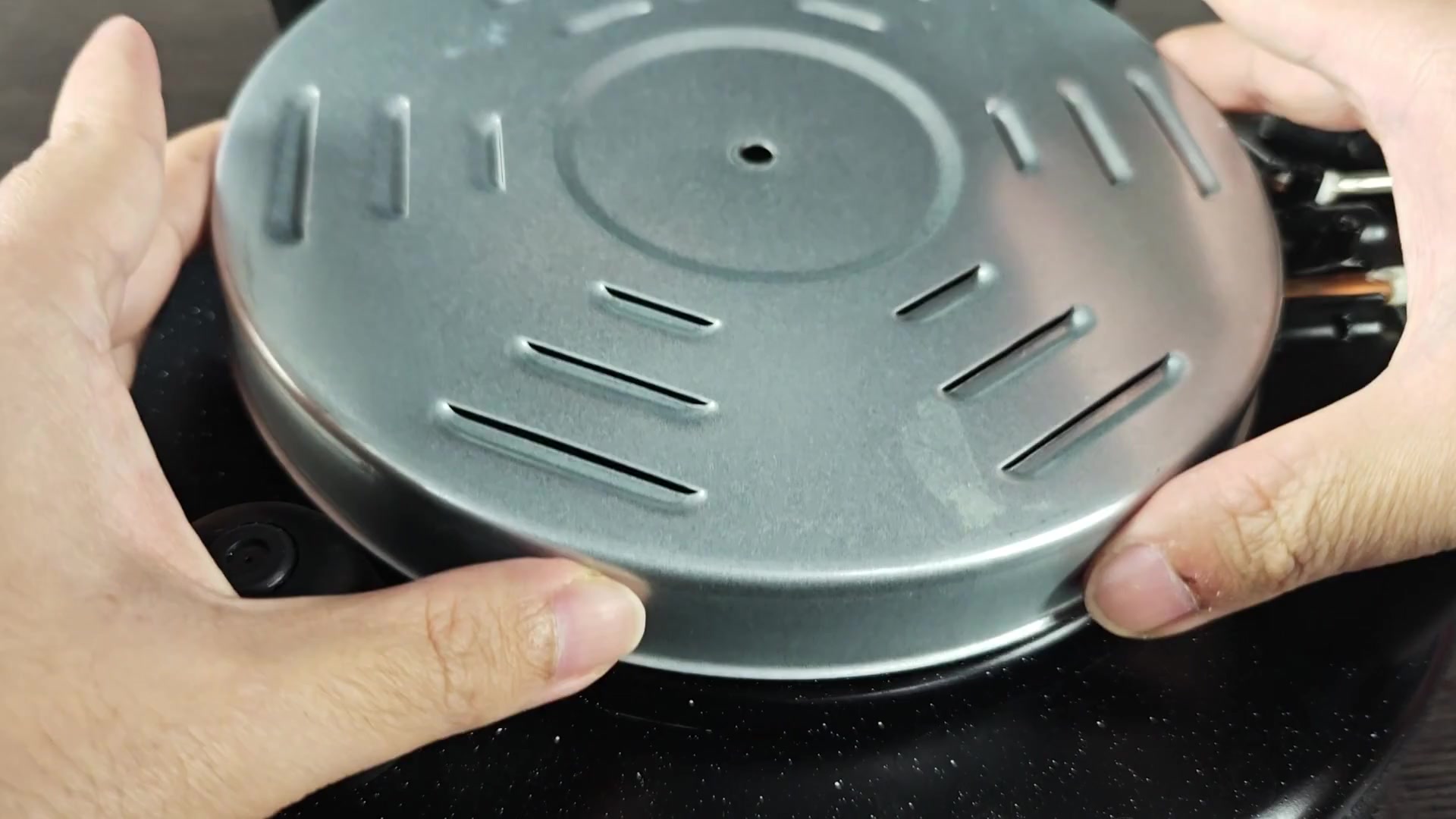
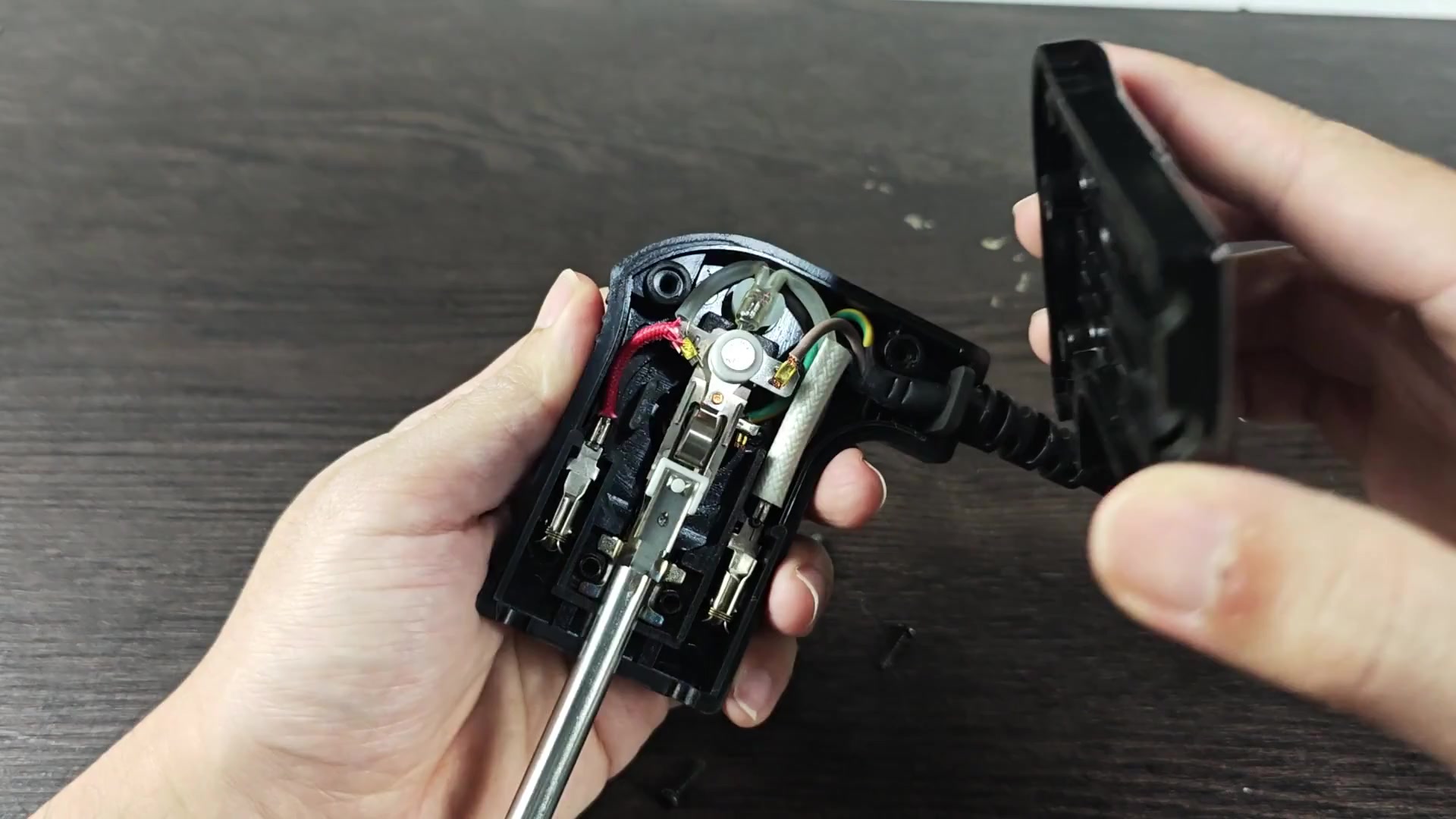
Before you junk it, though, take a good look at the hardware. The best starting point is underside of the appliance. Unhook the vented cover plate and give it a twist… Out it comes! Underneath it all is a central screw post that holds it in place. Twist that out and you’ll see the guts inside.
But it’s actualy fairly empty on the inside. It has no more than a black base with heating element attached, which is simply coiled in a spiral like so. There are no complex circuit boards or wiring hidden below. The warmth of the broth comes from coil alone.
So you’re right when you suspected that the heating element might be fine. If it had been busted, you’d notice some damage there. But instead it all appears as new.
Now you have to do the actual work in the temperature control unit. That’s a box that attaches to side with the dial. Open up the housing and there are the inner workings. Inside are a bunch of red, white and green wires connected to different terminals. There is an assembly that hold everything together electrically and it’s made of metal. It looks like they used a standard low-voltage circuit.
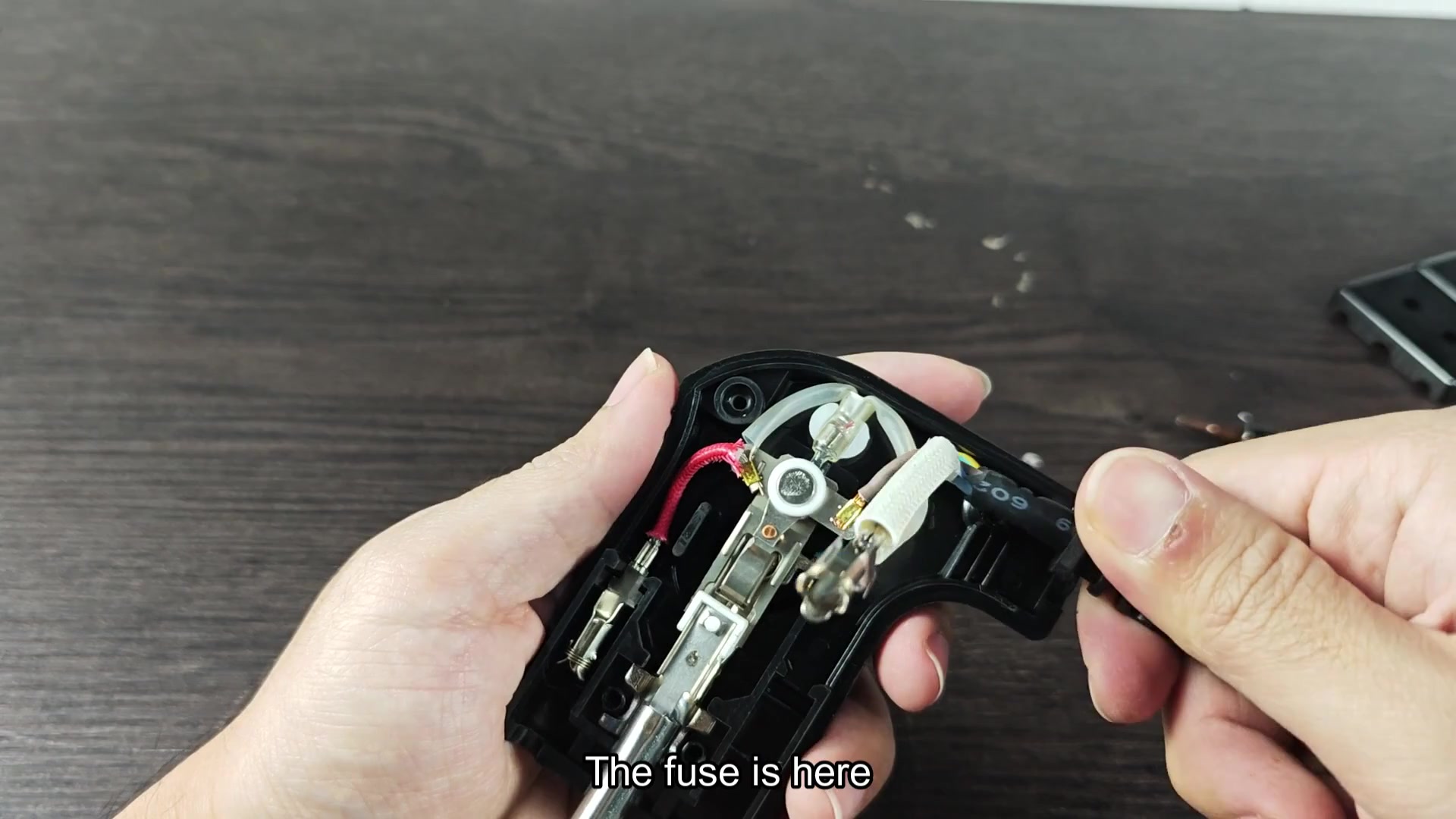
Inside, you’ll survey the usual suspects. Electric cookers typically has an overheat protection safety fuse. The fuse is right by the wiring harness.
If you’re not really paying attention, it’s easy to overlook since it’s a tiny piece of glass tubing. This provide power to the control system. If this goes out, nothing happen.
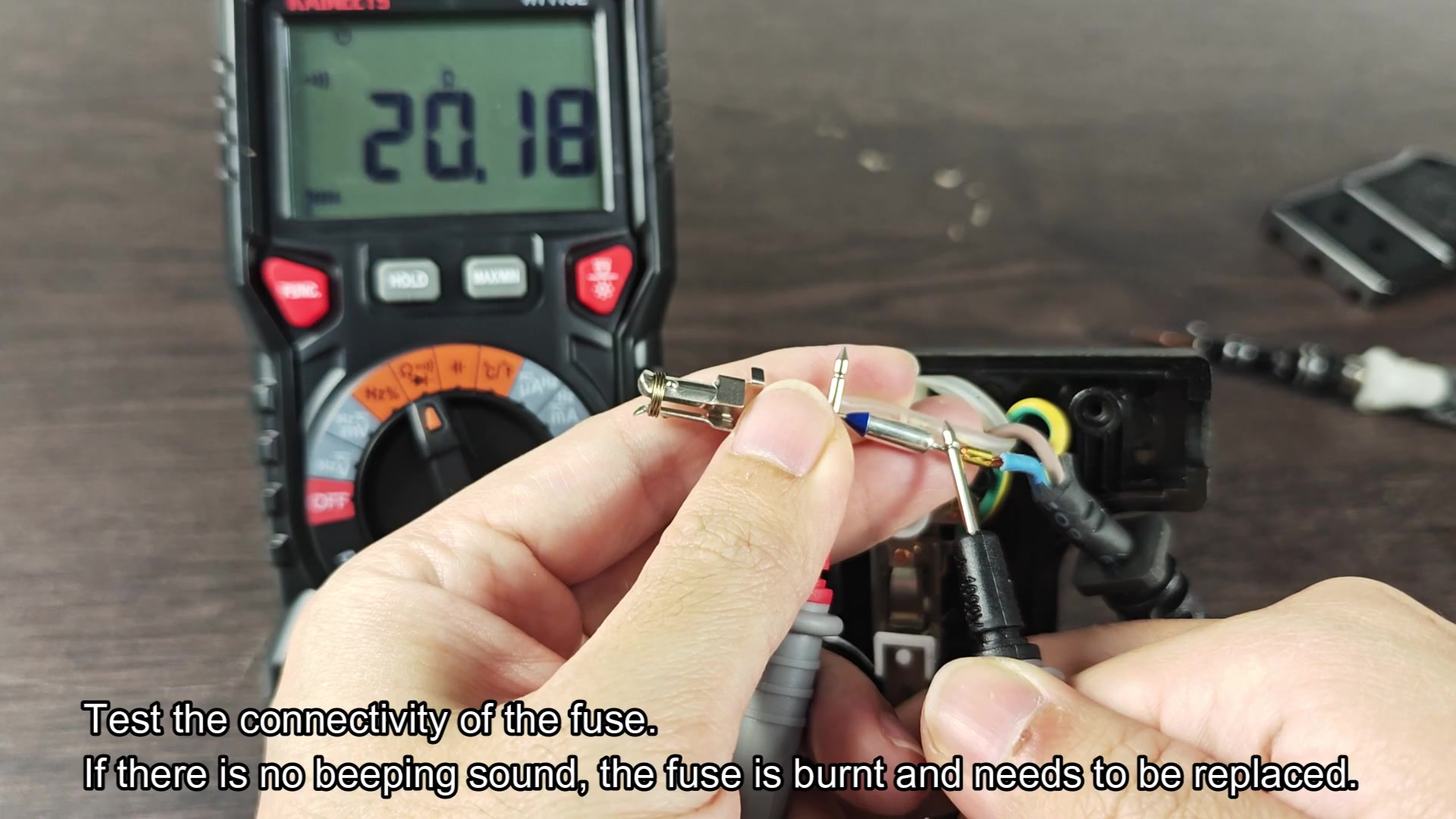
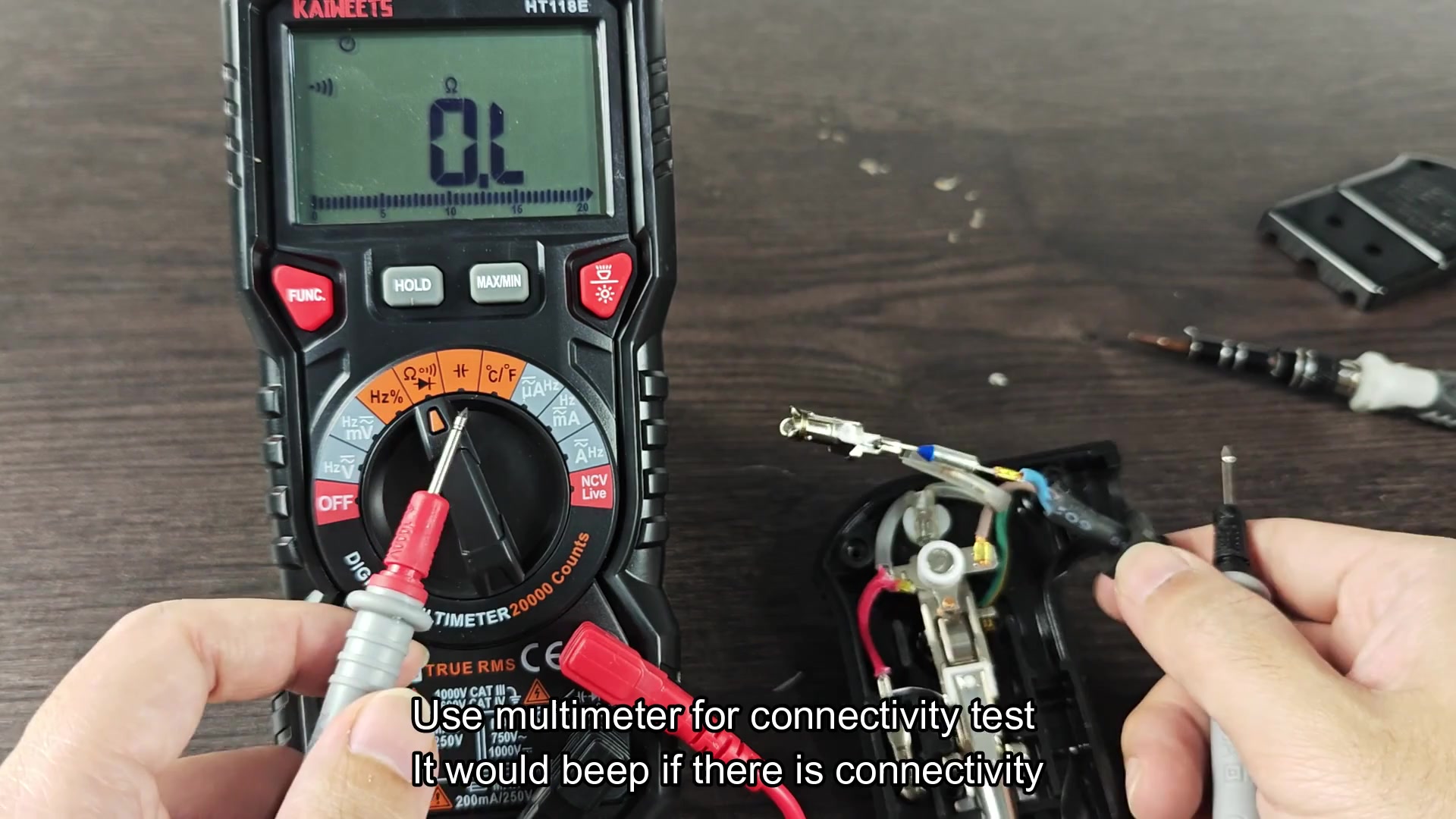
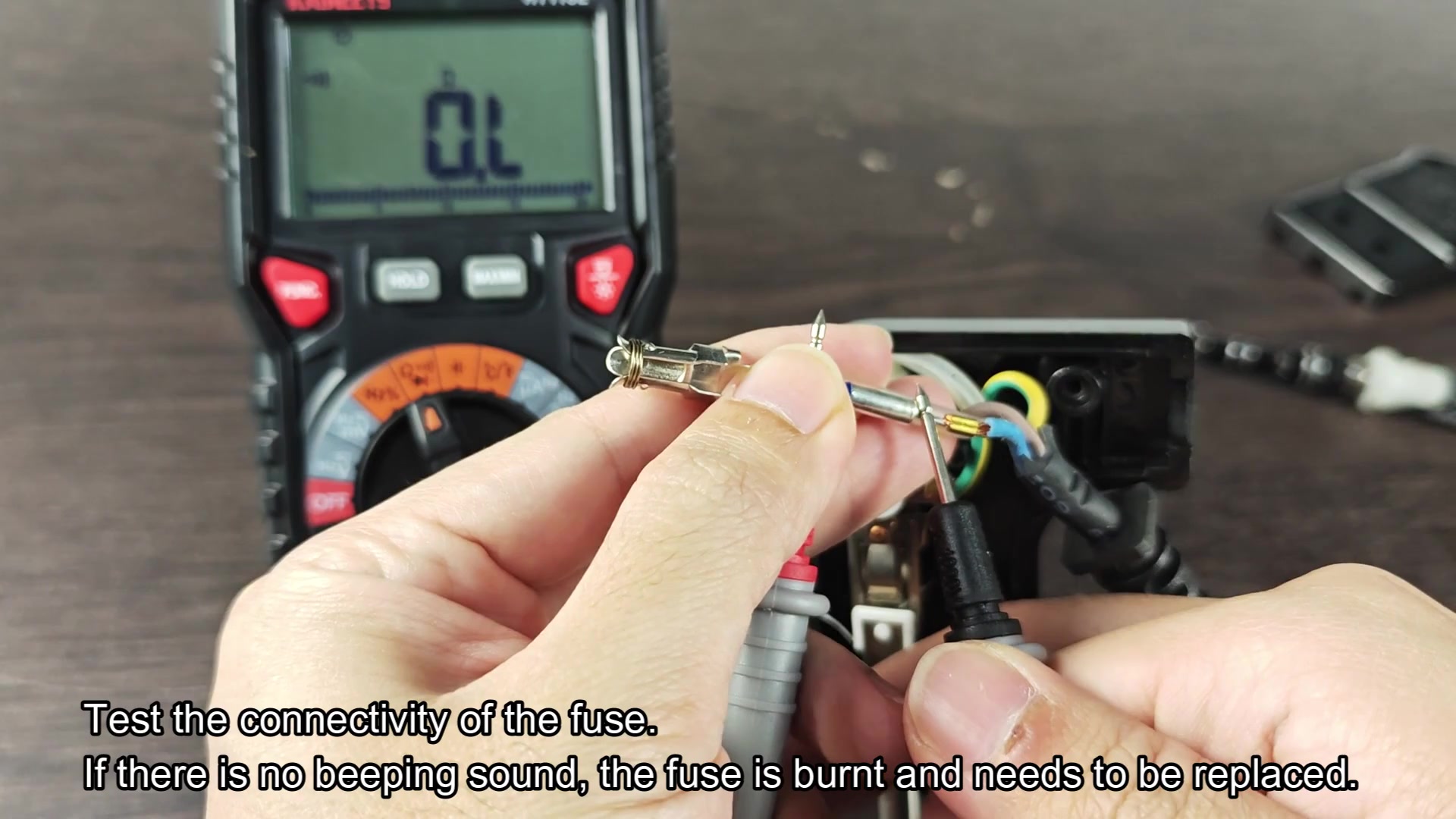
Reaching for your multimeter, you check to see if the fuse has blown. Set on continuity mode, you test the fuse. If it beeps, then there is a continuous circuit. It’s fast and easy, you are ready to test the connection between two ends of the fuse.
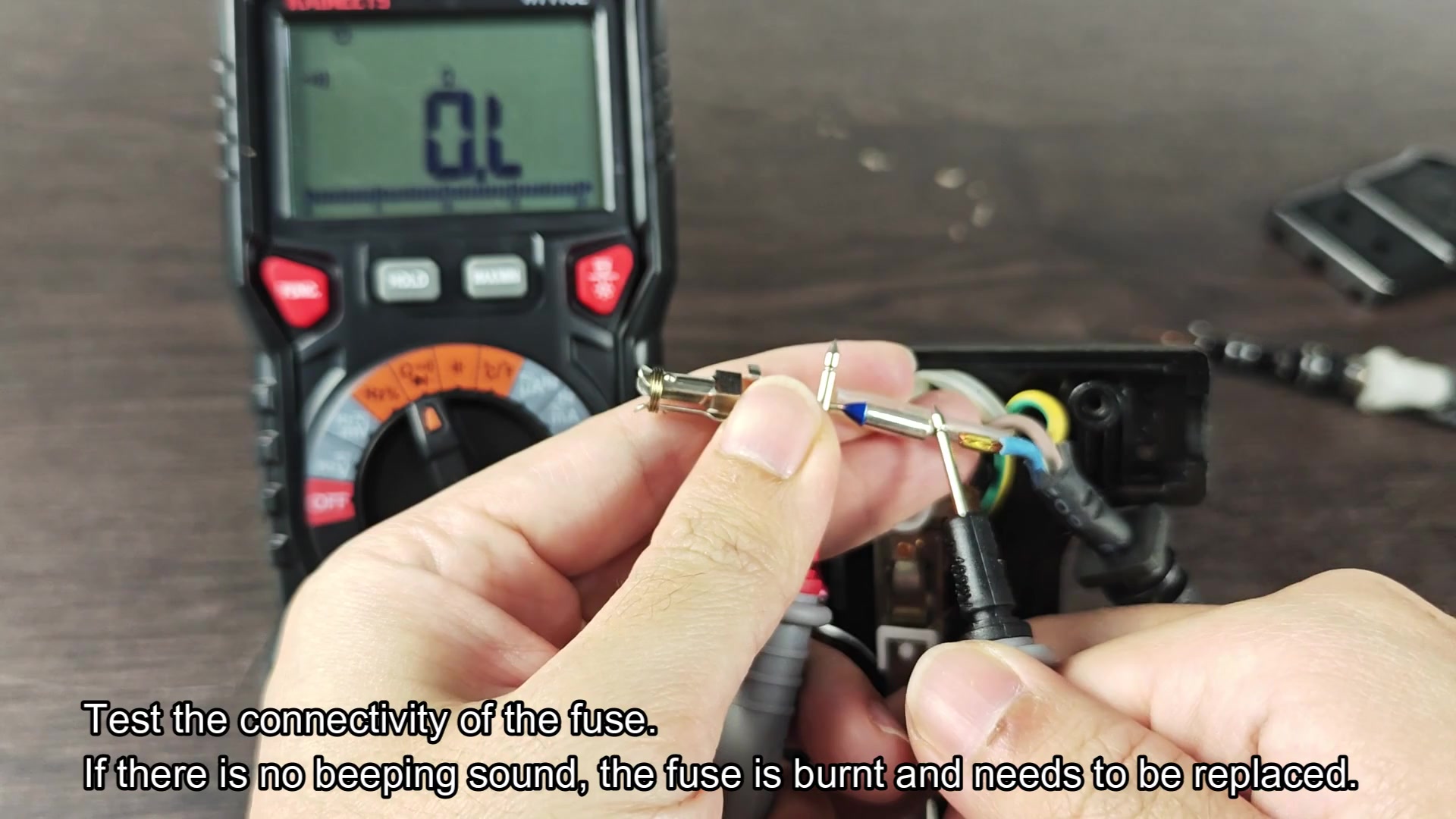
The probes touch either side of the fuse holder. The multimeter screen reads “O.L”. O.L stands for open line. There is no continuity, you don’t hear a beep from it at all.
And that shows the problem clearly. The path has been broken.
So you check the connections, just in case. Sometimes a bad contact or static will cause it to read incorrectly. You press the probes onto the contacts firmly. There’s still nothing and the reading hasn’t changed.
Obviously, the filament inside has blown out. More so then most would think. Then you notice that there’s no sound. The diagnosis is immediate. It’s as simple as a blown fuse versus having to replace an entire unit.
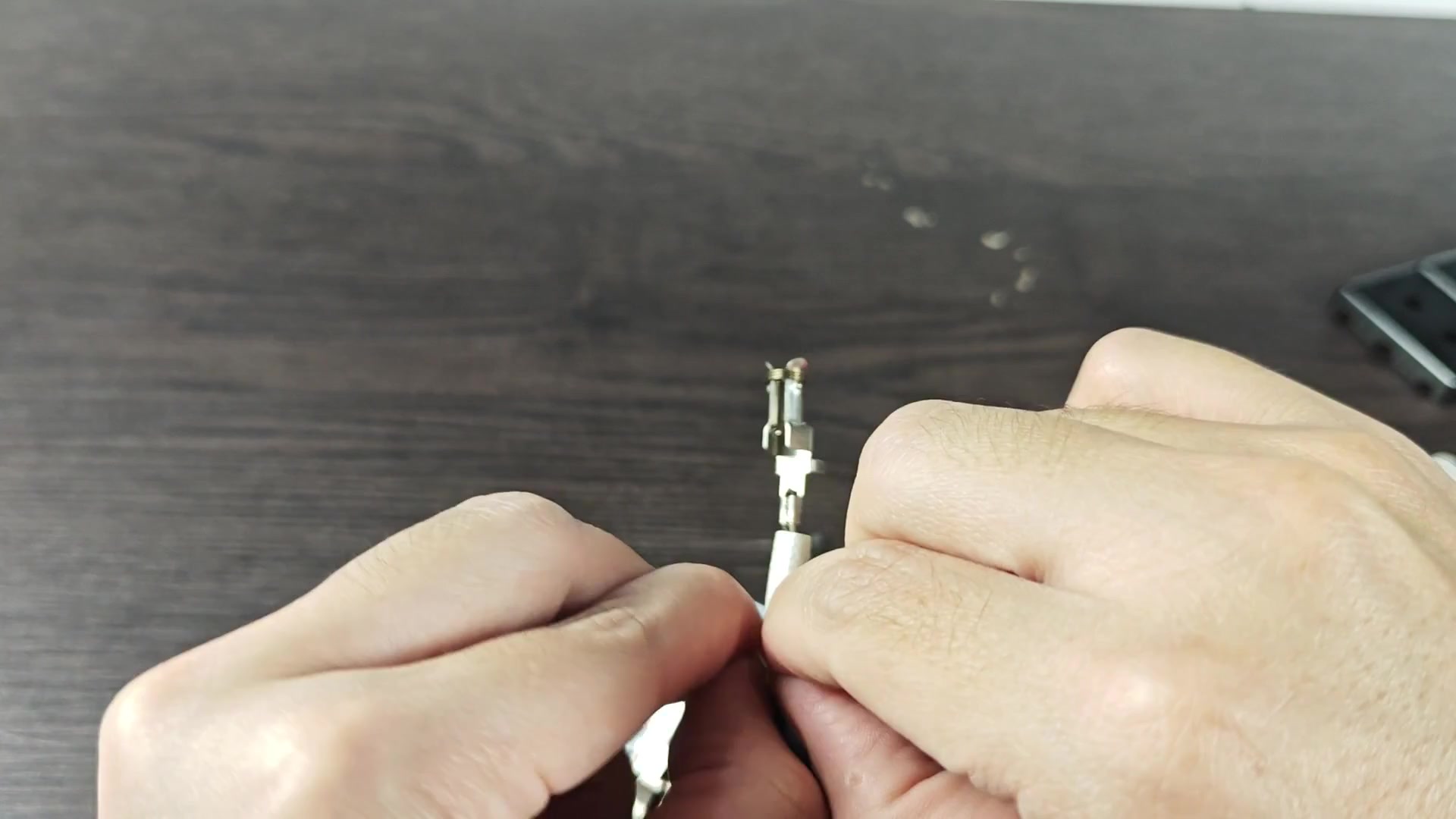
You don’t have to worry about your heating base anymore. This little piece is all that’s at issue here. Replace and let it work again, right?
Pull out the old fuse and get your new one ready. Once you find the part, it’s a simple replacement. There is no tricky calibration to do. Simply replace the busted glass tube with another of the same type. Carefully put the controller housing back together.
When the new fuse is in there, the thing shuts closed again. Plug it back in. Turn the dial. The Steamboat Cooker spring to life. It happens right away, it happens immediately. Starts heating up like it should of done all along.
This, let’s be honest, helps a lot. Time to dig in without having to wait for an appliance replacement.